New Zealand sanctions Russia over child abductions and cyberattacks

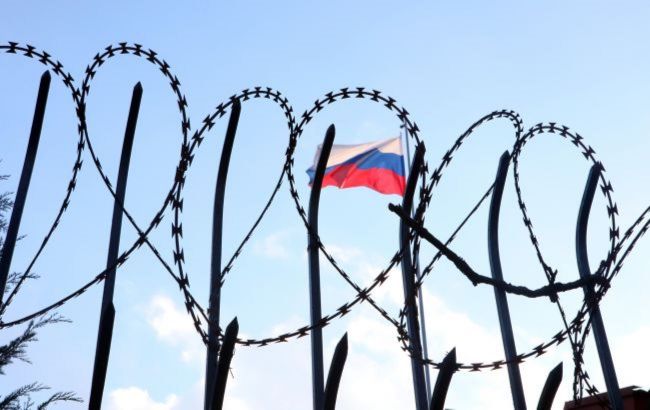 New Zealand imposes 36th round of sanctions on Russia (photo: Getty Images)
New Zealand imposes fresh sanctions on supporters of Russia's war, with 33 individuals and entities targeted, according to the country's government website.
Targets of sanctions
New Zealand Foreign Minister Winston Peters announced the new sanctions package. The restrictions target 33 individuals and entities.
A particular focus was placed on cybercriminals, as well as those involved in the forced relocation, abduction and "re-education" of Ukrainian children.
"Children should never be used as instruments of war. New Zealand remains deeply concerned by efforts to abduct and re-educate Ukrainian children through coercive state-directed programmes," Minister Peters said.
Cyber threats, propaganda
The package also includes sanctions against malicious cyber actors and those who support the creation and dissemination of anti-Ukrainian propaganda aimed at legitimizing Russia's war.
"Activities conducted behind a keyboard can have real consequences. Cyber actors are increasingly being used to gather intelligence, enable sanctions evasion, and disrupt those who oppose Russia's aggression. New Zealand stands with our partners in calling out Moscow's use of these actors," the minister said.
Who else is on list
The sanctions also target individuals and entities contributing to Russia's military-industrial complex, Russian political figures, as well as entities from North Korea and Iran that support Moscow's invasion.
Overall, since the Russia Sanctions Act came into force in March 2022, New Zealand has imposed restrictions on more than 2,000 individuals, entities and vessels. The latest package marks the country's 36th round of sanctions against Russia.
Notable that the forced deportation of Ukrainian children to Russia remains one of the most pressing issues.
In 2023, the International Criminal Court in The Hague issued arrest warrants for Russian President Vladimir Putin and Russia's commissioner for children's rights, Maria Lvova-Belova, over the unlawful deportation of children from occupied territories.