Melting crystallized honey safely – Beekeepers' recommendations

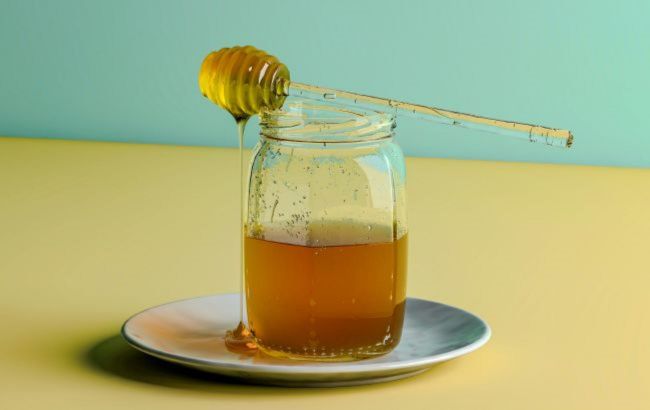 Photo: How to melt crystallized honey safely and preserve its quality (Unsplash)
Crystallized honey can be returned to a liquid state in a matter of minutes if the correct technique recommended by experienced beekeepers is followed, Chatelaine reports.
Why honey becomes solid
Crystallization is a natural state of the sugars contained in honey. This process affects every jar in every kitchen or pantry, sooner or later.
Such honey remains safe, aromatic, and tasty. It simply becomes inconvenient to use—it is difficult to spread on toast or dissolve in tea.
However, there is a fairly simple way to return honey to a liquid state. The key is to act carefully.
How to decrystallize honey
The classic and best method is gentle heating in a water bath. This is exactly what beekeepers recommend, while following the correct procedure:
Remove the lid from the jar of honey and place the jar in a pot of water.
Heat the water slowly on the stove. It is important that the water does not boil. Excessive heat will instantly destroy the product's delicate aroma and flavor. Ideally, the water temperature should be kept between 95–113°F.
After about 15 minutes, begin stirring the honey periodically. Remove the jar only when all crystals have completely dissolved.
Remove the jar only once all crystals have dissolved. If even a small portion remains, the honey will crystallize again very quickly after cooling.
How not to decrystallize honey
You can use a microwave if you are in a hurry. However, this is the least reliable and least useful method.
According to the Food Chemistry, microwave processing significantly alters the chemical and biological composition of honey.
This significantly reduces the activity of enzymes such as glucose oxidase and completely destroys antibacterial activity, a key property of natural honey.
In addition, the scientific journal Molecules reports that microwave processing results in a rapid increase in hydroxymethylfurfural (HMF)—a compound formed during heat treatment that indicates the degradation of sugars and enzymes. High HMF levels signal a decline in honey's nutritional quality and are a marker of overheating.
How to slow down honey crystallization
Honey typically crystallizes at 41–77°F. The temperature at which crystallization occurs most rapidly is 57°F.
If you want honey to remain liquid for as long as possible, follow these tips:
- Airtight storage. Contact with air and moisture accelerates solidification. Always close the lid tightly and use only a perfectly clean, dry spoon.
- Glass containers. Glass is less porous than plastic and better protects the product. In addition, reheating honey in a glass is much safer.
- Cleanliness. Never put a spoon with breadcrumbs or other food residue into the jar, as foreign particles become centers around which sugar crystals quickly form.
Can honey be stored in the refrigerator or freezer?
If there is no dark pantry or cupboard and the kitchen is constantly exposed to sunlight, honey can be stored in the refrigerator or even in the freezer, but there are important nuances.
A refrigerator is suitable for storing honey if:
-
Room temperature often exceeds 77°F
-
There is no way to protect the product from light
-
Honey is stored in a tightly closed glass container.
The downside is that in cold conditions, honey crystallizes faster, becomes thicker, and is less convenient to use. However, its beneficial properties remain unaffected.
A freezer will also not harm honey. Due to its low water content, it:
-
Does not freeze completely
-
Does not spoil
-
Retains enzymes and antioxidants.
In short, if the choice is between a warm, bright shelf and a refrigerator, cold storage is safer.
This material is for informational purposes only and should not be used for medical diagnosis or self-treatment. Our goal is to provide readers with accurate information about symptoms, causes, and methods of detecting diseases. RBС-Ukraine is not responsible for any diagnoses that readers may make based on materials from the resource. We do not recommend self-treatment and advise consulting a doctor in case of any health concerns.