Long-term danger: How war is silently destroying Ukrainians’ health

 The state must introduce a nationwide systemic health support program (photo: Getty Images)
Chronic stress, insomnia, and constant anxiety have become new occupational risks for millions of Ukrainians. Without systematic state support, the incidence of chronic diseases could increase by 30% in the near future.
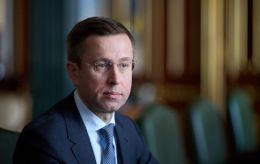
This was stated by Bohdan Bozhuk, Director General of the Kundiiev Institute of Occupational Health.
Key points:
- Long-term consequences: the mental impact of the war will be long-lasting — similar to the experience of the Chornobyl disaster — affected people may experience consequences for decades.
- Risk to the economy: without the implementation of large-scale rehabilitation programs, the incidence of chronic diseases may increase by 20–30%, threatening premature aging and the loss of the country’s labor potential.
- Large-scale crisis: around 10 million Ukrainians need assistance due to deteriorating mental health, and up to 80% of medical workers in frontline areas show signs of professional burnout.
- Sleep deficit: due to chronic stress and constant anxiety, Ukrainians are now sleeping on average 40 minutes less, which provokes worsening of cardiovascular and endocrine diseases.
The price of war: what has changed in health conditions
Since the start of the full-scale invasion, traditional health risk factors for Ukrainians have been supplemented by forced displacement, air raid alerts, and instability in the energy system.
“Our research shows that Ukrainians now sleep on average 40 minutes less. Add economic uncertainty, and the result is constant psycho-emotional strain, increased anxiety, and chronic emotional fatigue,” Bohdan Bozhuk says.
According to the specialist, this is already leading to worsening cardiovascular, endocrine diseases, and digestive problems.
Mental health: 10 million people at risk
The biggest impact is on mental health. Since the start of the full-scale invasion, the number of cases with symptoms of mental disorders (including PTSD) has increased 3–5 times.
The situation is critical among those who work daily with the consequences of the war. About 80% of medical personnel in frontline regions show signs of professional burnout.
Overall, according to the expert, around 10 million Ukrainians need assistance due to deteriorating mental health.
This material is for informational purposes only and should not be used for medical diagnosis or self-treatment. Our goal is to provide readers with accurate information about symptoms, causes, and methods of detecting diseases. RBС-Ukraine is not responsible for any diagnoses that readers may make based on materials from the resource. We do not recommend self-treatment and advise consulting a doctor in case of any health concerns.