Lithuania tightens controls on grain transit from Russia and Belarus — Reuters

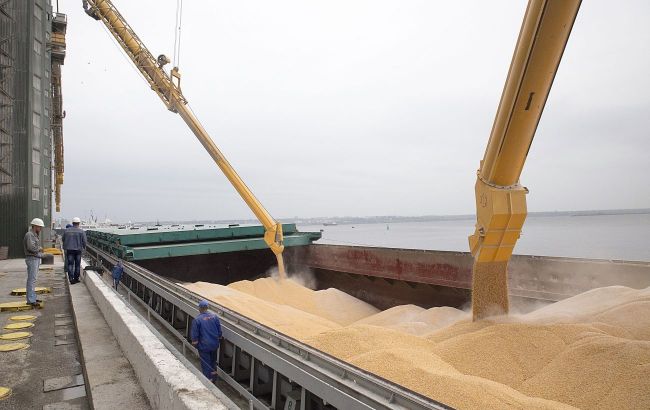 Photo: Inspections can take two months or more (Getty Images)
Lithuania will require that grain from Russia and Belarus transported through the Port of Klaipeda be held until tests confirming its origin are completed. The new measure could delay exports by several months, according to Reuters.
In September, the country had already begun inspecting grain shipments from Russia and Belarus, stating that it suspected some of it was coming from the temporarily occupied territories of Ukraine.
Against this backdrop, starting next week, wheat, barley, sunflower seeds, and corn destined for export from Russia and Belarus via the Baltic seaport of Klaipeda will not pass through customs until the test results are received.
“The inspections could take two months or longer. If the declared origin turns out to be false, the shipment will have to be returned or destroyed,” said a representative of the Lithuanian Ministry of Agriculture.
He explained that since Lithuania does not have a laboratory capable of conducting the necessary tests, having them done abroad takes time. All costs associated with the storage, inspection, return, or destruction of the grain will be borne by the exporters.
Reuters noted that although EU sanctions prohibit the import of Russian grain, transit through the bloc’s territory remains permitted.
Moscow, for its part, has not commented on the status of grain harvested from the occupied territories of Ukraine.
The agency emphasized that the Baltic states are seeking to halt the transit of grain from Russia and Belarus through their ports after Moscow began using Baltic routes more frequently in response to Ukraine’s attacks on ships and infrastructure leading to Black Sea ports.
Matt Ammermann, a commodity risk manager at StoneX, noted that Russian wheat exports are roughly half their usual volume, despite attempts to find alternative export routes.
What else important to know
In October, media reports indicated that Russia was seeking to retain key grain buyers in the Middle East and Asia. In this regard, Moscow utilized the Arctic sea route, which dates back to World War II, for the first time.
In July, Russia allowed grain ships to leave the ports of the Sea of Azov for the first time. This paved the way for the resumption of food exports.