Life in Alaska at -22°F: How residents survive, stay healthy, and recieve state payments

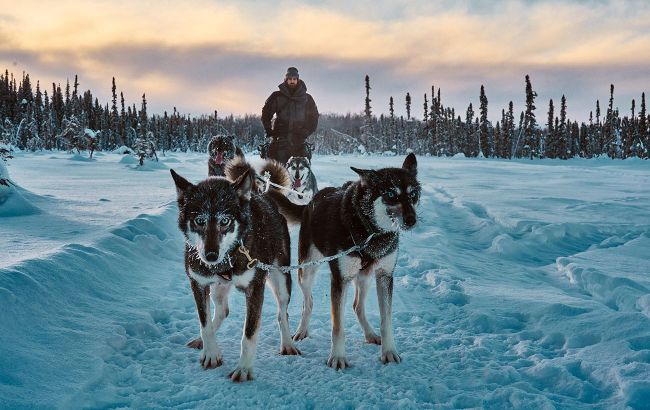 How people live in Alaska where it is always cold (photo: Getty Images)
Alaska is often described as the edge of the world. Freezing temperatures, darkness, and distances so vast you cannot reach your neighbors on foot. You might expect constant colds, exhaustion, and depression, but many people there seem tougher and calmer than residents of much warmer regions.
RBC-Ukraine explores the surprising rules of life in the north, where extreme cold is not just a short winter season but a way of life.
Cold does not control life
In Alaska, the cold is part of everyday life. It does not strike or catch anyone off guard. Locals do not dash outside for a few minutes without a hat or walk around in thin leggings for fashion.
Clothing in Alaska is not about style or mood but a crucial survival tool. Outfits are chosen carefully, layered, and include all necessary elements, even for a brief walk outdoors.
Do Alaskans really avoid getting sick?
People are biologically vulnerable to viruses everywhere, but the local immune system works efficiently. The secret is not special genes but a different lifestyle.
Despite polar nights and temperatures that can drop below -40°C (-40°F), locals are considered among the most resilient in the world. Several factors explain their durability:
Natural sterility
At extreme temperatures, most airborne bacteria and viruses die. The air in Alaska is so clean it is often called crystal clear.
Dust and urban allergens are minimal, making Alaska ideal for asthmatics and allergy sufferers.
High vitamin D intake
Due to the lack of sunlight in winter, residents eat large amounts of seafood and fatty fish rich in omega-3 and vitamin D, keeping their immune systems strong.
Resilient mindset
Complaining about the cold is uncommon. People understand that being cold is a personal responsibility rather than a result of the weather. Avoiding stress over minor issues also helps the body fight illnesses.
Colds and flu do happen, but Alaskans are more resistant to many diseases. Low population density slows the spread of viruses compared to big cities.
Practical approach to illness
No one tries to power through extreme cold or work while sick. Ignoring weakness today can mean being unable to go outside tomorrow, which is dangerous. At the first signs of illness, people rest, drink hot beverages, eat warm food, and sleep.
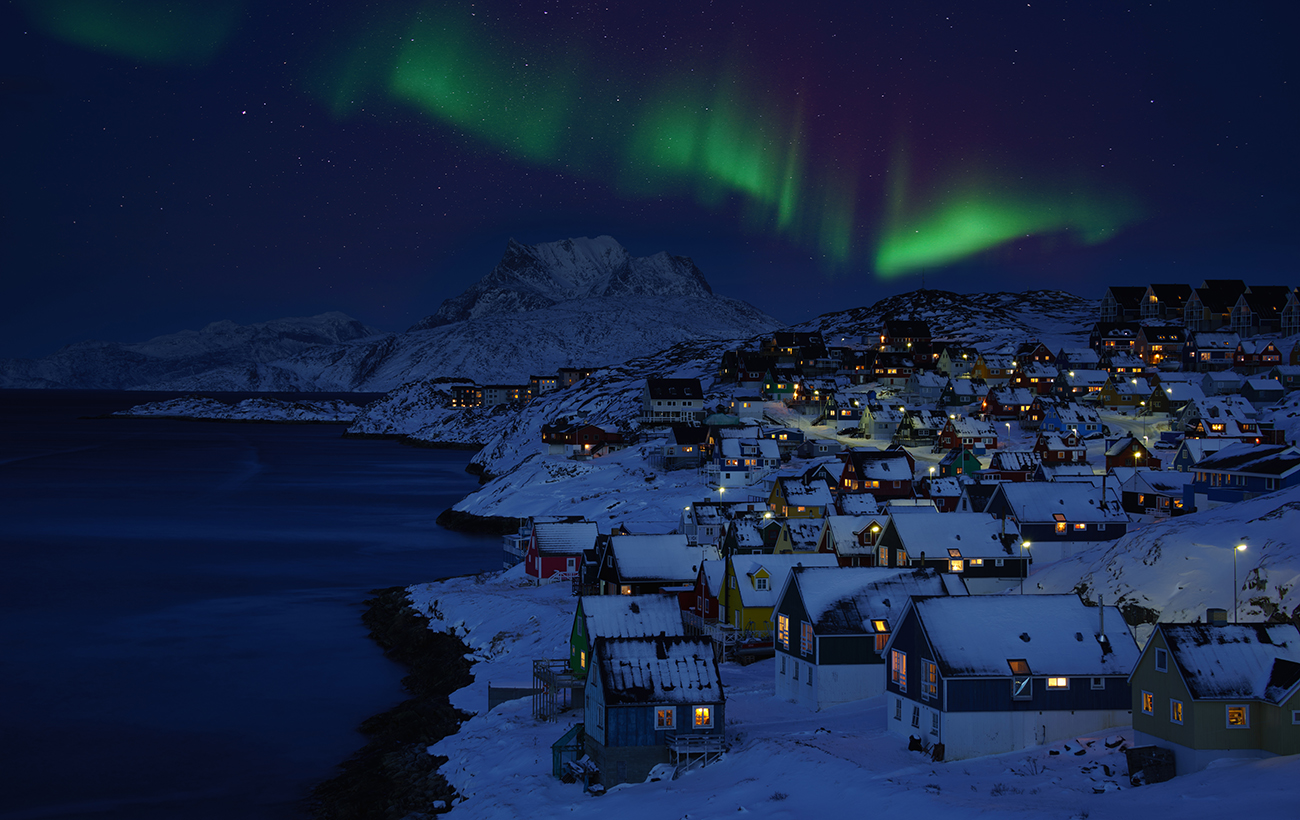 People in Alaska know how to stay resilient during the darkness (photo: Getty Images)
Unusual habits and survival hacks of northern residents
Life in Alaska pushes people to come up with tricks that seem strange to those living in milder climates.
Heated parking spots
A common sight in Fairbanks is cars parked overnight on specially equipped spaces with engine and battery heaters. Without plugging in at night, a car can become a solid block of ice by morning. At temperatures around -22°F, engine oil thickens, and the motor won’t turn over. Some cities even have heated outlets near supermarkets.
Oversized winter boots
Experienced Alaskans buy winter shoes a size or two larger. This is not for extra socks but to create an insulating air layer that warms better than any fur.
Sunglasses in winter
Snow glare can cause serious eye damage. Even on cloudy days, locals often wear sunglasses to protect their vision.
Life without door locks
In remote areas, there is an unspoken rule not to lock house or car doors. This is not due to low crime but to allow anyone caught in danger, such as encountering a bear, to find shelter quickly. Small, isolated settlements still follow this tradition, though in bigger cities like Anchorage, crime rates are higher, and people secure their property. Encounters with grizzly bears in urban areas remain extremely rare.
No diets
Alaskans know that warm, nutrient-rich, and fatty foods are essential for survival. Hot soups, fish, meat, and fats are standard. A dinner of just salad would raise eyebrows. The body needs plenty of energy because it burns a lot to stay alive in extreme cold.
Light under any conditions
Most of the year is dark, but locals don’t treat it as a problem. They add extra lighting: lamps, candles, floor lamps, warm tones, and cozy blankets to make spaces feel bright and comfortable.
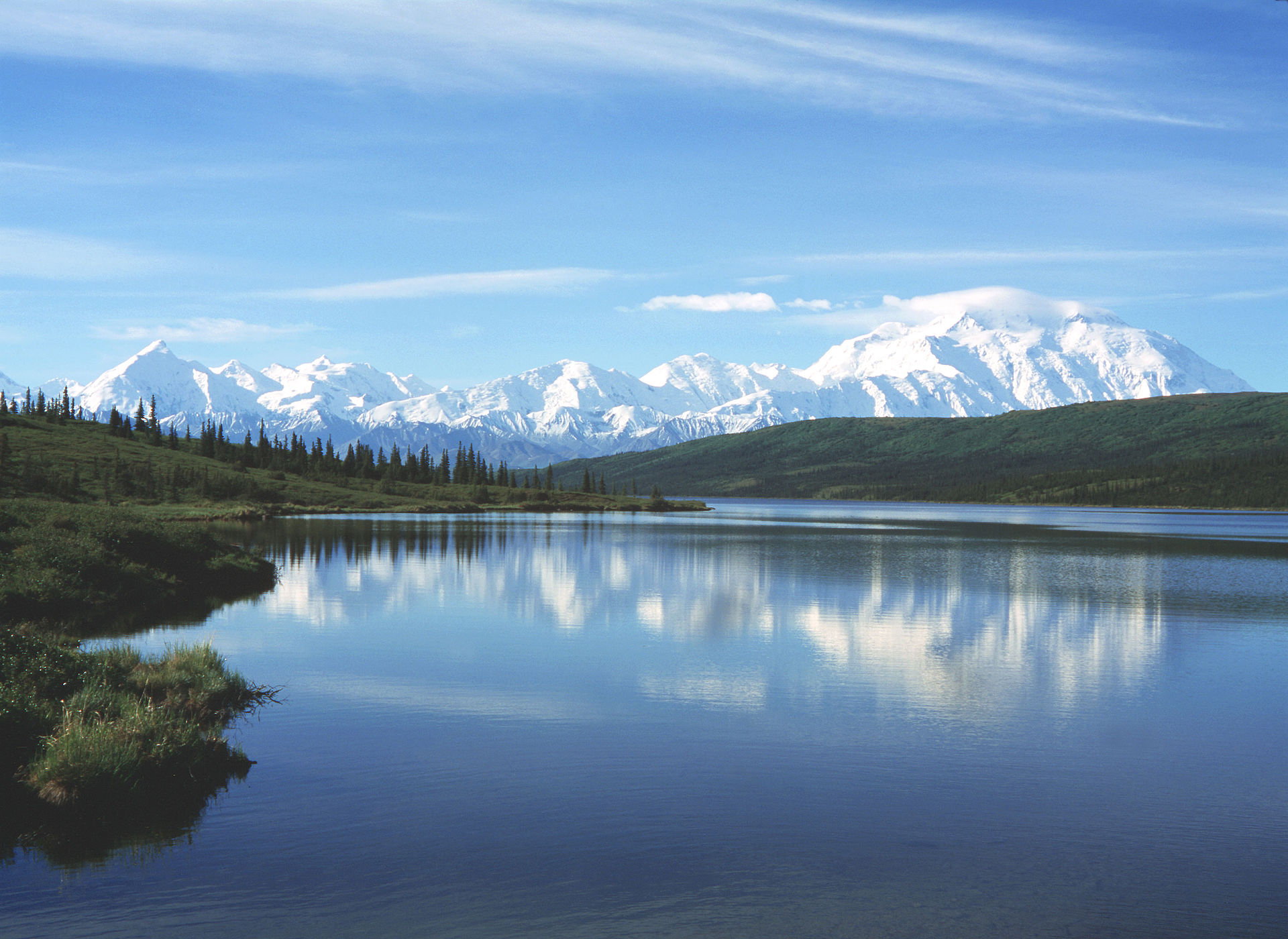 Alaska residents don’t fight nature; they know how to survive in any conditions (photo: Wikipedia)
Unexpected facts about Alaska
Cash for living
Every resident of Alaska receives annual payments from the State Permanent Fund, which comes from oil revenues. This serves as compensation for the harsh living conditions. The amount varies depending on oil income, usually ranging from $1,000 to $3,000 per person.
Giant vegetables
Because the sun can shine up to 20 hours a day in summer, plants get an excessive amount of light. This allows for growing cabbage weighing over 40 kg and pumpkins as large as cars. The world record was set in the Matanuska Valley, where a cabbage head reached 62 kilograms.
Planes instead of taxis
Many areas of Alaska have no roads at all. There is roughly one plane for every 60 residents, the highest ratio in the world. Alaska has more pilots per capita than any other state. Children fly to school in small Cessnas, just like other kids take buses. Planes are also used to deliver mail, medicine, and groceries.
Thoughtful houses
Alaska homes are not about Pinterest aesthetics. They may look simple or even rough from the outside, but inside they are warm and quiet. The goal is not just to heat the room but to retain heat. Thick walls, minimal drafts, and often a wood stove as the main heat source are common. Even with electricity, residents always have a backup system because anything can happen.
Clear structure
Life in Alaska is highly structured. Days are planned to be predictable with work, movement, meals, and rest. This structure protects mental health far better than uncertainty and daily chaos.
People stay active not because they love sports, but because movement is necessary to survive in this part of the planet. Walking, physical work, shoveling snow, and chores inside and outside the house are all part of daily life. The rule is simple: if you are cold, move; if you are tired, rest; avoid extremes.
No fighting reality
Generations of Alaskans understand that fighting reality is pointless because the conditions are beyond their control. Survival is not about endurance but about conserving physical and mental energy, adapting to harsh conditions, and taking care of oneself and loved ones.
Sources: reports from the Alaska Department of Health, cultural and historical essays from the Alaska Centers, and research on state payments to residents from the Alaska Permanent Fund.
This material is for informational purposes only and should not be used for medical diagnosis or self-treatment. Our goal is to provide readers with accurate information about symptoms, causes, and methods of detecting diseases. RBС-Ukraine is not responsible for any diagnoses that readers may make based on materials from the resource. We do not recommend self-treatment and advise consulting a doctor in case of any health concerns.