Magnetic storms warning: Prepare for headaches, fatigue, and sleep disruption

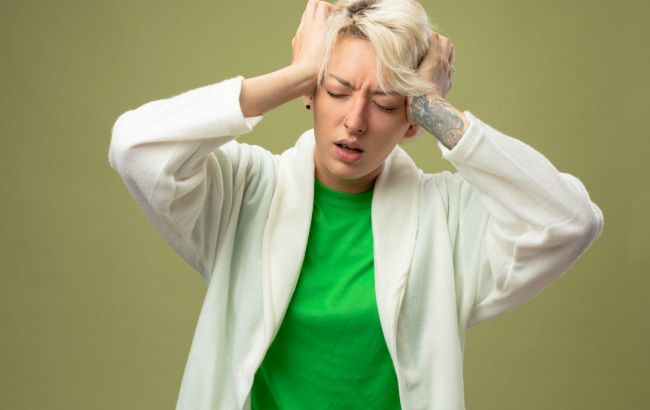 A powerful and prolonged magnetic storm is approaching Earth (photo: Freepik)
In mid-January, a series of magnetic storms of varying intensity is expected on Earth. The geomagnetic situation will remain unstable for several days, with the most challenging period anticipated in the middle of the week.
RBC-Ukraine reports the exact days of increased danger, who should be especially cautious, and how to reduce the impact of magnetic storms on the body.
Magnetic storm calendar from January 12 to 17
January 12, Monday
A moderate magnetic storm is expected, strengthening in the second half of the day from Kp-4 to Kp-5 (G1 level). People sensitive to weather may experience headaches, fatigue, drowsiness, or irritability. For most people, the day will pass without serious consequences.
January 13, Tuesday
The most dangerous period, as a strong magnetic storm Kp-5 (G1 level) is forecast. On such days, complaints of blood pressure spikes, sleep disturbances, palpitations, and general malaise are most common.
January 14, Wednesday
The magnetic storm continues at Kp-5, corresponding to red-level storm indicators. Headaches, migraines, and fatigue are possible.
January 15, Thursday
Geomagnetic activity gradually decreases, but the background remains unstable. Symptoms may persist, especially in people with chronic conditions.
January 16, Friday
A weak magnetic storm and a recovery period are expected. Well-being gradually normalizes, but weather-sensitive people may still experience residual effects such as fatigue and headaches.
January 17, Saturday
A new surge in geomagnetic activity is expected, again reaching Kp-5 (red G1 level). According to forecasts, this storm will be prolonged, lasting almost four days.
What are magnetic storms and how do they affect us
Magnetic storms are disturbances of the Earth's magnetic field caused by solar plasma ejections or solar wind streams. They can affect technical systems such as communication and navigation, as well as human biorhythms.
- Kp 2-4 indicates minimal to moderate activity, which may cause slight discomfort.
- Kp 5-7 and above indicate strong disturbances that affect both technology and well-being.
The most sensitive systems:
-
Cardiovascular system;
-
Nervous system;
-
Hormonal balance;
Who is most affected by magnetic storms
Geomagnetic fluctuations are most often felt by:
-
People with cardiovascular diseases;
-
People with high or low blood pressure;
-
People with chronic fatigue;
-
Weather-sensitive and meteorologically dependent individuals;
-
Elderly people;
-
Pregnant women;
-
People with chronic illnesses;
Worsening of well-being is also possible in those under stress or with disrupted sleep patterns.
Possible symptoms
During magnetic storms, the following may occur:
-
Headache;
-
Dizziness;
-
Weakness and drowsiness;
-
Increased anxiety;
-
Blood pressure spikes;
-
Exacerbation of chronic illnesses;
-
Irritability;
-
Fatigue;
How to ease your condition during magnetic storms
During periods of heightened geomagnetic activity, doctors recommend:
-
Avoid overexertion;
-
Rest more;
-
Sleep at least 7-9 hours a day;
-
Maintain a normal daily routine;
-
Drink enough water;
-
Eat a balanced diet;
-
Limit coffee and alcohol;
-
Spend more time outdoors;
-
Ventilate rooms;
-
Avoid physical and emotional overload;
-
Monitor blood pressure.
People with chronic conditions should follow their doctor’s recommendations and keep necessary medications on hand.
Earlier, we shared six tiny habits to make a big difference for your health.
Sources: NOAA Space Weather Prediction Center, ESA Space Weather Coordination Centre, NASA Solar Dynamics Observatory, PMC, BioMed Central, Nature.
This material is for informational purposes only and should not be used for medical diagnosis or self-treatment. Our goal is to provide readers with accurate information about symptoms, causes, and methods of detecting diseases. RBС-Ukraine is not responsible for any diagnoses that readers may make based on materials from the resource. We do not recommend self-treatment and advise consulting a doctor in case of any health concerns.