Italy sounds alarm as Russian tanker drifts in Mediterranean

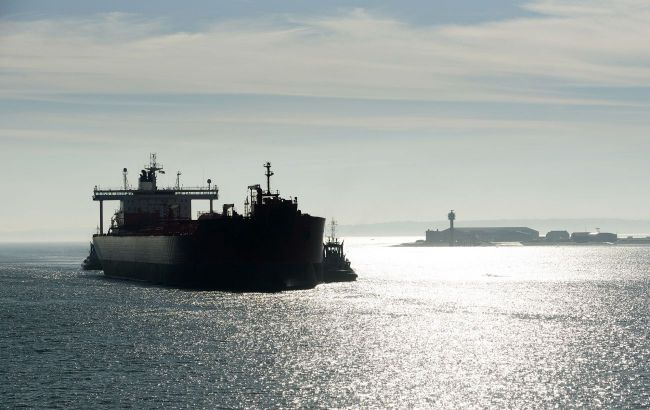
In the central Mediterranean, the damaged Russian fuel tanker Arctic Metagas, carrying gas, has been drifting for several days. Italy has warned of a serious environmental threat, according to CNN.
The situation in the waters between Malta and the Italian island of Lampedusa has reached a critical point. The Russian tanker, transporting a massive amount of liquefied gas and diesel fuel, has effectively become a ghost ship. After a likely drone attack, the vessel lost its crew, power, and control, and is now drifting uncontrollably in one of the world’s most important maritime areas.
Why this incident is being called the disaster of the year
Experts and Italian officials are not holding back in their forecasts. Here are the main facts that make the situation extremely dangerous:
- Scale of the threat: On board are more than 60,000 tons of LNG. Any detonation or depressurization due to hull damage could cause an explosion of unprecedented force.
- Environmental loop: The tanker carries 900 tons of diesel. In the event of a leak, unique marine reserves and tourist areas in Italy would be at risk.
- Lack of control: The vessel has a severe list and a huge breach. It does not respond to signals and is drifting according to the current.
Government sources under Giorgia Meloni commented that they were dealing with a time bomb ticking near their shores and that Italian ports were closed to the vessel because the risk was too high.
What is known about the attack?
The incident occurred on March 3. The Russian side claims Ukrainian maritime and aerial drones attacked it. As a result of explosions on the vessel, a fire broke out, and 30 crew members were forced to escape (the Libyan coast guard rescued them). Official Kyiv has not confirmed its involvement in the operation.
Rescue plan: Is there a way out?
The tanker is now only 20 miles from the island of Linosa. Italy and Malta have raised their special fleets on alert. Three scenarios are being considered:
- Towing attempt: The most dangerous option due to the vessel’s unstable structure.
- Controlled sinking: At great depth to minimize impact on the coast.
- Waiting: Hoping the current will carry the ship further from land while the owner (a Russian company) ignores requests.
Environmentalists warn that if the Floating Chornobyl explodes or breaks in half, the Mediterranean could suffer a wound that will not heal for decades.