Iran war sparks global oil tanker shortage — WSJ

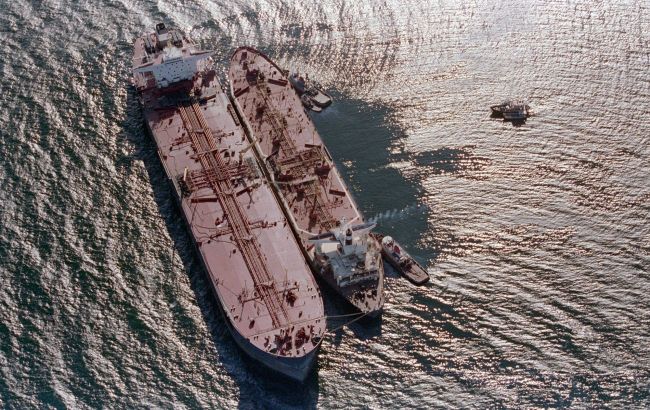 Photo: Oil tanker (GettyImages)
The war between the US and Iran and the shutdown of the Saudi East-West oil pipeline have led to a shortage of tankers for transporting oil. Amid route changes, the cost of chartering supertankers has reached an all-time high, according to The Wall Street Journal.
What changed in the market
In September, drone attacks halted operations on the Saudi East-West oil pipeline. As a result, large volumes of crude oil had to be rerouted through the Strait of Hormuz, increasing the workload on the tanker fleet.
Ships are now forced to take longer routes or be used for shuttle runs for extended periods. This has reduced the number of available VLCCs—the largest tankers used to transport crude oil.
According to Windward, in early September, the daily charter rate for a supertanker transporting oil from the Persian Gulf through the Strait of Hormuz exceeded $1 million. This works out to about $26 per barrel.
Clarksons Research noted that the tanker shortage is not limited to the Middle East. According to the company, freight rates are rising on various global routes, particularly for shipments from West Africa to China.
On Thursday, the average daily profit from operating a single VLCC reached $651,107, which is nearly double the figure recorded before the shutdown of the Saudi East-West pipeline.
Routes getting longer
Additional restrictions are linked to Houthi attacks. Saudi-flagged vessels have halted transit through the Bab al-Mandab Strait, so more than ten tankers have rerouted and are sailing around the Cape of Good Hope. According to Windward, this increases costs by approximately $1 million per voyage.
Saudi Aramco is trying to restore operations on the oil pipeline and has already warned customers in Europe and Asia of delays or cancellations of shipments in September and October.
Analysts at Kpler reported that following the attack, about ten VLCCs left the Strait of Hormuz carrying 24 million barrels of oil.
At the same time, the reduction in the available fleet is driving up refinery costs and may keep fuel prices high even as crude oil prices fall.
The US intends to maintain a military presence in the Middle East at a level that would allow it to resume combat operations if necessary. Meanwhile, Washington must decide on its next steps regarding Iran.