Iran demands control of key oil route as condition to end war

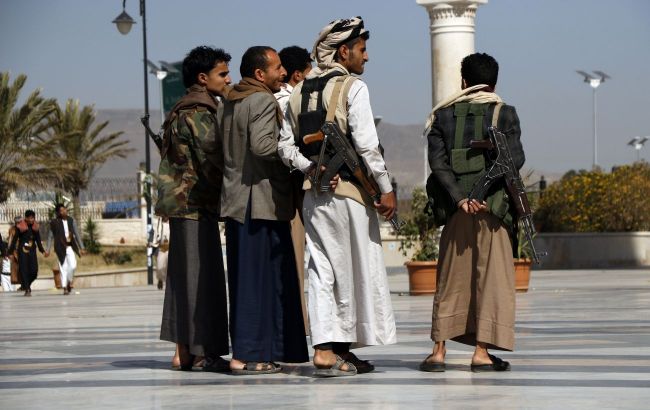 Photo: Iran has put forward a new demand to end the war (Getty Images)
A new condition has been added to Iran’s list of demands to end the war. Tehran now wants recognition of its sovereignty over the Strait of Hormuz, according to CNN.
As the outlet writes, the critically important waterway — through which about one-fifth of global oil and liquefied natural gas (LNG) supplies pass — has become the Islamic Republic’s most powerful weapon.
Tehran now seeks to turn it into both a source of potentially billions of dollars in annual revenue and a pressure point on the global economy.
Iran has long threatened to close the strait in the event of an attack, but few expected it to actually do so — or for it to be so effective in disrupting global trade flows.
The scale of the consequences appears to have expanded Tehran’s ambitions, and the new demands suggest it wants to turn this leverage into something more permanent.
According to analysts, Iran was partly surprised by how effective its Strait of Hormuz strategy turned out to be — particularly how cheaply and easily it can hold the global economy hostage.
“One of the lessons learned in the war is that it has discovered this new leverage, and it’s likely to use it again in the future,” an expert told CNN.
However, Washington is acutely aware of this risk. US Secretary of State Marco Rubio warned that one of the immediate post-war challenges would be Tehran’s attempts to establish a system of charging fees in the Strait of Hormuz.
He said such a condition is illegal and dangerous for the entire world.
As CNN notes, in previous rounds of negotiations with Washington, Tehran insisted on sanctions relief and recognition of its right to develop nuclear technology for peaceful purposes — but not on control over the Strait of Hormuz.
Iran is now signaling a possible move to formalize this leverage. A parliamentary committee has approved a preliminary draft law on navigation in the Strait of Hormuz.
Its provisions include, among other things, fees for passage through the strait and restrictions on vessels linked to the United States or Israel.
Situation around the Strait of Hormuz
The Strait of Hormuz was blocked by Iran at the end of February 2026 in response to US and Israeli strikes. This cut off routes for about 20% of global oil and gas exports and triggered a sharp rise in energy prices.
Initially, Trump called on allied countries that receive resources through the strait to help reopen it. After they refused, he urged them to “show courage” and take control of the strait themselves.
He also stated that the United States would no longer support countries that refused to participate in the operation.
Meanwhile, Western media, including The Wall Street Journal, report that Trump is ready to end the conflict with Iran even without fully reopening the Strait of Hormuz.