IOC reaches compromise on Heraskevych helmet case: What's allowed now

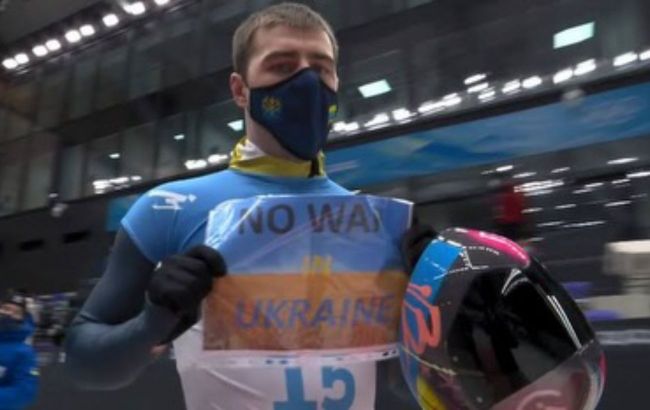 Vladyslav Heraskevych (photo: instagram.com/heraskevychvladyslav)
Ukrainian skeleton racer Vladyslav Heraskevych will not be allowed to use his “memory helmet” featuring portraits of athletes killed in the war during competitions at the 2026 Winter Olympics. The decision was made by the International Olympic Committee (IOC). At the same time, the organization offered the Ukrainian athlete a compromise option, according to Reuters.
What the IOC banned
Heraskevych’s helmet features photos of Ukrainian athletes who were killed after Russia’s full-scale invasion in 2022. The athlete used it during training in Cortina d’Ampezzo.
The National Olympic Committee of Ukraine asked the IOC to officially allow the equipment for competitions, but was denied.
The IOC said it understands the athlete’s desire to honor the fallen, but claimed the helmet violates current rules.
“The Games need to be separated from all types of interference so that all athletes can concentrate on their performances ... We need to keep that specific moment as pure as we can for the competition,” IOC spokesperson Mark Adams explained.
What alternative was offered
The committee suggested that Heraskevych replace the helmet with a black armband.
According to IOC representatives, this is an “acceptable compromise” that allows honoring the memory without violating regulations.
The organization refers to Rule 50.2 of the Olympic Charter, which bans any political, religious, or other demonstrations at sports venues.
Heraskevych’s position
The athlete does not agree with the decision.
“It's unfair treatment. I don’t see any violation of Rule 50. It is not discrimination propaganda, it is not political propaganda.” Heraskevych said.
He stressed that he wants to draw global attention to the war in Ukraine while respecting Olympic rules.
Why the “memory helmet” was created
According to the NOC of Ukraine, the helmet was created exclusively to honor fallen athletes. It contains no advertising, no political slogans, and meets technical and safety requirements.
It features portraits of more than 20 Ukrainian athletes, including Heraskevych’s friends and acquaintances — boxers, weightlifters, hockey players, coaches and young athletes.
When the Ukrainian will compete
Heraskevych is currently continuing preparations for the competition. Official skeleton events at the Olympics will begin on February 12.
The Ukrainian plans to defend his right to compete with the symbol of remembrance and does not rule out further appeals to the IOC.