India scales down Russian oil purchases to a minimum as sanctions bite — Bloomberg

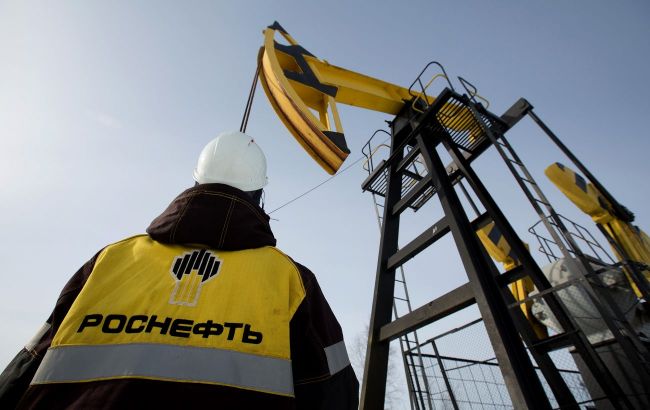 Illustrative photo: Sanctions hit the Kremlin (Getty Images)
India's imports of Russian oil could fall to their lowest level in nearly four years as early as the beginning of 2026, reports Bloomberg.
According to market participants, supplies may fall to 600,000 barrels per day in January, compared to a record 2.1 million barrels per day in the summer. This is a result of pressure from the administration of US President Donald Trump, which claims that the purchases are financing Russia's war in Ukraine, as well as sanctions against Rosneft and Lukoil.
Despite the decline, even these volumes remain higher than pre-war levels. Traders predict that imports may rise again as new intermediaries enter the market and Russia seeks workarounds. During his visit to Delhi, Russian president Vladimir Putin promised India uninterrupted fuel supplies in an attempt to retain his key buyer.
The trade agreement with the US is progressing slowly, so Delhi is in no hurry to fully comply with Washington's demands. Experts emphasize that despite the sanctions, they are not enough to completely stop the trade chain as long as Russian oil remains cheaper than alternatives from the Middle East or the US.
Indian state-owned companies are cutting back on purchases for fear of sanctions, but a number of private refiners are looking for new schemes and suppliers. Analysts suggest that imports may partially recover in the future thanks to the shadow fleet, a change of suppliers, and wider discounts.
The key issue remains the position of Reliance Industries, which until recently was the largest buyer of Russian oil. It has suspended supplies to its export plant and promises to comply with sanctions, but has a valid agreement with Rosneft that could add up to 350,000 barrels per day as early as January.
Cooperation between Russia and India
India has felt the serious economic consequences of its cooperation with Russia against the backdrop of the war against Ukraine and tough sanctions pressure from the US and the EU.
In 2025, Washington raised tariffs on most Indian goods to 50%. Additional tariffs were tied, in particular, to purchases of Russian energy resources and weapons. This hit Indian companies that actively export products to the US.
Due to this situation, India plans to reduce imports of Russian oil to a minimum level in almost three years in December 2025. Energy giant Reliance Industries had completely stopped purchasing Russian oil since November 20.
Instead, the company actively switched to supplies from the Middle East and the US, purchasing millions of barrels after sanctions were imposed on two major Russian oil producers.
At the same time, the Indian government continues to cooperate in the field of defense: media reported that New Delhi plans to discuss the purchase of Russian fighter jets and missile defense systems during Putin's visit. India also plans to lease a nuclear submarine from Russia for 10 years at a cost of about $2 billion.