How sleep affects lifespan: Surprising results from new study

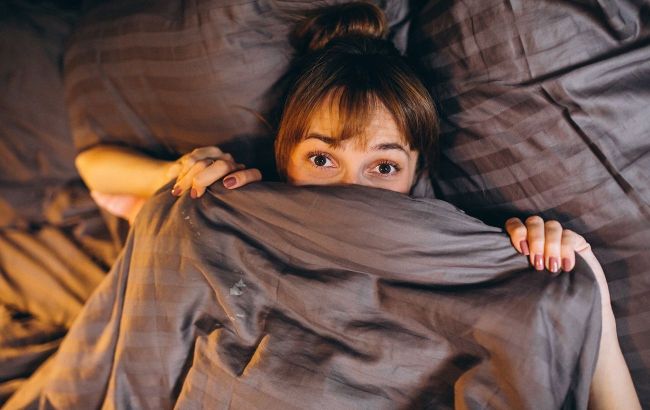 Photo: How much sleep do you need at night to live longer (Freepik)
Nighttime sleep is crucial. A new scientific study warns that the amount of sleep directly affects lifespan.
Sleep Advances reports on how much sleep you need at night for a longer life
Why sleep is so important
Researchers found a precise threshold: regularly sleeping less than seven hours a day can take years off your life, even more than poor diet or lack of physical activity.
A team from Oregon Health & Science University analyzed life expectancy data across U.S. counties and compared it with surveys from the Centers for Disease Control and Prevention (CDC) conducted between 2019 and 2025.
The results showed that the link between sleep and lifespan is stronger than the connection between longevity and diet, physical activity, or even social isolation. The only factor with a greater negative impact was smoking.
Scientists concluded that sleeping less than seven hours a night reduces expected life expectancy.
What the researchers say
Andrew McGill, the lead author of the study, admitted that even he was surprised by the strength of this connection.
"We’ve always thought sleep is important, but this research really drives that point home: People really should strive to get seven to nine hours of sleep if at all possible," the expert said.
According to him, sleep is critical for the heart, immune system, and brain function.
Researchers emphasize that millions of adults regularly get insufficient sleep, which increases the risk of cardiovascular disease and premature death, even in the absence of diagnosed sleep disorders.
5 sleep habits that can extend life
Previous studies have shown that people with healthy sleep habits live longer—on average, men by 4.7 years and women by 2.4 years. These habits include:
-
Sleeping 7–8 hours per night;
-
Trouble falling asleep no more than twice a week;
-
Rare nighttime awakenings;
-
Not using sleeping pills.
This material is for informational purposes only and should not be used for medical diagnosis or self-treatment. Our goal is to provide readers with accurate information about symptoms, causes, and methods of detecting diseases. RBС-Ukraine is not responsible for any diagnoses that readers may make based on materials from the resource. We do not recommend self-treatment and advise consulting a doctor in case of any health concerns.