How lack of sleep is affecting you: 10 warning signs

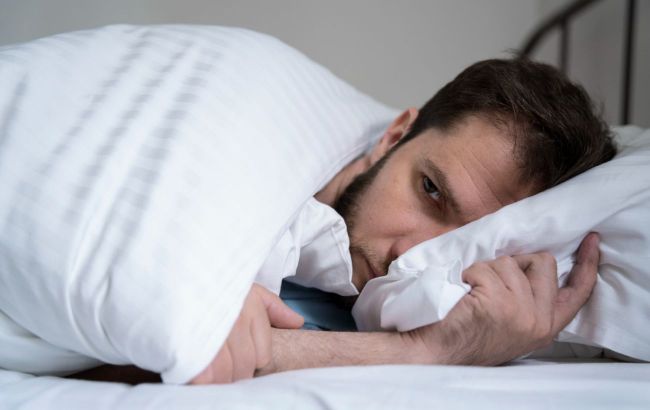 Main signs of sleep deprivation revealed (photo: Freepik)
Having trouble waking up in the morning and focusing during the day? This may not just be the result of a busy schedule. Signs of sleep deprivation may seem ordinary, but in reality, they indicate serious disruptions in the body’s functioning, according to Health.
How many hours of sleep do you need
The US Centers for Disease Control and Prevention (CDC) states that most adults need at least 7 hours of sleep per night to feel rested and maintain proper mental and physical functioning.
The ideal amount of sleep varies from person to person and depends on factors such as age, lifestyle, overall health, and genetics.
Teenagers need 8–10 hours of sleep per day. Children need even more sleep, spread throughout the day. For example, they should sleep 11–14 hours per day, including daytime naps.
Sometimes it is the quality, not the quantity, of sleep that causes sleep deprivation. You may get the required number of hours, but still feel tired if the quality of sleep is poor.
Sleep quality can depend on factors such as waking up during the night and the duration of each sleep stage.
The consequences of sleep deprivation can appear quickly. Just one night of insufficient sleep is enough to disturb your mental and physical balance the next day.
Signs of sleep deprivation
Fatigue can negatively affect physical and mental performance. Behavior and mood can also change.
Signs of sleep deprivation include:
-
Difficulty concentrating;
-
Slowed physical and mental reactions;
-
Headaches;
-
Forgetfulness;
-
Irritability;
-
Lack of motivation;
-
Mood swings;
-
Trouble focusing;
-
Decreased libido;
-
No motivation to complete routine tasks;
If you are sleep-deprived, your next sleep will usually be longer and deeper. Children who do not get enough sleep may be overly active. Like adults, children may also have trouble focusing, and their school performance may suffer.
Conditions that cause sleep deprivation
There can be many causes, including sleep disorders such as sleep apnea (when breathing stops during sleep), insomnia, and restless leg syndrome.
Other conditions include arthritis, back pain, heart disease, asthma, depression, and anxiety.
Lifestyle factors, such as working or attending social events at night, can also create sleep deprivation. Sleeping in a room that is too noisy, bright, hot, or cold may also affect sleep quality.
Some short-term effects of sleep deprivation include:
-
Impaired decision-making;
-
Memory problems;
-
Increased hunger and weight gain;
-
Vision problems;
-
Emotional instability;
-
Impulsivity;
According to MedlinePlus, over time, repeated sleep deprivation can negatively affect the body and health, specifically:
-
Weakening of the immune system;
-
Increased risk of type 2 diabetes;
-
Elevated blood pressure;
-
Higher risk of heart attacks;
-
Increased risk of developing mental disorders;
This material is for informational purposes only and should not be used for medical diagnosis or self-treatment. Our goal is to provide readers with accurate information about symptoms, causes, and methods of detecting diseases. RBС-Ukraine is not responsible for any diagnoses that readers may make based on materials from the resource. We do not recommend self-treatment and advise consulting a doctor in case of any health concerns.