Hidden germs: 7 dishwashing mistakes you’re probably making

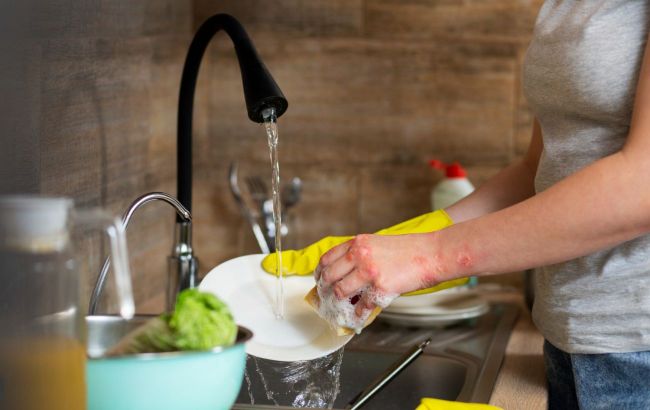 The main mistakes when washing dishes are named (photo: Freepik)
Washing dishes seems like a simple routine, but even in this daily task, many people make mistakes. These mistakes harm health and shorten the lifespan of kitchenware, according to the Martha Stewart website.
Using a dirty sponge
When washing dishes by hand, it is important to use a clean sponge. Dirty sponges can contain bacteria and unpleasant odors, so if they are not cleaned properly, they can spread bacteria and odors onto the dishes.
Instead of cleaning, a dirty sponge only spreads microorganisms onto plates, cups, and cutlery. This can lead to food poisoning or intestinal infections, especially if the dishes are not rinsed with hot water after washing.
It is best to clean sponges every few days and replace them completely every week.
Rinsing dishes before using the dishwasher
There is no need to rinse dishes before putting them in the dishwasher. Dishwasher detergent is designed to remove food residue from dishes, so pre-rinsing can actually reduce its effectiveness.
Using too much detergent
Using a large amount of dish detergent does not mean perfect cleanliness. This not only leads to unnecessary expenses but can also leave a film or residue on the dishes.
Excessive use usually does not damage the dishes, but it will result in more work, as you will have to rinse the detergent off under water for a long time.
Clean dishes in a dirty sink
Washing dishes in a dirty sink can create more work and make clean dishes susceptible to cross-contamination and the spread of bacteria.
It is best to wash dishes in a clean place to achieve the best results and the most sanitary conditions for the dishes. The same rule applies to washing dishes in a dirty dishwasher.
Regularly cleaning the dishwasher prevents odors and the buildup of food residue, which can, over time, affect cleaning results.
Not using the correct water temperature
Choosing the right water temperature when washing dishes not only ensures they are properly cleaned but is also important for safety reasons.
Using water that is too hot can damage your hands and even cause burns. Meanwhile, water that is too cold may not remove dirt as easily.
Keep dishes dry
Always make sure your dishes are dry before putting them away. If there is still moisture on them, wipe it off before storing.
Placing wet dishes in cabinets can lead to mold growth and even damage the cabinet's interior.
Letting dishes pile up in the sink
Washing dishes regularly saves time in the long run and keeps the kitchen looking and smelling its best. Allowing dishes or food scraps to accumulate in the sink can cause unpleasant odors in the kitchen and potentially affect the drain.