Your worst headache is coming: How to beat next magnetic storm without pillls

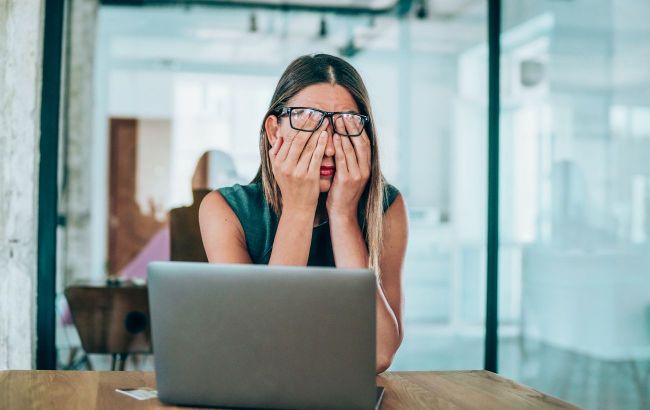 When the next geomagnetic storm will hit Earth and how to get through it (photo: Getty Images)
The Sun has decided to cause trouble for weather-sensitive people at the end of the week. Between June 19 and June 21, Earth will be hit by another wave of geomagnetic activity.
What the solar flare forecast looks like for the next three days, which hours will be the most critical, and how to protect your body from the cosmic storm is explained by RBC-Ukraine, citing SWPC NOAA.
When the solar wind strikes our planet’s magnetic field, weather-sensitive people, those with high blood pressure, and anyone suffering from chronic fatigue are the first to feel the effects. The upcoming weekend promises to be an emotional and physical roller coaster.
When will conditions be at their worst?
According to space weather forecasters, solar activity will remain in the moderate but highly uncomfortable “orange zone” during these days. The situation is expected to develop as follows:
June 19 (Friday): The first hit. Geomagnetic activity will rise to 4 points (K-index 4). The storm will not yet be extreme, but sensitive individuals may feel its effects from early morning. Symptoms may include background anxiety, a dull headache in the back of the head, and mild dizziness.
June 20 (Saturday): Peak of the storm. Activity will remain at 4–5 points. Saturday is expected to be the most difficult day for people who suffer from migraines and cardiovascular conditions. Sudden spikes in blood pressure, a feeling of having a “foggy” head, and overwhelming apathy are possible.
June 21 (Sunday): The magnetosphere will gradually begin to calm down. The index will drop to 3 points, which is considered a minor disturbance. However, the emotional and physical hangover from Saturday’s peak may still be noticeable until the evening.
How a magnetic storm affects our blood vessels
Why does space weather affect people sitting in an office or at home? During magnetic storms, capillary blood flow and microcirculation in the body slow down slightly. As a result, cells receive less oxygen, causing mild hypoxia.
The most common symptoms during these three days include:
- Headaches that respond poorly to regular painkillers
- Insomnia at night and overwhelming daytime sleepiness
- Irritability for no apparent reason or, conversely, a complete lack of energy
- Joint pain and increased sensitivity to noise
What you should definitely avoid
To prevent worsening the effects of solar activity, doctors recommend avoiding several things during these three days:
Do not overuse caffeine or energy drinks. When blood vessels are already under strain, a fifth cup of coffee may trigger a panic attack or arrhythmia. Replace it with herbal tea or plain water.
Avoid heavy, fatty, and overly salty foods. Salt causes water retention, which automatically raises blood pressure and places additional strain on the heart.
Avoid intense physical exertion. If you planned to do a major house cleaning, dig up your garden, or run a marathon in the heat on Saturday, it is better to postpone it. Replace intense workouts with a relaxed walk.
Stay out of conflicts. During a geomagnetic storm, the nervous system is more excitable, so a minor disagreement in a queue or work chat can escalate into a major argument and prolonged stress.
How to help yourself: simple tips
You cannot hide from Earth’s magnetic field in a reinforced concrete bunker, but you can ease the symptoms with a few simple actions:
Stay hydrated. Drink water as if you were vacationing in a hot country. Water helps thin the blood and assists blood vessels in adapting to pressure changes.
Take a contrast shower. But do not overdo it. Simply alternate between pleasantly warm and cool water. It is an excellent and gentle workout for your capillaries.
Get more oxygen. Air out your room every hour. If possible, take at least a 20-minute evening walk in a park. This can reduce the feeling of brain fog.
Use calming remedies. If your heart starts racing and anxiety increases, make some mint or chamomile tea. Reduce your screen time and allow yourself to relax for at least a few hours.
This material is for informational purposes only and should not be used for medical diagnosis or self-treatment. Our goal is to provide readers with accurate information about symptoms, causes, and methods of detecting diseases. RBС-Ukraine is not responsible for any diagnoses that readers may make based on materials from the resource. We do not recommend self-treatment and advise consulting a doctor in case of any health concerns.