Get vitamins from food: 5 natural alternatives to supplements

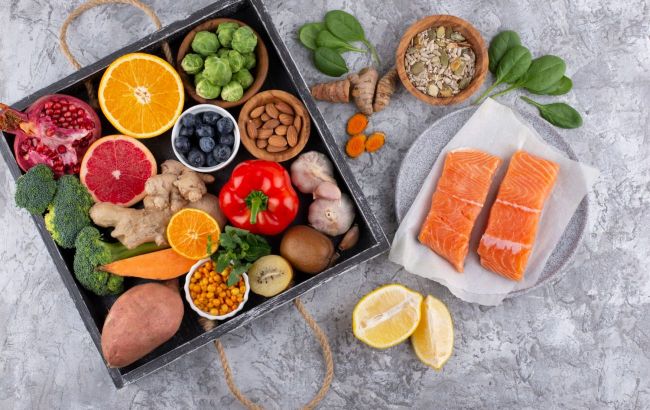 Foods that can replace vitamin supplements identified (photo: magnific)
Not all nutrients can be obtained from supplement bottles alone. Experts have identified foods that can naturally compensate for deficiencies in many vitamins and minerals, according to Verywell Health.
Sunflower seeds
A 1/4 cup of unsalted sunflower seeds provides about 80% of the daily vitamin E requirement, 25% of magnesium, and 11% of fiber.
Dietitian and nutritionist Melissa Danno explains that the body is more likely to absorb nutrients from whole foods than from concentrated supplements.
It is easy to fall into repetitive eating habits and consume the same foods every day. Breaking these habits can help introduce more nutrients into your diet.
Fruits and vegetables
Eating a variety of colorful fruits and vegetables provides phytochemicals—plant compounds that support health. For example, lycopene in tomatoes may help protect against certain types of cancer and heart disease.
Anthocyanins in berries may slow cellular aging, while allicin in onions may help the body fight tumors.
Fruits and vegetables contain a wide range of vitamins, minerals, antioxidants, and phytonutrients.
Fatty fish
Omega-3 fatty acids are important for heart and brain health. Experts suggest choosing fish instead of omega-3 supplements or fish oil.
Fatty fish such as salmon, trout, and sardines are rich in omega-3s and high-quality protein. Fish and other lean protein sources like poultry, beans, tofu, and eggs also provide iron, zinc, vitamin B12, selenium, and magnesium.
Walnuts
Some plant-based foods, such as walnuts, are another way to get omega-3 fatty acids without supplements, especially for people who do not eat fish.
Walnuts, chia, and flax seeds contain omega-3s, fiber, and minerals, and they also increase satiety.
Unlike most omega-3 supplements, these foods also provide protein and fiber that keep you full for longer.
Brown rice
Whole grains help provide many essential nutrients without the need for supplements.
Brown rice, oats, quinoa, and whole-grain bread contain fiber, B vitamins, magnesium, and phytonutrients—nutrients often lacking in refined grains.
Brown rice or quinoa can be paired with nutrient-rich foods such as salmon, broccoli, and sweet potatoes for a vitamin- and mineral-rich meal.
Should you take multivitamins and supplements?
Pregnant or breastfeeding women, older adults, young children, and people following vegan, vegetarian, or other restrictive diets may need specific supplements to meet nutritional needs.
However, if you already eat a varied, nutrient-rich diet, you will likely get all the necessary nutrients from food alone.
Supplements are not always safe. Some, especially in high doses, may interact with medications or increase the risk of kidney stones or strokes.
Before taking any supplements, it is advisable to consult a doctor and take a blood test to determine whether you actually have a deficiency.
This material is for informational purposes only and should not be used for medical diagnosis or self-treatment. Our goal is to provide readers with accurate information about symptoms, causes, and methods of detecting diseases. RBС-Ukraine is not responsible for any diagnoses that readers may make based on materials from the resource. We do not recommend self-treatment and advise consulting a doctor in case of any health concerns.