Germany increases output of TYTAN drones, Ukraine puts them to use

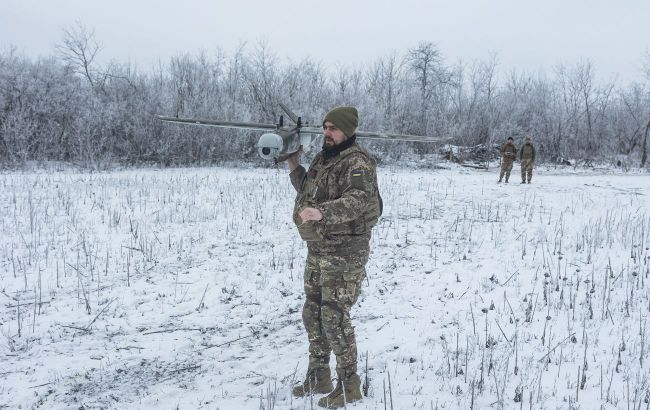 Drone (photo: Getty Images)
Europe’s defense industry is accelerating the shift from experimentation to large-scale production of counter-drone systems amid the growing threat posed by cheap, mass-produced UAVs, Defense Express reports.
German defense startup TYTAN Technologies has announced the opening of a new manufacturing facility in Bavaria, as well as the signing of a memorandum of understanding with HENSOLDT, a company widely known for its radar system developments.
The company said both moves are aimed at a single goal: turning Europe’s counter‑UAV capabilities into an industrial-scale product.
“Both steps serve the same mission: turning Europe’s counter‑UAV capabilities into an industrial reality,” TYTAN Technologies said, adding that responses to mass drone threats must also be affordable and scalable.
Shift to serial production
With the launch of the new facility, the company is effectively completing the development phase and moving into serial production of interceptor drones. The goal is to reach output of up to 3,000 air‑defense drones per month by the end of the year.
Combat experience and cooperation
The reference is to TYTAN Interceptor drones, which have already been tested in demanding combat conditions in Ukraine.
The manufacturer emphasizes that operational experience influenced refinements to the system’s architecture and confirmed its readiness for mass production.
At the same time, the company is working with the German military to ensure compatibility and integration with existing systems.
Technical specifications
According to information on TYTAN Technologies’ official website, Interceptor air‑defense drones can reach speeds of over 250 km/h, have an interception range exceeding 15 km, and, with a platform weight of around 5 kg, are equipped with a 1 kg warhead.
The Polish Air Force is exploring options to strengthen its air power and has shown particular interest in light attack aircraft capable of effectively neutralizing enemy drones.
Modern armed conflicts are becoming a key driver of defense technology development, with NATO militaries actively incorporating these lessons. New developments span a wide range of areas - from advanced UAVs and interceptor drones to active protection systems for armored vehicles that increase battlefield survivability.