Germany converts Europe's largest car port for military use

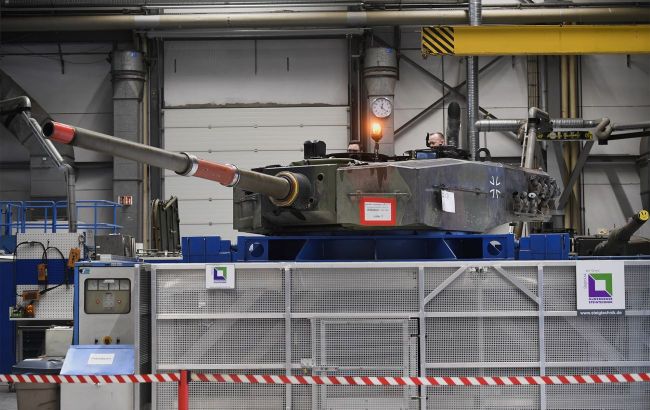 Photo: production of Leopard tanks in Germany (Getty Images)
Germany is investing billions in port infrastructure to transport military equipment. This is part of preparations for a possible conflict in Europe, according to Bloomberg.
The project concerns the modernization of Europe’s largest car port in Bremerhaven on the North Sea coast. A total of €1.35 billion is being invested, and these funds are not aimed at expanding civilian exports but at strengthening infrastructure for transporting heavy military equipment.
In particular, the port is being prepared for the transport of 60-ton Leopard tanks and other weaponry that could be rapidly deployed to potential combat zones.
The project is included in Germany’s 2026 budget and is part of a broader strategy to strengthen defense readiness. The country's central location and advanced industrial base allow it to serve as a key logistics hub for supplying equipment to allies in the event of a threat.
At the same time, the Bundeswehr is not able to independently ensure the required transport capacity, so the government is actively involving the private sector. Logistics companies, including BLG Logistics operating in Bremerhaven, are expected to be involved.
"Investing in the port was a game changer for us," said CEO Matthias Magnor. "We are currently in very positive discussions and hope to be able to make the first significant investments this year."
Despite business readiness to participate, the country faces a number of challenges. A significant part of the transport infrastructure remains outdated: around 5,000 bridges require repair, while roads and railways are not fully prepared for the rapid movement of large volumes of equipment.
After Russia's full-scale invasion of Ukraine in 2022, Germany significantly changed its defense approach. Additional pressure has come from US statements about reducing its military presence in Europe.
As a result, the country is gradually blurring the line between civilian and military logistics, involving businesses in defense-related needs.
Tensions between the US and NATO
Earlier, US President Donald Trump said Washington was studying the possibility of reducing its military contingent in Germany — a key country for US forces in Europe.
This is not the first signal of a potential reassessment of US military presence on the continent. The US administration has repeatedly criticized allies for insufficient defense spending and has also suggested possible troop reductions not only in Germany but also in Italy and Spain.
In addition, according to Reuters, the US developed an informal classification of allies into "obedient" and "non-compliant," and the Pentagon explored scenarios of sanctions against NATO countries that did not support Washington's actions in the Middle East.