Gastroenterologist exposes main habit causing constipation

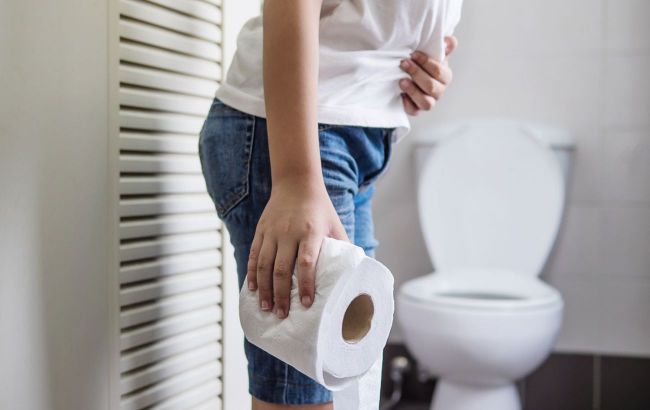 Why holding in bowel movements is harmful (photo: Freepik)
The habit of “holding it in” disrupts the function of the intestines, provokes constipation, and increases the risk of complications, according to Eating Well.
Read also: This common gut problem may trigger acne and rashes
What can happen
One of the worst habits for your health is ignoring the urge to go to the bathroom. However, many people regularly hold in bowel movements. Whether you’re too busy at work, avoiding public restrooms, or traveling, holding it in can lead to digestive issues.
“Don’t ignore the urge to have a bowel movement. This will lead to harder stools that will be more difficult to pass later,” said gastroenterologist and medical doctor Andrew Moore.
The urge to go occurs when the rectum fills, activating receptors in the anus that send signals to the brain. The longer the stool remains in the rectum, the more water is absorbed from it, making it harder to pass.
There is a limited window of time between when your body signals the need to go. Waiting too long can cause your body to adapt and ignore the sensation.
Limit toilet time to 10 minutes
Prolonged sitting on the toilet, like 30 minutes or more, can have serious health consequences. You effectively strain the pelvic floor muscles for an extended period, which can weaken them.
Frequent toilet sessions over 10 minutes may lead to issues such as hemorrhoids or urinary incontinence. You can set a timer to monitor your bathroom time.
Don’t take your phone to the toilet
This prolongs your time on the toilet and, over time, increases the risk of hemorrhoids or weakened pelvic floor muscles. Avoid bringing phones or other distractions such as books, magazines, or laptops into the bathroom.
Another habit to avoid is constant straining while sitting on the toilet. This can lead to pain or even bleeding, which may indicate clinical constipation.
Tips for better bowel movements
-
Eat more fiber. Fiber helps improve bowel regularity and softens stools, promoting healthier bowel movements. Fiber-rich foods include fruits, vegetables, whole grains, beans, lentils, nuts, and seeds.
-
Drink more water. Dehydration causes the intestine to extract as much water as possible from stool, which can lead to constipation. Drinking enough water helps prevent digestive issues.
-
Move more. Regular physical activity—even simple walking—stimulates the intestines and helps make bowel movements more regular. Even a brisk 20-minute walk can be beneficial.
This material is for informational purposes only and should not be used for medical diagnosis or self-treatment. Our goal is to provide readers with accurate information about symptoms, causes, and methods of detecting diseases. RBС-Ukraine is not responsible for any diagnoses that readers may make based on materials from the resource. We do not recommend self-treatment and advise consulting a doctor in case of any health concerns.