From first iPhone to iPhone 18: Evolution of Apple’s smartphone

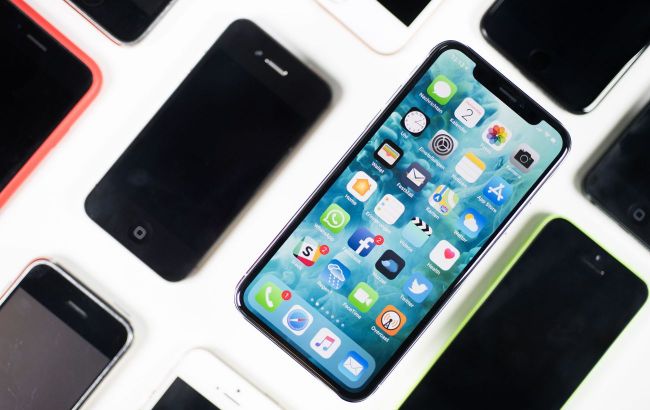 iPhone (photo: Getty Images)
Over nearly two decades, the iPhone has evolved from an unusual smartphone with a physical SIM card and a 2-megapixel camera into a powerful device that increasingly resembles a pocket computer for photos, videos, work, and artificial intelligence.
RBC-Ukraine reports that during this time, Apple has repeatedly changed the design, screen size, unlocking system, charging port, and even the very idea of what a smartphone should be
But to better understand just how much Apple has changed, it is worth going back to 2007.
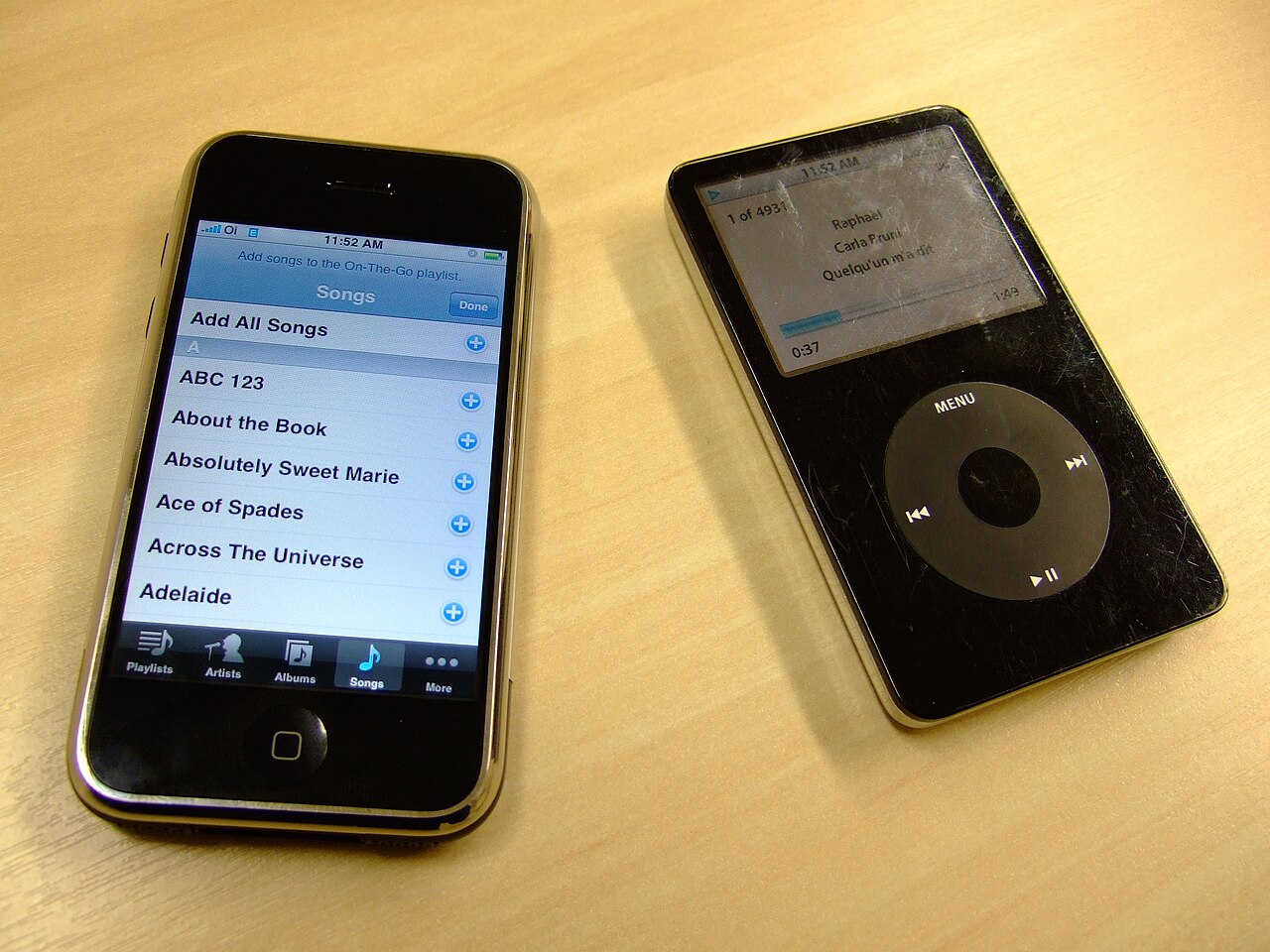
2007 — the first iPhone
On January 9, 2007, Steve Jobs introduced the first iPhone. Apple positioned it as three devices in one: a phone, a widescreen iPod and an internet communicator.
The smartphone featured a 3.5-inch display, multitouch, a 2-megapixel camera, Wi-Fi, Bluetooth and EDGE. There was no physical keyboard — instead, Apple offered a touchscreen keyboard that users controlled with their fingers.
At the time of the presentation, this looked unusual: most smartphones of the era had physical buttons. Apple effectively made the screen the main element of interaction with the phone.
.jpg) The first iPhone (photo: wikipedia.org)
The first iPhone (photo: wikipedia.org)
2008 — iPhone 3G and the launch of the App Store
The following year, Apple released the iPhone 3G. This model became an important milestone in shaping the company’s future.
In addition to 3G support, the smartphone gained access to the App Store. This changed the role of the phone: it gradually evolved from simply a means of communication into a platform that users could fill with their own apps.
 iPhone 3G (photo: wikipedia.org)
2010 — iPhone 4 and a new design standard
The iPhone 4 marked one of the most significant changes in the model’s early history. Apple moved away from the rounded body of its predecessors and opted for glass and a metal frame.
The main innovation was the Retina display with a much higher pixel density. A front-facing camera for FaceTime video calls was also introduced.
It was with the iPhone 4 that Apple’s smartphone developed its recognizable look, which largely shaped the design of subsequent generations.
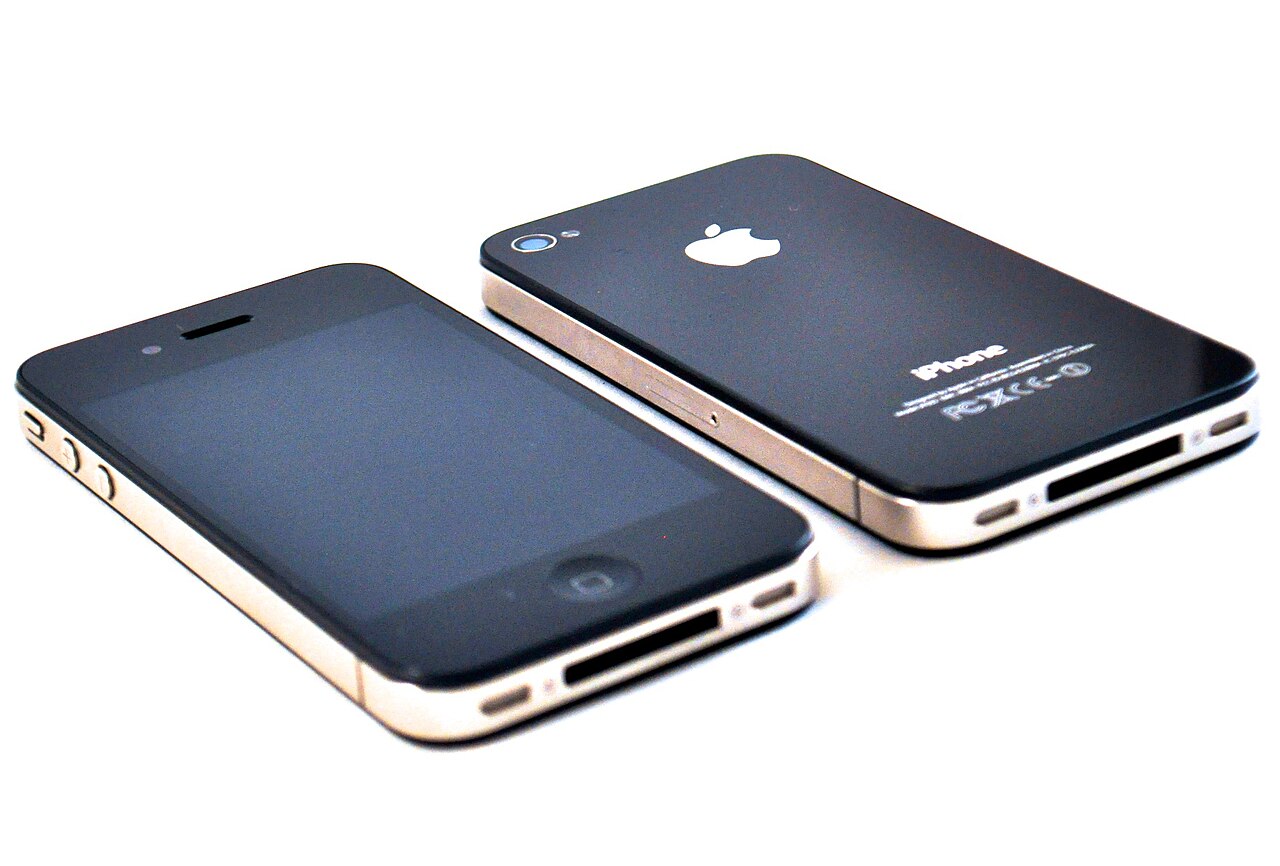
iPhone 4 (photo: wikipedia.org)
2012 — iPhone 5
The iPhone 5 was the first iPhone with a 4-inch display. The body was made thinner and lighter, while the old 30-pin connector was replaced with Lightning.
The smartphone also gained LTE support, allowing it to work much faster with mobile internet.
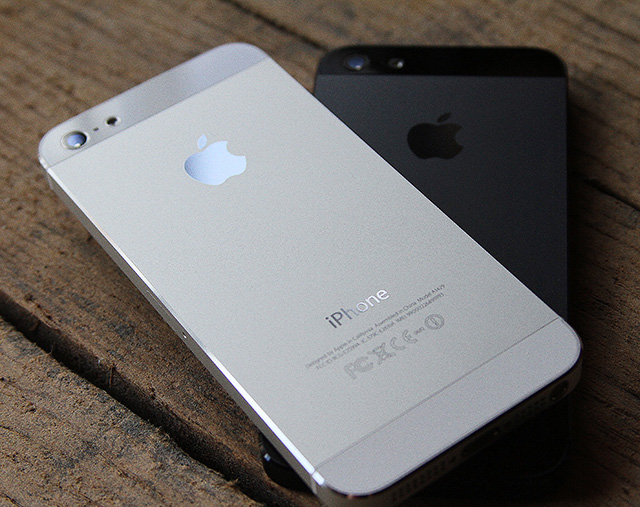
iPhone 5 (photo: wikipedia.org)
2014 — iPhone 6 and the arrival of the Plus
A few years later, Apple changed its approach to smartphone size. The iPhone 6 featured a 4.7-inch display, while the company also introduced the iPhone 6 Plus with a 5.5-inch screen for the first time.
This was an important moment: Apple effectively acknowledged that users wanted larger smartphones. Big screens gradually became the new norm.

iPhone 6 (photo: wikipedia.org)
2016 — iPhone 7
The iPhone 7 stood out not only for its upgraded camera and performance. Apple removed the traditional 3.5mm headphone jack.
The decision sparked considerable debate, but other manufacturers eventually began phasing out the audio jack as well.
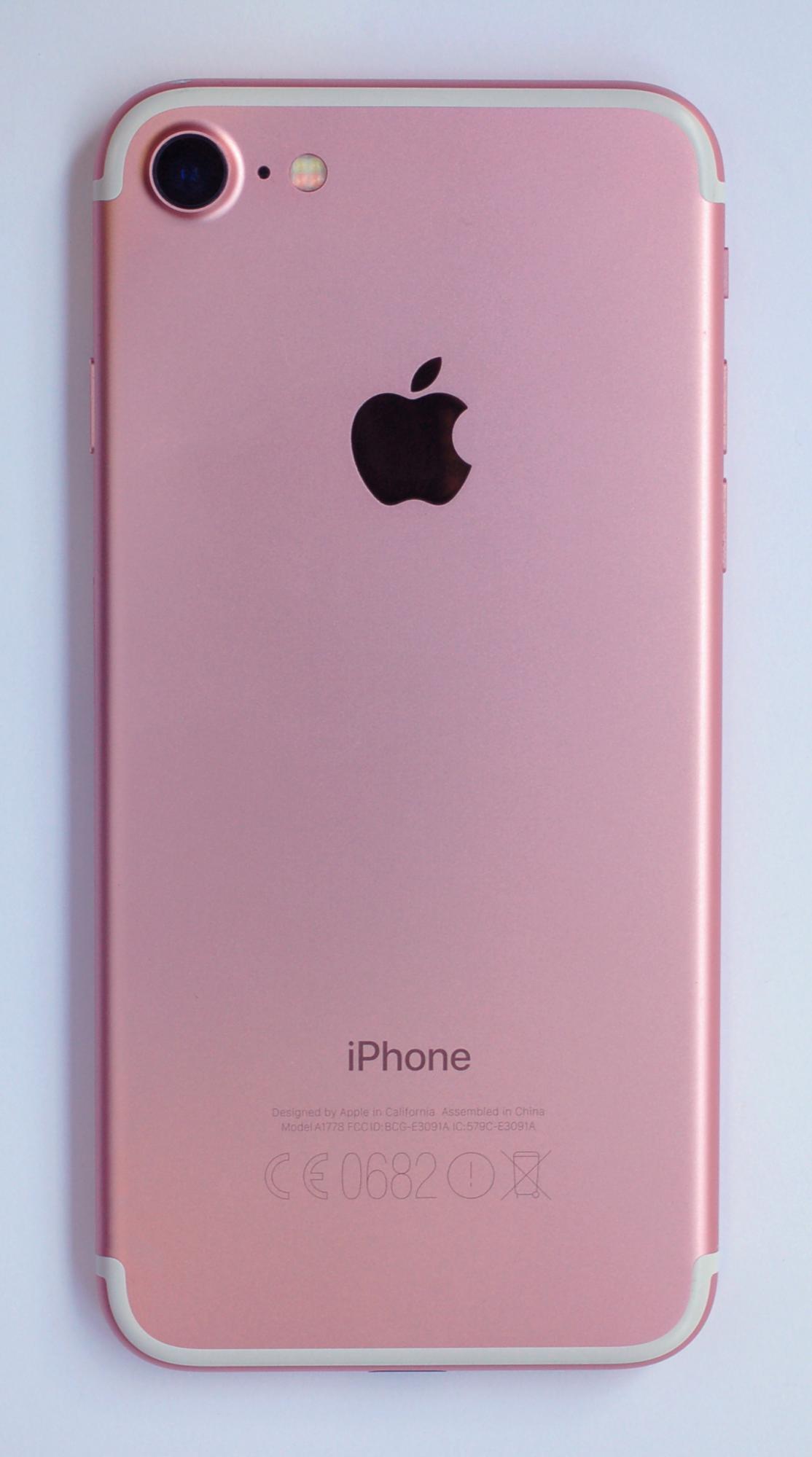 iPhone 7 (photo: wikipedia.org)
2017 — iPhone X changes everything
The 10th anniversary of the iPhone became the occasion for one of the biggest redesigns in its history.
The iPhone X did away with the Home button and wide bezels around the display. Apple introduced an OLED screen, Face ID, and the distinctive notch at the top of the display.
The iPhone X marked the beginning of a design that defined the look of Apple’s smartphones for years to come.
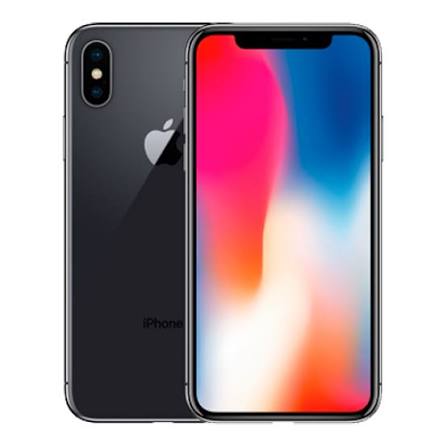
iPhone X (photo: wikipedia.org)
2019 — iPhone 11
With the iPhone 11, the camera became one of the main reasons to upgrade the smartphone. The base model featured a dual-camera system, while the Pro models came with a triple-camera setup.
Apple also placed a strong emphasis on night photography and computational photography. The smartphone was increasingly positioned as a tool for content creation.
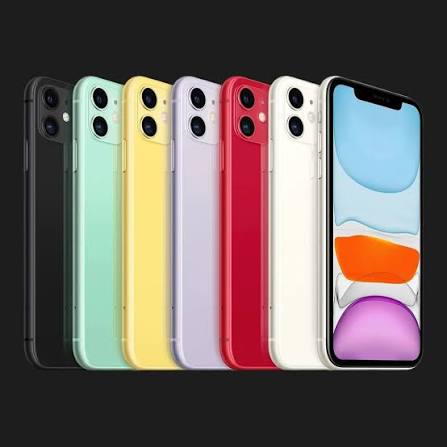
iPhone 11 (photo: jabko.ua)
2020 — iPhone 12
In 2020, Apple introduced the iPhone 12 with 5G support and a new design featuring flat edges, reminiscent of the aesthetic of older models.
Another major innovation was the MagSafe system — a magnetic attachment system for charging and accessories.
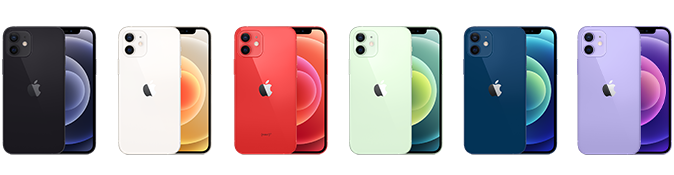
iPhone 12 (photo: support.apple.com)
2021–2022 — iPhone 13 and 14
The iPhone 13 continued the focus on improving cameras, displays and battery life. The Pro models introduced support for ProMotion with a refresh rate of up to 120 Hz.
Then, in 2022, the iPhone 14 Pro became another landmark model. Apple replaced the traditional notch with Dynamic Island — an interactive area around the front-facing camera and Face ID sensors.
At the same time, Apple introduced satellite emergency communication features for supported regions.
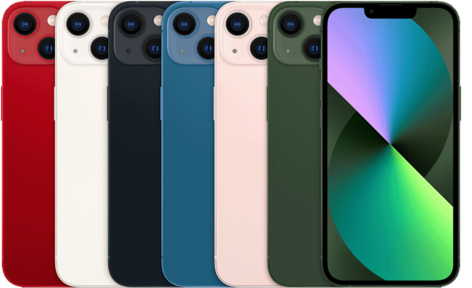
iPhone 13 (photo: support.apple.com)
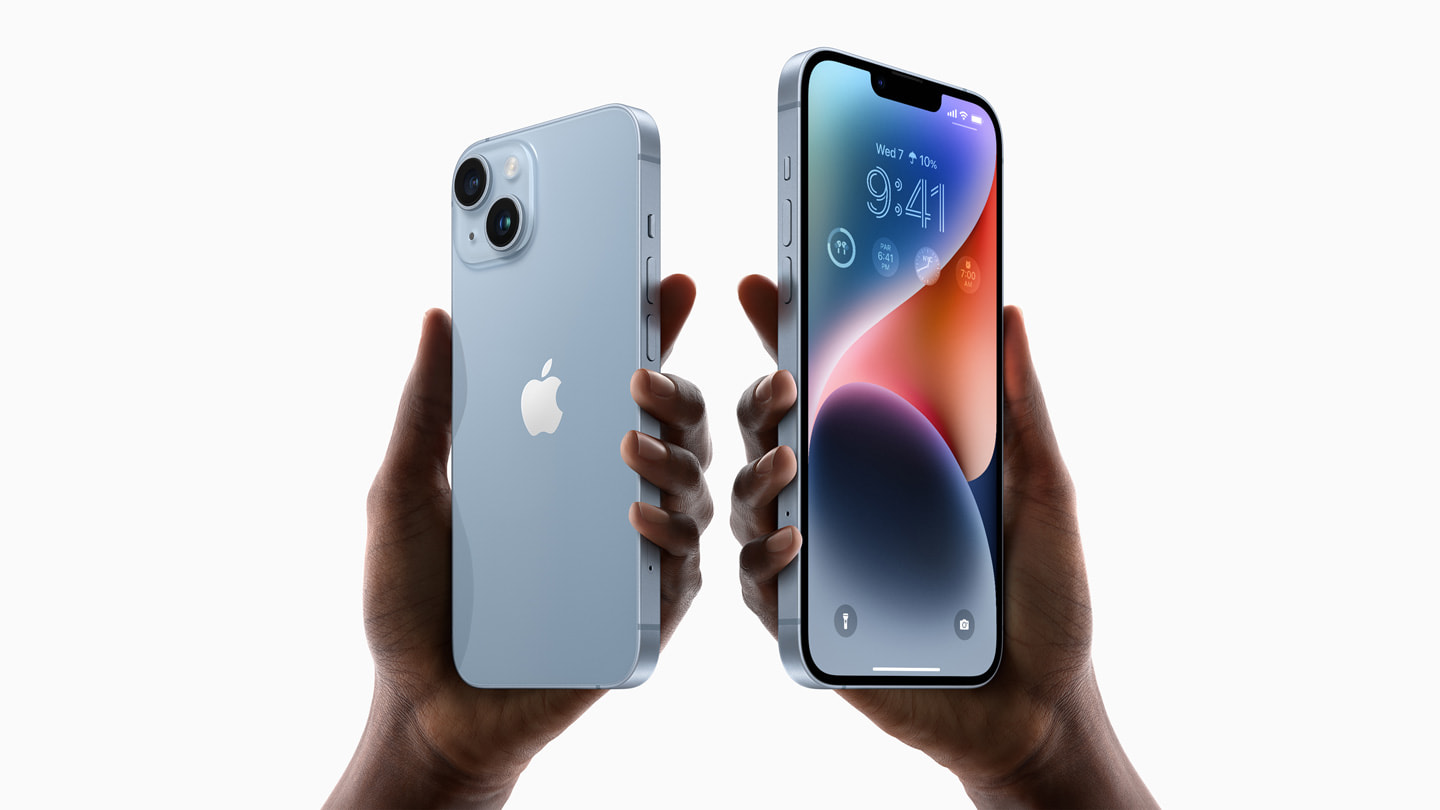
iPhone 14 (photo: apple.com)
2023 — iPhone 15 and USB-C
One of the most noticeable changes in recent years came in 2023. With the iPhone 15 series, Apple replaced Lightning with USB-C.
In the Pro models, the company also used a titanium body, emphasizing lighter weight and professional camera capabilities.
The switch to USB-C was particularly noticeable, as a single charging standard made it possible to use the same cable for an iPhone, MacBook, iPad and many other devices.
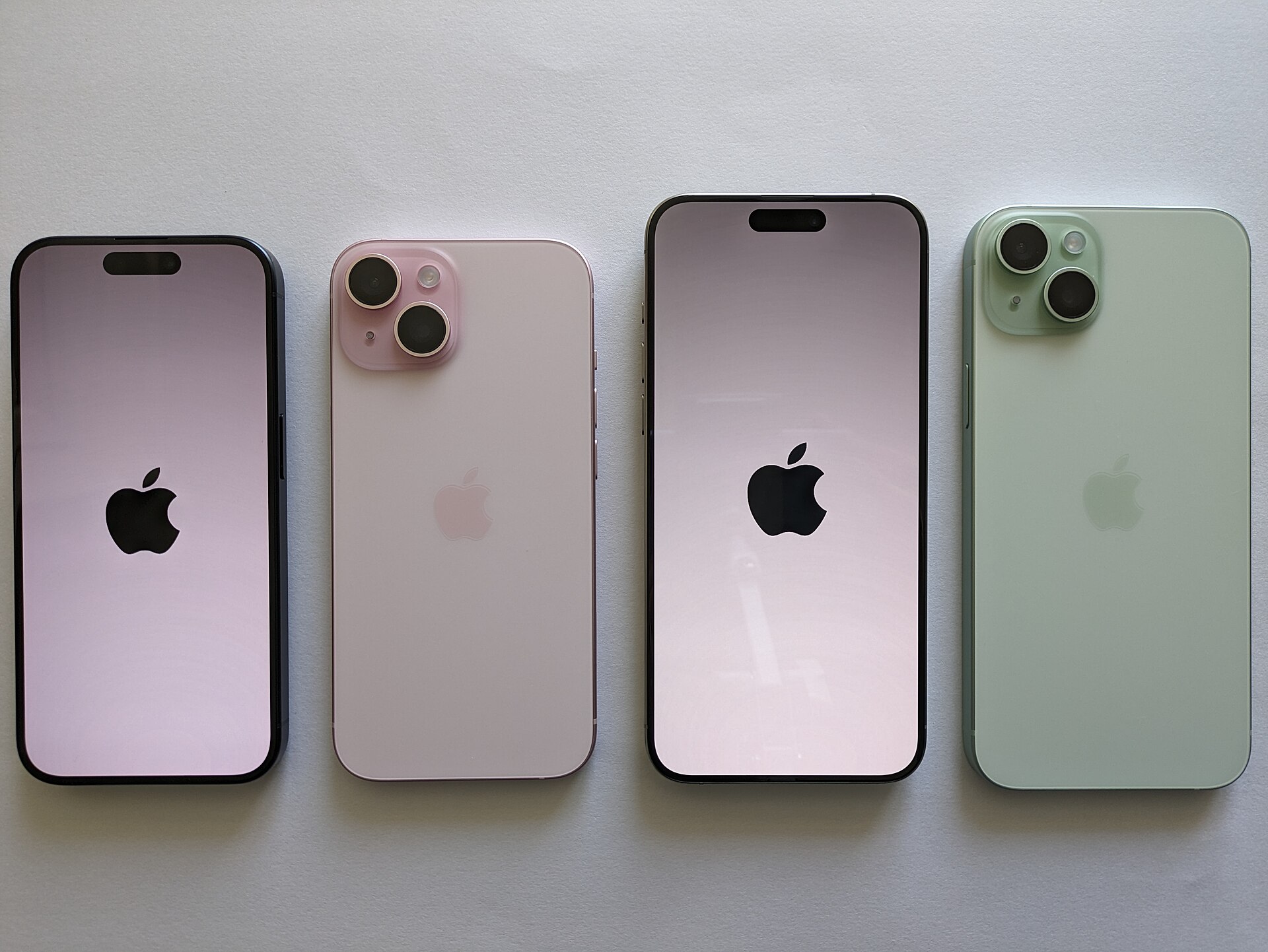 iPhone 15 (photo: wikipedia.org)
2024 — iPhone 16
With the iPhone 16 series, Apple placed an even greater emphasis on artificial intelligence.
The smartphones received a new Camera Control button, which allows users to launch the camera faster and control shooting settings. The Pro models also received camera and video capability upgrades.
At the same time, Apple began rolling out Apple Intelligence — a suite of AI-powered features integrated into the system.
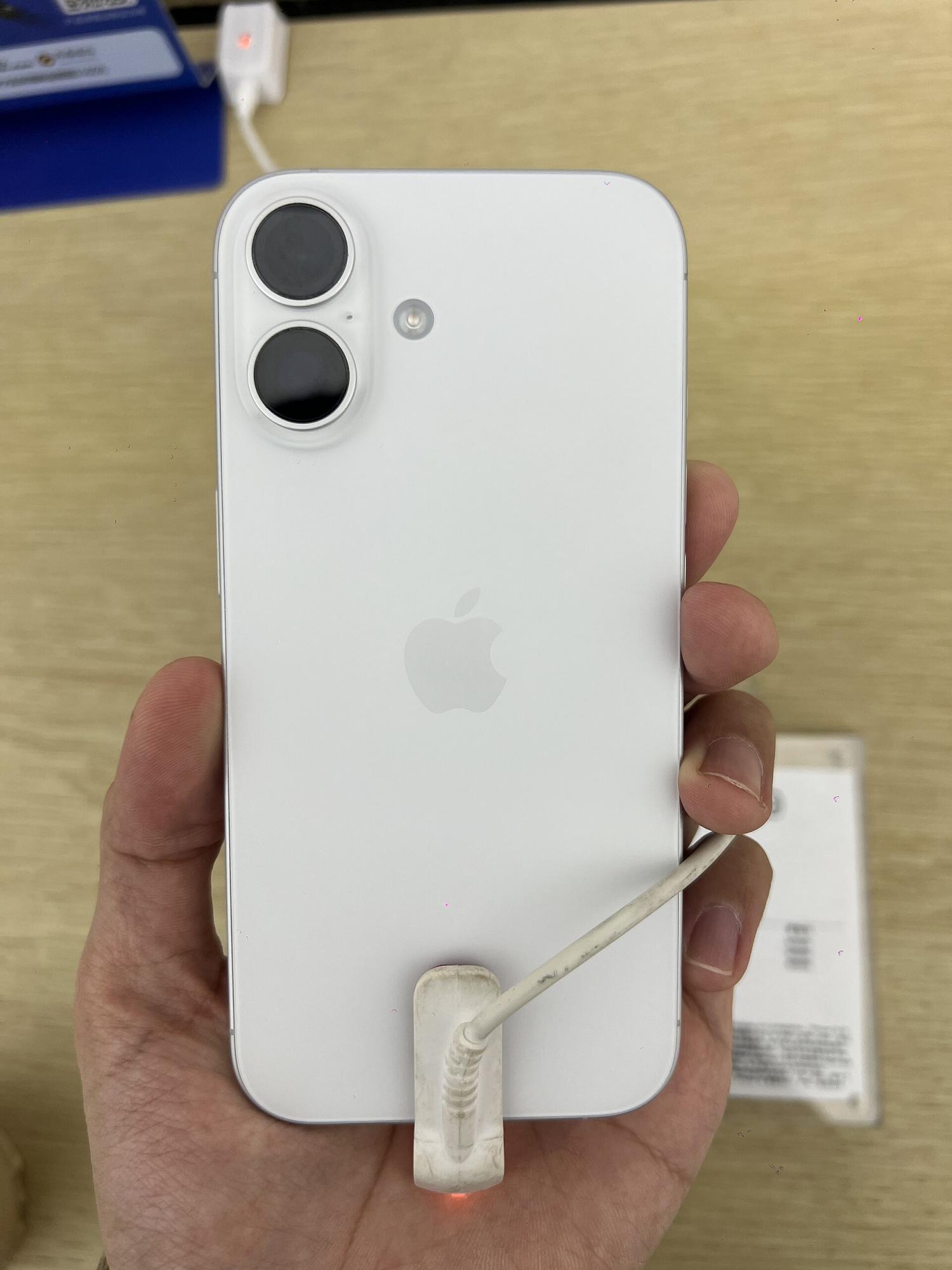 iPhone 16 (photo: wikipedia.org)
2025 — iPhone 17
In 2025, Apple introduced the iPhone 17 with a larger 6.3-inch display featuring ProMotion, the A19 chip, and an updated camera system. The front-facing camera gained the Center Stage feature, while the main and ultrawide cameras received 48-megapixel resolution.
In other words, the smartphone increasingly evolved not through radical changes to its form, but through the technology inside it: cameras, processors, displays, battery life, and software capabilities.
.jpg)
iPhone 17 (photo: wikipedia.org)
2026 — iPhone 18 Pro and Duo
And now we come to the current stage of the evolution — the iPhone 18 Pro and iPhone 18 Pro Max.
Apple introduced them on September 9, 2026. One of the main new features is a 48-megapixel main camera with an adjustable aperture — for the first time on an iPhone, users can manually change this setting. This makes it possible to control depth of field and the amount of light reaching the sensor.
The smartphones are powered by the new A20 Pro, built using a 2nm process. Apple also says it has improved the cooling system and performance, particularly for sustained workloads.
Another change concerns the Dynamic Island: it has become more compact and can display up to three Live Activities simultaneously.
But perhaps the most interesting direction is artificial intelligence. The iPhone 18 Pro runs on iOS 27 and the new Siri AI, which is designed to better understand personal context, work with information on the screen, and help users perform actions within the system.
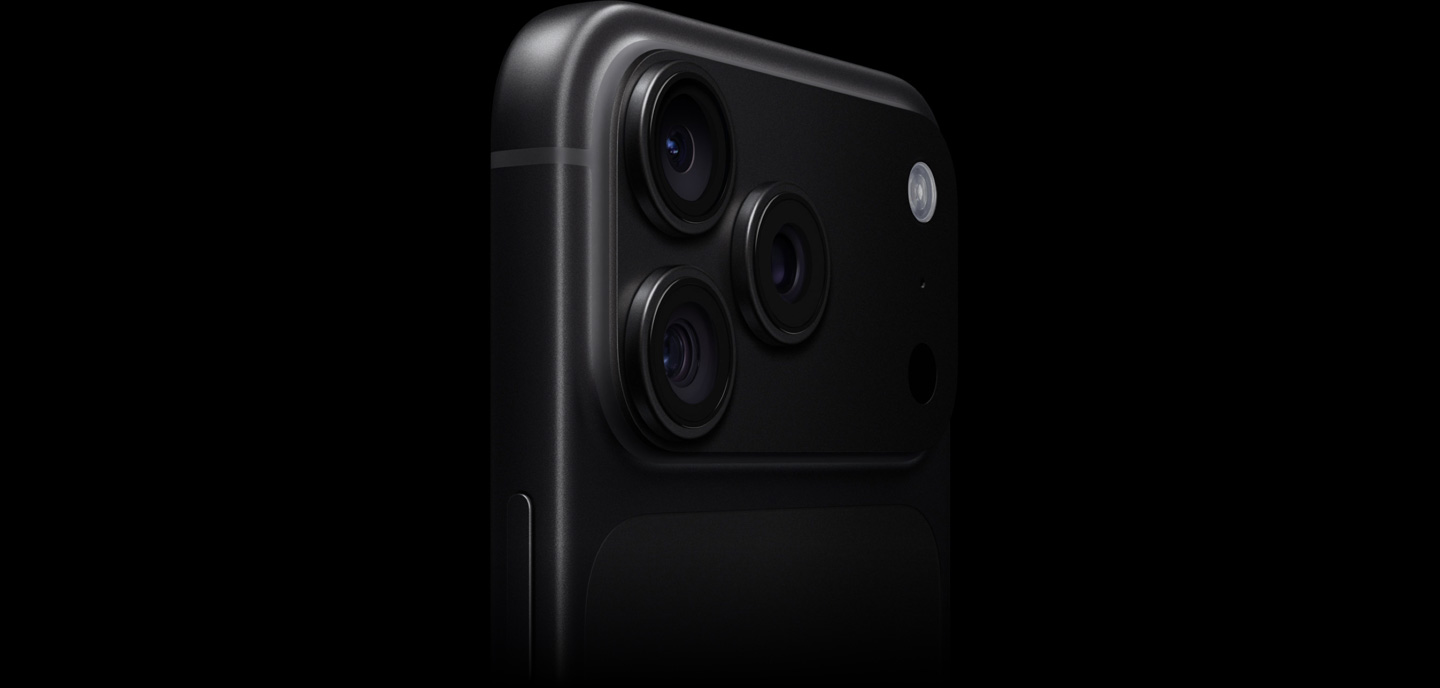
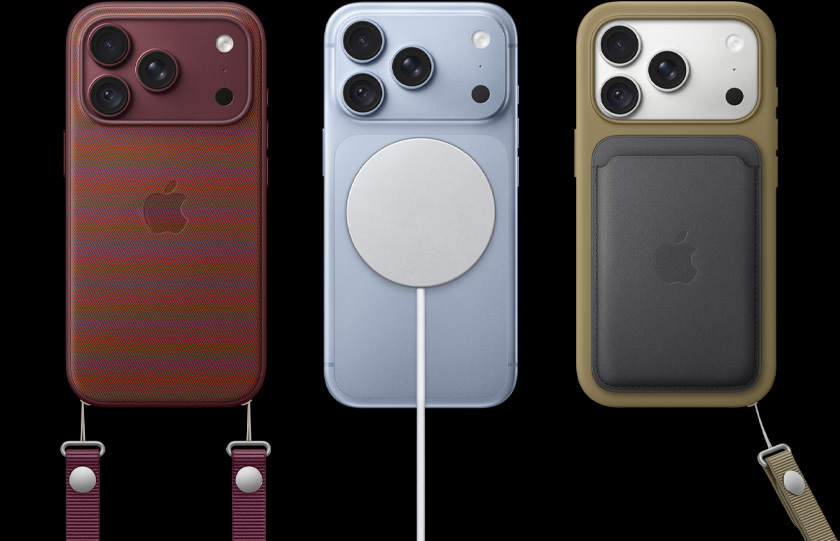
iPhone 18 Pro (photo: apple.com)
iPhone Duo is Apple’s first foldable smartphone, introduced in 2026. When folded, it has a compact form factor, while unfolded, it transforms into a device with a large 7.6-inch display.
The model features a titanium body, the A20 Pro chip, and upgraded cameras. It is the first iPhone to combine the form factor of a smartphone with that of a compact tablet.
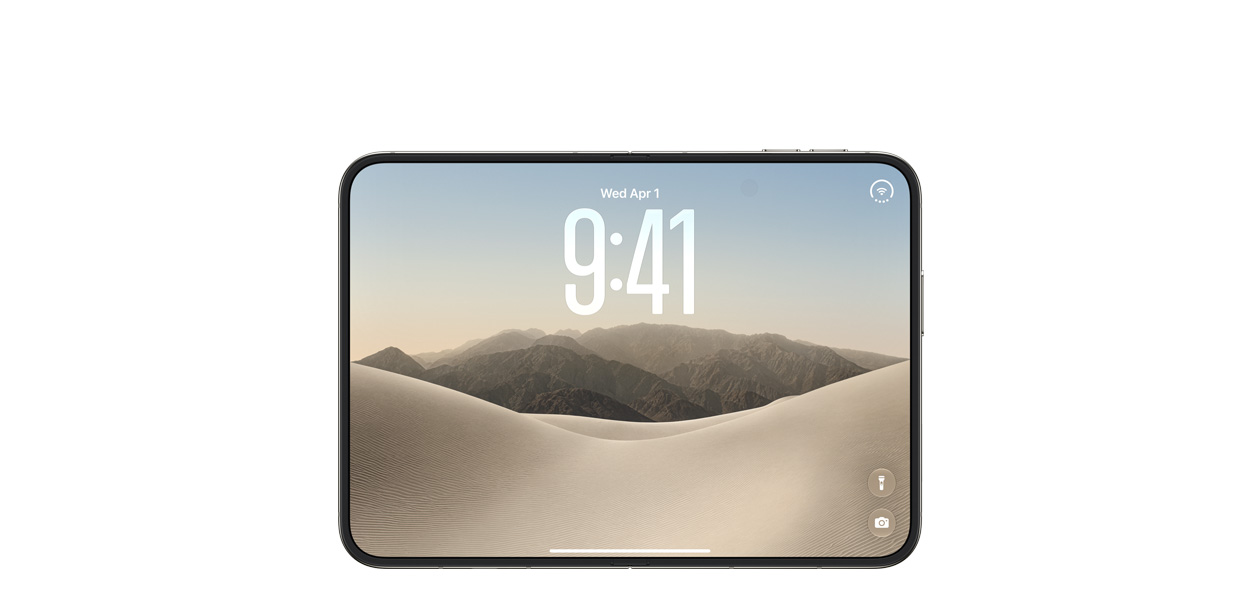
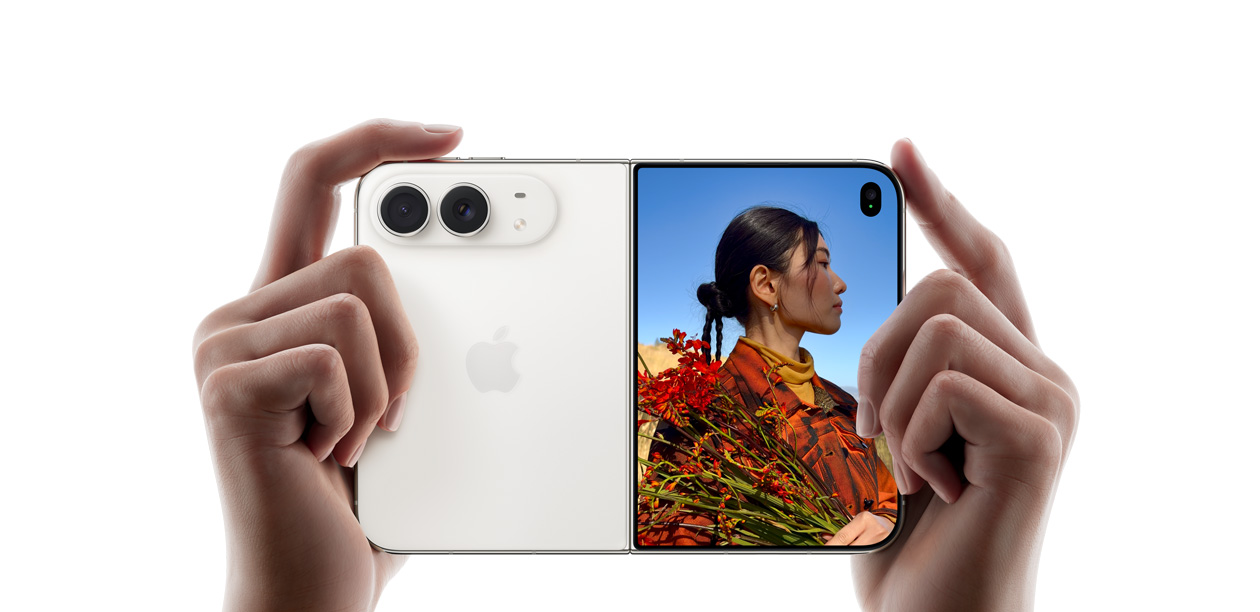
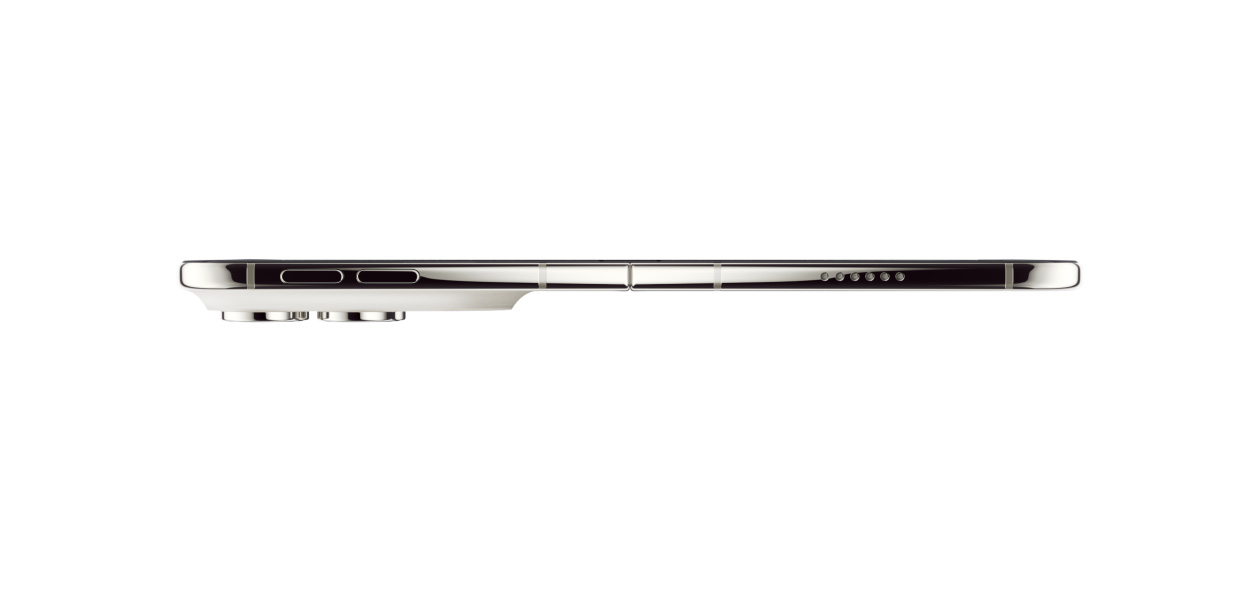 iPhone 18 Duo (photo: apple.com)