Fragment of Russian space rocket may fall over Poland

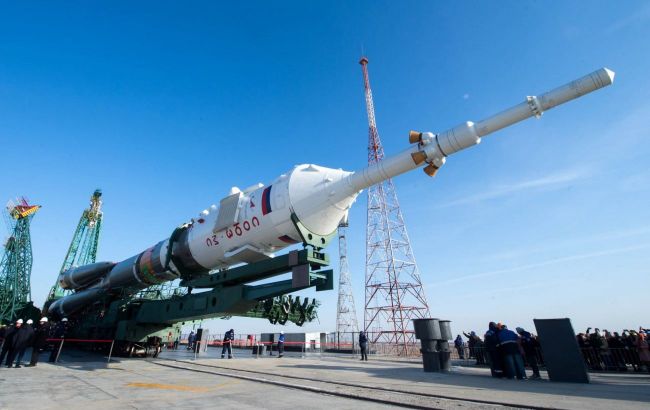 Photo: launch of a Russian space rocket (Getty Images)
Poland's space agency, Polish Space Agency (POLSA), has warned that part of a Russian rocket — the Fregat module weighing about one ton — could re-enter the atmosphere over Poland between May 16 and May 17. It is possible that some fragments may not burn up completely and could fall to the ground, according to POLSA.
What is known about the object
Fregat is the upper stage of the Soyuz-2.1b launch vehicle that was launched in March from the Plesetsk Cosmodrome. The module is equipped with fuel tanks and control systems. It is currently in orbit and is expected to re-enter the atmosphere soon.
According to POLSA's calculations, this could happen between 8:43 a.m. on May 16 and 1:49 p.m. on May 17 local time in Poland. The projected trajectory covers a large part of Europe.
Is there a threat?
Experts cannot determine with certainty whether the object will fully burn up during re-entry due to the lack of complete data about the module's design and materials. Such incidents are extremely rare, but for large structures, the possibility of debris falling to the ground cannot be ruled out.
POLSA is urging the public to avoid misinformation and rely only on verified data, as calculations may change even a few hours before the object enters the atmosphere.
Falling space debris is not uncommon amid active rocket launches by various countries. Meanwhile, Ukraine has begun deploying its own satellite network — Fire Point is preparing dozens of satellites to reduce dependence on the US. The first two satellites are already in orbit.
At the same time, major developments are unfolding in the space industry: SpaceX has connected two stages of its upgraded Starship Version 3 rocket for the first time at its Texas launch site. The model is taller and significantly more powerful than its predecessors, and its first test could take place as early as May 19, opening a new phase in preparations for real deep-space missions.