Experts reveal exact age to start anti-wrinkle skincare

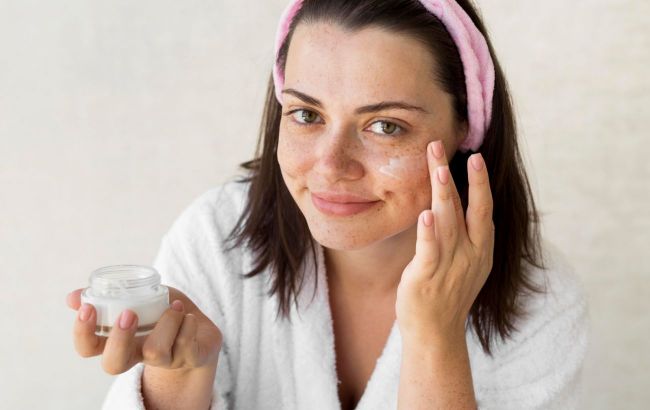 Age to start using anti-wrinkle products revealed (photo: Freepik)
The first signs of aging can appear earlier than many expect. To get ahead of them, anti-wrinkle skincare should ideally be introduced around age 25, according to Houston Methodist.
What you need to know
Cosmetologist Annie Kristensen explained that most people only start taking an interest in anti-aging skincare between the ages of 40–50.
According to the expert, healthy skincare habits should be formed as early as possible. Simple routines are key – like applying sunscreen and using a gentle cleanser – because they protect the skin from irritants and bacteria, nourish it, and shield it from harmful UV rays. All of this helps slow down the aging process.
“Your skin is already starting its slow downhill trajectory around age 25. So this is when we start discussions about adding additional steps to our skin care routine,'' she added.
How to care for your skin
No anti-aging skincare routine works the same for everyone, but to reduce wrinkles, experts recommend:
-
Daily sunscreen with SPF 30 or higher;
-
Chemical peels;
-
Retinol, but only under a cosmetologist’s guidance;
-
Antioxidant serums such as vitamin C or niacinamide;
-
Daily cleansing and moisturizing;
-
Regular facials and other skincare treatments;
Facials provide the skin with nutrients, helping maintain its health. Chemical peels encourage overall cell renewal, smoothing the skin’s surface and reducing wrinkles.
Factors that accelerate skin aging
External factors:
-
UV radiation (sun, tanning beds) – the main cause of photoaging, leading to wrinkles, pigmentation, and loss of elasticity;
-
Smoking – reduces blood flow, damages collagen and elastin;
-
Pollution, toxins, chemicals;
-
Improper care – harsh products, frequent use of alcohol-based products, insufficient moisturizing
-
Excessive alcohol disrupts hydration and skin nutrition;
Internal factors:
-
Genetics – determine baseline aging rate, skin thickness, and elasticity;
-
Hormonal changes – declining estrogen levels reduce collagen production;
-
Chronic stress and lack of sleep – increase cortisol, which breaks down collagen;
-
Nutrient deficiencies – vitamins A, C, E, and omega-3 fatty acids are important for maintaining skin structure.
This material is for informational purposes only and should not be used for medical diagnosis or self-treatment. Our goal is to provide readers with accurate information about symptoms, causes, and methods of detecting diseases. RBС-Ukraine is not responsible for any diagnoses that readers may make based on materials from the resource. We do not recommend self-treatment and advise consulting a doctor in case of any health concerns.