Europe uses goats to stop deadly wildfires before they start

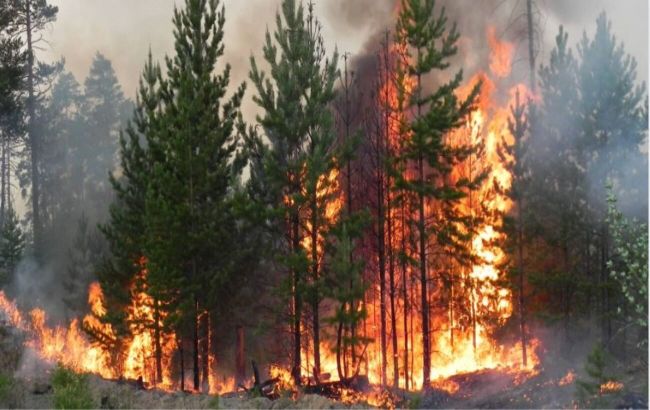 Photo: forest fires in Europe (from open sources)
Preventing future forest fires in Europe may depend on having enough goats. Researchers believe that livestock grazing on shrubs curbs the spread of fire in some regions of Spain, according to POLITICO.
The idea of using livestock grazing in Europe to create firebreaks in the landscape is gaining traction as a serious solution, officially endorsed this year by the European Commission and leading farming organizations.
Researchers believe that livestock grazing on shrubs curbs the spread of fires in the regions of Extremadura, Andalusia, and Valencia in Spain. This is because abandoned agricultural lands become overgrown with shrubs, which dry out or are replaced by vulnerable, homogeneous forests that burn easily.
The Copernicus satellite observatory of the European space program has confirmed that the largest fires currently devastating Europe are indeed occurring in areas where forests and shrubs form large, interconnected landscapes.
However, as the publication writes, although the solution is low-tech, it is not cheap, as shepherds often depend on government subsidies. An even greater obstacle, say fire safety experts, is politicians' focus on extinguishing fires after they have already started, rather than investing in prevention.
And although there is enough natural feed for goats, the market does not offer particular incentives for shepherds. José María Castilla from the Spanish farming lobby ASAJA said that it is impossible to attract young people to goat farming without making it profitable.
He argued that the solution lies in creating a special fund, following the same logic as the EU's response to the coronavirus in 2020.
Heatwave in Europe
As is known, the heatwave in Europe, which has killed thousands of people, has caused massive forest fires. This concerns, in particular, France and Spain. People were evacuated from dangerous regions, and authorities declared a state of emergency.
Specifically, uncontrolled forest fires in Spain and France forced more than 250,000 people to flee – authorities in both countries attempted to contain the flames.
Scientists had previously warned that 2026 could be among the warmest years in recorded history due to the expected intensification of global warming.
According to scientists' forecasts, further global warming could lead to more frequent and intense heatwaves, droughts, floods, and other extreme weather events.
Researchers also warn of rising sea levels, biodiversity loss, risks to agriculture and food security, and growing threats to public health in many regions of the world.