EU races to approve new sanctions on Russian oil and shadow fleet

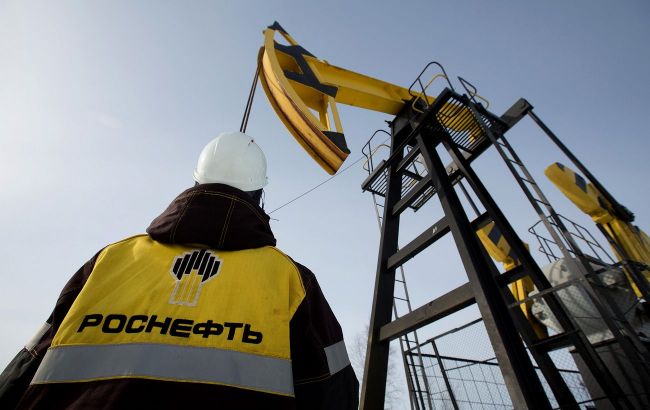 Europe is set to impose new sanctions on Russian oil (photo: Getty Images)
The European Union is moving quickly to approve its 21st package of sanctions against Russia. The measures are expected to target Russian oil companies and the country's shadow fleet, though there is a caveat, Politico reports.
The outlet notes that the European Union could approve the next sanctions package as early as next week. It is expected that companies Lukoil and Rosneft will be targeted by the new restrictions. Under the new package, sanctions against them could become significantly tougher, up to a full asset freeze within the bloc.
In addition, the list of sanctioned vessels in Russia's shadow fleet is expected to be expanded. The bloc intends to intensify efforts against the provision of various services to them, including insurance.
At the same time, Politico writes that a full ban on providing maritime services related to the transportation of Russian oil is unlikely to be introduced.
Price cap and personal sanctions
The document is expected to formalize the price cap on Russian oil. Most likely, it will remain at the current level of $44.10 per barrel, despite the overall rise in global oil prices due to the conflict in the Middle East.
In addition, European leaders are discussing the possibility of imposing sanctions on Patriarch Kirill, head of the Russian Orthodox Church. Previously, this move was blocked by Hungary under Viktor Orbán's government, but that position may now change.
On April 23, the EU approved its 20th package of anti-Russian sanctions, the most extensive in the past two years. The restrictions target the energy sector, the military-industrial complex, and the financial sector.
In particular, the European Union expanded its sanctions lists by adding 58 companies involved in the production of drones and other weapons.
The EU also used its anti-circumvention instrument for the first time, banning exports of computer numerical control (CNC) machine tools and radio receivers to Kyrgyzstan due to the possibility of their re-export to the aggressor state.
The European Union has imposed new sanctions on Russian officials and organizations involved in the deportation of Ukrainian children and their subsequent ideological indoctrination.