EU falls short of Russian energy exit plan: Here’s what comes next

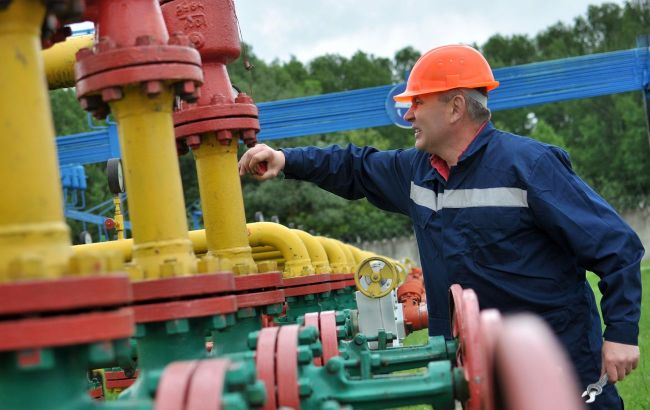 Photo: Europe remains partially dependent on Russian gas and oil (Getty Images)
The European Union is facing challenges in weaning itself off Russian oil and gas, according to Reuters.
It is reported that the bloc is underinvesting in supply diversification, renewable energy, and grid development, according to the European Court of Auditors.
As is known, the EU has gradually reduced imports of Russian energy since the start of Russia’s full-scale invasion of Ukraine. In particular, sanctions have nearly halted seaborne imports of Russian crude oil, and Russia’s share in EU gas imports has dropped from 45% to 12%.
At the same time, auditors believe that the program to phase out Russian energy is facing difficulties precisely at the moment when Europe’s energy security is again under threat - due to the situation in the Middle East.
Europe enters winter with low gas reserves
One of the key problems is filling gas storage facilities before winter. Currently, they are only about 67% full, compared to nearly 80% at the same time last year.
Analysts warn that this could lead to sharp increases in gas prices during the winter months. An additional risk factor will be the planned full ban on Russian liquefied natural gas (LNG) imports, set to take effect on January 1, 2027.
European auditors noted that the reduction in Russian gas dependence has been partly due to favorable circumstances - not political action. This includes mild weather and high energy prices, which reduced demand.
Therefore, the European Commission has been advised to more actively monitor the implementation of the plan to cut reliance on Russian energy.
EU has invested far less than planned
Initially, the European Commission estimated that about €300 billion in investments would be needed to fully replace Russian energy sources. These funds were supposed to come from the EU budget.
However, so far, EU countries have committed only €54.3 billion to this effort.
Auditors suggest that this discrepancy either indicates an incorrect initial assessment of investment needs - or that EU member states are unable to properly implement the planned measures.
In response, the European Commission stated that EU actions and funding have already accelerated the development of renewable energy and drastically reduced Russian gas imports.
"The Commission will follow up on the ECA recommendations," said an EU spokesperson.
Last year, the European Union announced that it was gradually phasing out Russian fossil fuels - partly in line with demands from US President Donald Trump.
At the time, Hungary and Slovakia were particularly resistant. However, as of today, it has become clear that they are not the only countries struggling to cut dependence on Russian energy.