EU extends economic sanctions on Russia through mid-2026

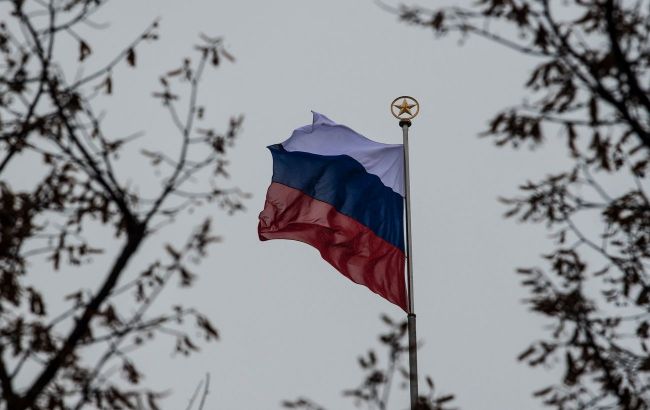 Photo: The European Union extends economic sanctions against Russia until mid-2026 (Getty Images)
On Monday, December 22, the Council of the European Union decided to extend economic sanctions against Russia for another six months — until July 31, 2026, according to the EU Council.
“Today the Council renewed the EU restrictive measures in view of the Russian Federation’s continuing actions destabilising the situation in Ukraine for a further 6 months, until 31 July 2026, ” the statement said.
Brussels noted that the restrictions cover a wide range of measures, including trade, finance, energy, technology, dual-use goods, industry, transport, and luxury items.
The sanctions also include a ban on the import or maritime transport of crude oil and certain petroleum products from Russia to the European Union, the removal of several Russian banks from the SWIFT system, and the suspension of operations and licenses in the EU for several Kremlin-backed disinformation media outlets.
In addition, specific measures allow the EU to counter attempts to circumvent sanctions.
“As long as the illegal actions by the Russian Federation continue to violate fundamental rules of international law, including, in particular, the prohibition on the use of force, it is appropriate to maintain in force all the measures imposed by the EU and to take additional measures, if necessary,” the statement said.
Brussels also stressed that the EU remains ready to further increase pressure on Russia, including through the introduction of additional sanctions.
Sanctions against Russia
It should be recalled that restrictions against the Russian Federation were first imposed in 2014 following the illegal annexation of Crimea and were significantly expanded from February 2022 in response to Russia’s full-scale invasion.
Since February 24, 2022, the EU has adopted 19 sanctions packages in response to Russia’s full-scale invasion of Ukraine.
The package approved in October предусматриває a ban on imports of liquefied gas from Russia and tightens restrictions on transactions involving Rosneft and Gazprom Neft.
On December 15, it also became known that the European Council imposed new sanctions on nine individuals and entities that facilitate the operation of Russia’s so-called shadow fleet.