Ear piercing in young children: Risks parents need to know

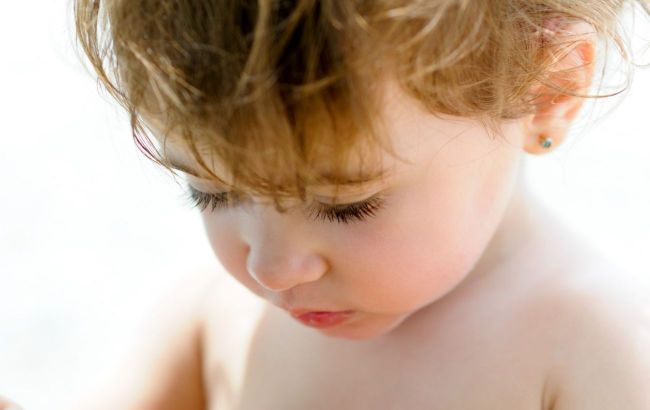 Pediatrician explains why children shouldn’t get their ears pierced (photo: Magnific)
Parents are being warned against early ear piercing in children. A procedure that may seem like a harmless cosmetic detail can lead to infections, allergic reactions, and psychological discomfort in young children, according to pediatrician Dariia Vlasenko’s Instagram.
Why ear piercing in children is not recommended
According to the doctor, small children are more likely to touch their ears with dirty hands, cannot properly report problems such as embedded earring backs, and are not able to give full consent.
“In toddlers and preschoolers, this is not a medical procedure but a cosmetic one, so the key issue is that the body belongs to the child and they should make the decision,” the statement says.
Most often, early ear piercing is based on the assumption that infants will not remember the pain. However, there is a risk of serious complications.
Risks and complications
Typical complications after earlobe piercing include infection, embedding of the earring or clasp, allergic contact dermatitis, keloid or hypertrophic scarring, and traumatic tearing of the earlobe.
For cartilage piercings, the risk is higher. Due to poor blood supply in cartilage, infections there are more severe, harder to treat, and may lead to permanent ear deformity.
“Therefore, for young children, it is appropriate to discuss only earlobe piercing,” the doctor added.
Nickel allergy is a very common and potentially serious problem. The first earrings should be made of low-allergen materials.
Warning signs
Symptoms of complications include:
- increasing pain
- redness and pus
- ear hot to the touch, fever
- embedded earring back
- thickening of the skin around the piercing
- previously unnoticed asymmetry
If infection is suspected, the earring should not be removed on your own unless a doctor advises otherwise, as closing the channel may worsen drainage.
The doctor noted that earring embedding occurs in 25 out of 100,000 pediatric emergency visits.
Proper preparation
The procedure should be postponed if the child is ill, has dermatitis, eczema, injury or infection in the ear area, is very scared, does not allow the ears to be examined, or actively resists.
Before the procedure, it is important to check the material of the jewelry. The safest starter materials for ear piercing are implant-grade titanium, niobium, platinum, or high-quality 14–18k gold without nickel and cadmium.
This material is for informational purposes only and should not be used for medical diagnosis or self-treatment. Our goal is to provide readers with accurate information about symptoms, causes, and methods of detecting diseases. RBС-Ukraine is not responsible for any diagnoses that readers may make based on materials from the resource. We do not recommend self-treatment and advise consulting a doctor in case of any health concerns.