Dirty toys? Best ways to kill bacteria fast named

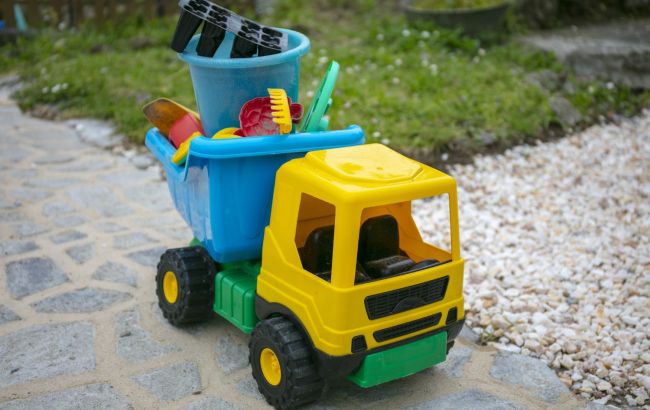 How to properly wash children's toys (photo: Freepik)
Parents often do not think about how many bacteria accumulate on children's toys, even though they come into contact with little ones' hands and faces every day. Regular and proper cleaning of toys is not just a matter of cleanliness, but an important condition for a child's health, according to the Good Housekeeping website.
Frequency of washing
How often toys need cleaning depends on how frequently they are played with. It is always important to clean and disinfect toys more often when a child is sick. Types of toys:
- Hard plastic toys and bath toys – they should be cleaned and disinfected weekly if played with daily.
- Stuffed toys – they can often be washed in a washing machine and dried in a dryer, so they can easily be washed once a week (especially if children sleep with them), once every two weeks, or as needed.
- Electronic toys – they are only safe for surface cleaning and should be disinfected weekly and always when the child is sick.
Vinegar is an excellent household agent for removing grease and limescale. Although it can kill some strains of germs, it is not powerful enough to achieve a sanitizing or disinfecting effect.
How to clean bath toys
Hard plastic toys, such as rubber rings, animal figures, building blocks, and bricks, can be easily washed on the top rack of the dishwasher. Here's how:
- Securely place large toys between the tines of the rack, and put small parts in a mesh bag so they don't get scattered by the strong water jets.
- Select a normal or sanitizing cycle and dry; also be sure to air them out thoroughly or dry with a towel.
Bath toys with holes in the bottom are especially problematic. When water gets inside, mold appears. Even mesh toy containers may not allow enough air circulation for the inside to dry completely.
The safest approach is to avoid using hollow toys with holes — even rubber ducks in the bath — but if you do use them, be sure to vigorously shake or squeeze out as much water as possible and let them dry thoroughly in the air after each use.
How to wash plush toys in a washing machine
Colorful, solid-colored soft toys and fabric books are usually safe to wash in a washing machine. Sturdy plush toys can be washed and dried on sanitizing cycles if the machines have them.
Here's how to wash them properly:
- First, place the plush toys in a pillowcase to protect them, and tie the top with a knot.
- Select a delicate cycle, warm water, and a slow spin.
- Dry the toy (still in the pillowcase) in a dryer on low heat, or place it on a rack to air dry.
- For a more delicate approach, use a hair dryer on low heat and low speed.
Never wash plush toys with built-in batteries, noise-making devices, or other metal parts, as water can damage them. Make sure all decorations and buttons are securely attached, and any tears or holes are mended.
How to clean electronic toys
Like a television remote control, electronic toys usually only require surface cleaning. First, turn off and unplug the toy, or remove the batteries.
Then follow these tips:
- Dampen a clean cloth in warm, soapy water and wipe the toy thoroughly to remove dirt and dust.
- Make an extra pass over sticky spots, around buttons, and in crevices, being careful not to let liquid get into the electrical components.
- Rinse with a clean, well-wrung damp cloth and air dry.
- To kill bacteria and viruses on the surface, use a disinfecting wipe.
- If this toy may end up in your child's mouth, rinse it thoroughly with a clean, damp cloth and let it air dry again.