Cut stroke risk by 25%: Scientists reveal brain-saving diet

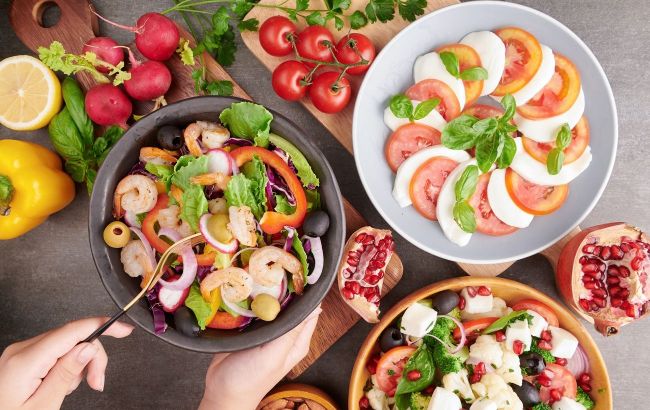 Photo: Foods that can reduce stroke risk (Freepik)
It turns out that the favorite diet of centenarians can protect against the most dangerous type of stroke – hemorrhagic stroke.
Neurology Open Access explains what to eat to cut stroke risk by 25%.
Study results
The new research, published on February 4, 2026, spanned over 20 years and included 105,000 women.
Scientists from City of Hope (California) made a discovery that changes the approach to preventing vascular catastrophes.
Women who adhered most closely to the Mediterranean diet reduced their overall stroke risk by 18%. Most impressively, the risk of hemorrhagic stroke (brain bleeding, the hardest to treat) dropped by as much as 25%.
Previously, it was believed that diet had little effect on this type of stroke.
Fewer clots: The risk of ischemic stroke (blood vessel blockage) fell by 16%.
Study co-author Sophia Wang noted that, for the first time, this type of diet is highly effective against brain hemorrhages, highlighting that proper nutrition is a crucial preventive measure accessible to everyone.
What to eat (short checklist):
You don’t need to live in Italy to gain this protective effect. Just adjust your plate:
-
Base: plenty of greens, vegetables, nuts, legumes, and whole grains.
-
Fats: olive oil instead of butter.
-
Protein: fish and seafood (at least twice a week), less red meat.
-
Avoid: processed foods, excess sugar, and refined products.
Why it matters now
Stroke remains one of the leading causes of disability worldwide. This discovery gives hope: a simple adjustment to your diet can become the "shield" that protects you from a hospital bed in 10 or 20 years.
This material is for informational purposes only and should not be used for medical diagnosis or self-treatment. Our goal is to provide readers with accurate information about symptoms, causes, and methods of detecting diseases. RBС-Ukraine is not responsible for any diagnoses that readers may make based on materials from the resource. We do not recommend self-treatment and advise consulting a doctor in case of any health concerns.