Caspian Sea becomes key supply route between Russia and Iran

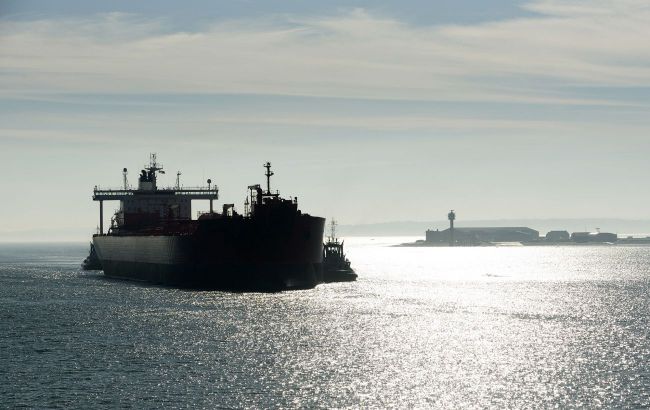 Photo: Oil tanker (Getty Images)
Due to risks in the Strait of Hormuz area and instability in the Middle East, the Caspian Sea has become one of the safest routes for transporting Russian cargo to Iran, reports the NYT.
Moscow and Tehran are increasingly using the Caspian region as an alternative trade and military logistics route.
The sides are paying special attention to developing port infrastructure, shipping, and the North-South transport corridor, which is meant to connect Russia with Iran and the Persian Gulf countries.
The Caspian is becoming a strategic route
As the NYT notes, due to risks around the Strait of Hormuz and instability in the Middle East, the Caspian Sea has become one of the safest routes for transporting Russian cargo to Iran.
In recent years, Russia has been actively increasing exports through Caspian ports, including grain and oil products. Moscow is also investing in the modernization of ports in Astrakhan and Makhachkala.
In addition to the economic component, the region is also gaining military significance. According to Western media reports, Russia uses the Caspian Flotilla to launch cruise missiles, while Ukraine has recently demonstrated the ability to strike targets even in this region.
Moscow fears the war could spread
The Kremlin has openly expressed concern over the possible spread of the conflict around Iran to the Caspian Sea. Russian authorities consider the region critically important for their own security and economy.
Earlier, Russian Foreign Minister Sergey Lavrov said the Caspian should remain a “zone of peace and cooperation.” At the same time, the Kremlin warned that any escalation in the waters would be viewed “extremely negatively.”
Why it matters
The Caspian Sea borders five countries — Russia, Iran, Azerbaijan, Kazakhstan, and Turkmenistan — and remains one of the key centers of energy and logistics in Eurasia.
Due to sanctions and international isolation, Moscow and Tehran are becoming increasingly dependent on mutual trade and alternative supply routes.
Earlier, the US Treasury Department announced sanctions against 10 individuals and entities that helped the Iranian military obtain weapons and raw materials used to produce Shahed-type drones.
Meanwhile, several days ago, The Wall Street Journal reported that Chinese companies are openly supplying components for the production of Shahed-type drones to Iran and Russia, bypassing US and European sanctions.