Bulgaria drops threat to block new EU sanctions on Russia despite objections

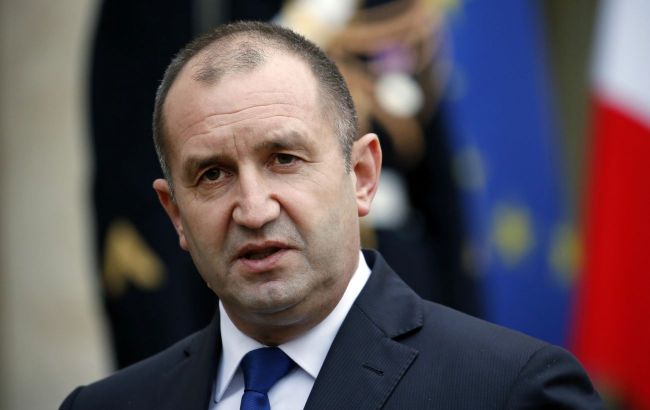 Photo: Bulgarian Prime Minister Rumen Radev (Getty Images)
Bulgaria will not block the European Union's 21st package of sanctions against Russia and Belarus, despite maintaining objections to several individuals included on the sanctions list, according to Bulgarian outlet Novinite.
Bulgaria changes its position
The Bulgarian government has approved its official position on the new sanctions package. While Sofia will continue to raise concerns over several issues, it will not block the package.
The move marks a significant shift from earlier statements by Prime Minister Rumen Radev.
Following the European Council meeting in Brussels on June 19, he said Bulgaria would oppose the package in its current form and use its right to vote against it.
"We will not let the sanctions go in this form, we have the right to vote, and we will use it," Radev said at the time.
Objection over Patriarch Kirill
Bulgaria's main objection remains the possible inclusion of Russian Patriarch Kirill on the EU sanctions list. Sofia argues that sanctioning him would have no meaningful economic impact on Russia and would not help end the war in Ukraine.
The government states that the move would likely be used for propaganda purposes, particularly to fuel anti-European sentiment.
Radev also referred to history, claiming that the Russian Orthodox Church had "played a role in Bulgaria's liberation from Ottoman rule."
Lukoil shareholder
Another objection concerns sanctions against Vagit Alekperov, the former president and current shareholder of Russian oil giant Lukoil.
According to Sofia, restrictions against Alekperov could harm Bulgaria's economy because Lukoil companies play a significant role in the country.
Radev also cited financial concerns, noting that Lukoil has filed a €3 billion arbitration claim against Bulgaria.
"We will not allow sanctions to be imposed on Vagit Alekperov. This means that we will shoot ourselves in the foot," he said.
Alekperov stepped down as Lukoil's president in April 2022 after being sanctioned by the United States, the United Kingdom, and Australia. He owns around 3.12% of the company's shares and says he is no longer involved in its management.
Sofia metro and fertilizers
Bulgaria has also raised concerns over sanctions that could affect the supply of spare parts for the Sofia metro system.
The government has not disclosed details, but media reports say Sofia opposes sanctions against Russian railway businessman Iskandar Makhmudov due to risks regarding metro train maintenance.
In addition, Bulgaria objects to the possible inclusion of Russian Sports Minister Mikhail Degtyarev on the sanctions list, arguing that sport should not be targeted by EU sanctions.
Another concern involves sanctions against Togliattikhimbank, which is linked to Russian fertilizer exports. Bulgarian authorities fear the restrictions could affect fertilizer availability and drive up prices.
Radev, who leads Bulgaria's government, is known for his pro-Russian views. Shortly after taking office, Bulgaria decided to halt weapons supplies to Ukraine.
In May, Radev urged the EU to take the lead in negotiations with Russia to end the war in Ukraine, warning European countries against trying to defeat Moscow by military means.
In June, the Bulgarian Prime Minister pledged to block the EU's 21st sanctions package against Russia.