Beetroot or tomato: Which has more anti-inflammatory benefits?

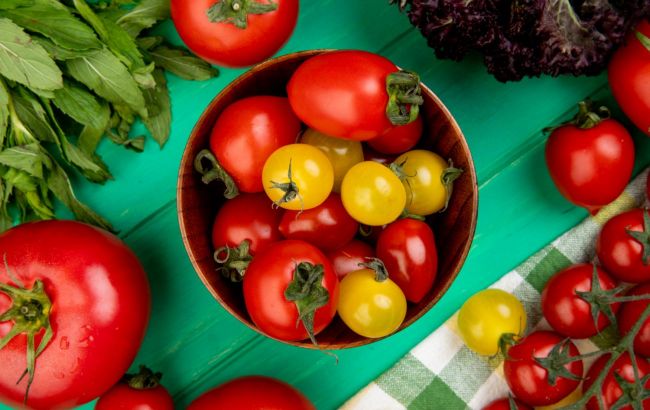 Which vegetable protects better against inflammation – beetroot or tomato (photo: Freepik)
Beets and tomatoes have anti-inflammatory properties, but they work differently. One acts through nitrates and pigments, the other through lycopene and vitamin-based antioxidant protection, according to Eating Well.
Benefits of tomatoes
Whether you enjoy whole tomatoes, tomato paste, or tomato sauce, you get a healthy dose of antioxidants. Tomatoes get their bright red color from lycopene – an antioxidant that suppresses inflammation in the body.
A study published on PubMed found that, partly due to its anti-inflammatory properties, lycopene may help prevent cancer, heart disease, and other inflammatory conditions.
Lycopene also helps protect cells from oxidative stress. It is best absorbed after cooking (sauces, stews).
Beet effects on inflammation
This tasty root vegetable is full of anti-inflammatory compounds called betalains – pigments that give beetroot its deep, rich, and beautiful color. These powerful antioxidants prevent inflammation.
Beets are also rich in dietary nitrates, which increase nitric oxide levels in the blood and can help reduce inflammation, lower blood pressure, and improve vascular function.
Typical serving for a healthy person:
- 100–200 g per day (roughly 1 small beet)
- Or 2–4 times a week in this amount
This is considered moderate and well-tolerated by most people.
Which is better to eat
Beets and tomatoes contain different antioxidants and beneficial compounds. The first fights inflammation with betalains and nitrates – antioxidants that reduce inflammation and support heart health.
If you have high blood pressure, beets are a better choice. Their nitrates are especially helpful for widening blood vessels, which lowers blood pressure.
Meanwhile, lycopene in tomatoes is a more powerful antioxidant for reducing inflammation.
Tips to make your diet rich in anti-inflammatory compounds:
- Limit added sugar – consume foods in moderation and favor natural sugars when you crave something sweet
- Eat a balanced diet – try to include a combination of whole grains, lean protein, healthy fats, fruits, and vegetables. Each of these food groups provides different nutrients to support body health and control inflammation
- Add flavor with herbs and spices – they not only enhance taste but also contain anti-inflammatory compounds. Excess sodium intake is linked to higher inflammation, so replacing salt with herbs and spices is the best option
- Eat plant-based proteins – legumes, nuts, seeds, and soy products are key to anti-inflammatory diets. They are rich in antioxidants and other plant compounds
- Eat plenty of fruits and vegetables – these foods are rich in antioxidants and other plant compounds that help prevent inflammation
You might also be interested in:
This material is for informational purposes only and should not be used for medical diagnosis or self-treatment. Our goal is to provide readers with accurate information about symptoms, causes, and methods of detecting diseases. RBС-Ukraine is not responsible for any diagnoses that readers may make based on materials from the resource. We do not recommend self-treatment and advise consulting a doctor in case of any health concerns.