Austria considers extending military service over Ukraine war

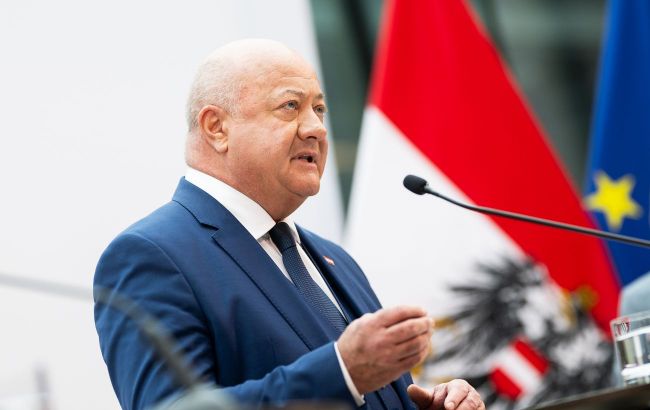 Photo: Austrian Chancellor Christian Stocker (Getty Images)
Austria's government is planning to extend mandatory military service from six to nine months in response to the changing security environment caused by Russia's war against Ukraine, Reuters reports.
According to the outlet, for decades Austria's neutral armed forces have primarily served as a civil protection force, assisting emergency services during natural disasters.
These duties have included responding to floods and wildfires, as well as patrolling the country's borders to intercept illegal migrants. The military has largely been structured for domestic support rather than defending against a foreign military invasion.
Against this backdrop, Austria is now reassessing its security policy.
"The security conditions have changed fundamentally in the past years, months and weeks. The dream of a lasting peace in Europe shattered at the latest with the Russian war of aggression against Ukraine," Austrian Chancellor Christian Stocker said during a press conference at a military barracks near Salzburg.
According to Stocker, Austria is also facing new threats, including hybrid attacks and cyber warfare.
"These developments show clearly that Austria must take charge to a greater extent of its own capabilities for self-reliance and protection of the population," the chancellor added.
Currently, Austrian men, usually around the age of 18, can choose between six months of military service or a nine-month civilian alternative, usually working in ambulance services or retirement homes.
The government also said it plans to allow participants in the civilian service program to voluntarily extend their service by two months.
In addition, Austria plans to introduce a reservist military service model under which conscripts would be required to undergo refresher training over 10 years after beginning their service.
To make military service more attractive, the government is proposing incentives such as holiday days and nearly doubling monthly pay to €1,000.
However, implementing these reforms will require a two-thirds majority in parliament, meaning the government will need support from either the opposition Green Party or the far-right Freedom Party of Austria.
What else to know
A year ago, Austrian Foreign Minister Beate Meinl-Reisinger said that neutrality no longer guarantees Austria's security and called for an open debate on the country's possible membership in NATO.
Earlier this year, Kyiv Mayor Vitali Klitschko met with Austrian Minister for Economic Affairs, Energy and Tourism Wolfgang Hattmannsdorfer. Following the meeting, Austria announced it would help rebuild Kyiv after the damage caused by the war.