Another European country scraps visa-free travel for Russians and Belarusians

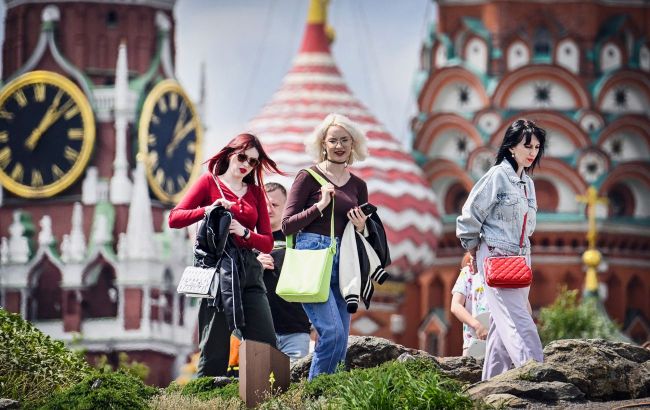 Illustrative photo: Montenegro to scrap visa-free travel for Russians (Getty Images)
Montenegro will abolish its visa-free regime for Russian and Belarusian citizens starting November 1, 2026. The government adopted the decision to bring the country's legislation in line with EU standards, according to the official website of the Montenegrin government.
The Montenegrin government adopted a decree amending its visa regime on July 23, 2026. The main goal of the move is to harmonize the country's legislation with EU standards as it progresses toward full membership in the bloc.
The introduction of visas will allow Montenegro to meet key requirements under Chapter 24 of its accession talks, Justice, Freedom and Security, and fulfill core commitments under its Reform Agenda.
Which countries will be affected?
The new rules will apply not only to Russian and Belarusian citizens. Montenegro is introducing visa requirements for all countries whose entry rules were previously not aligned with EU policy.
Starting November 1, 2026, citizens of five countries will need visas to enter Montenegro:
- Russia;
- Belarus;
- China;
- Saudi Arabia;
- Türkiye.
How visas will be issued
To process applications, Montenegro is expanding its network of visa application centers in partnership with international service provider VFS Global. During the first phase, applicants will be able to submit documents through visa centers in:
- Türkiye, the UAE, and Russia;
- India, Bangladesh, Kyrgyzstan, and Azerbaijan.
The network will later be expanded to Belarus, China, Saudi Arabia, Kazakhstan, Pakistan, Armenia, Uzbekistan, Nepal, and the Philippines.
Montenegro is also developing a Visa Information System compatible with EU databases and Schengen standards. In the future, this will enable the launch of electronic visas (e-Visas) and allow applicants to submit documents online.
Polish ministers Radosław Sikorski and Marcin Kierwiński backed an initiative by 11 countries calling on the European Commission to tighten the issuance of Schengen visas to Russian citizens.
Earlier, Estonia urged EU member states to permanently bar Russian military personnel who took part in the war against Ukraine from entering the Schengen Area. Prime Minister Kristen Michal said such individuals could pose a security threat to Europe as a whole.
The European Commission has also restricted the issuance of multiple-entry Schengen visas to Russians. While existing visas remain valid, obtaining new multi-entry visas has become significantly more difficult.