7 common habits that can quietly damage your plumbing

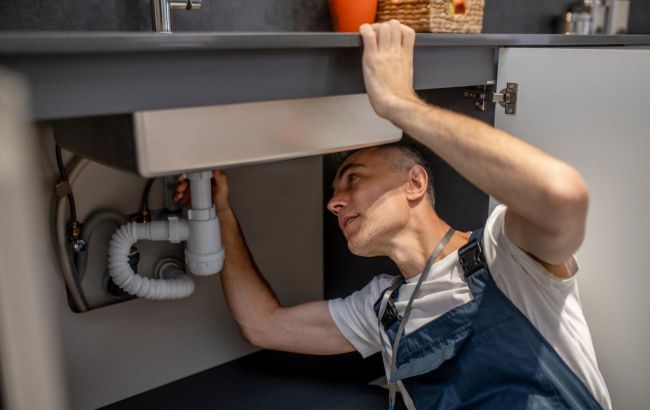 Things that can clog your pipes identified (photo: Freepik)
Some everyday items and habits most often lead to clogs and premature wear of sewer pipes. Even small violations of proper drain use can, over time, result in serious pipe failures and costly repairs, according to Southern Living.
Chemical drain cleaners
These chemical drain cleaners use harsh substances such as sulfuric acid and sodium hydroxide to break down clogs, grease, and hair.
However, drain cleaners can corrode pipes, especially older ones, and often exacerbate existing plumbing issues rather than resolving them. Over time, this can lead to leaks and more serious plumbing problems.
Instead, use a plunger, as plungers are not intended solely for toilets.
Toilet bowl and tank cleaners
These products are inserted and attached inside the toilet, which can make them seem like an easy way to keep the toilet fresh with every flush. However, the active ingredient in these cleaners is chlorine, which can damage the rubber and plastic components inside the tank.
Chlorine causes rubber to harden, even though it needs to remain flexible. Instead, use a liquid toilet cleaner.
Improper use of the drainage system
Not everything should be poured down the drain. Paint, harsh cleaning chemicals, and plant debris should never be washed down a sink, as they can leave residue and buildup that eventually turn into clogs.
You should also avoid putting certain foods, such as potato peels and grease, into a garbage disposal. The starch in potato peels can form a thick paste that blocks pipes, whereas grease builds up over time, attracting small debris and creating major clogs.
To keep your garbage disposal in good working order, run it regularly to prevent the blades from rusting, and always run cold water before and after putting food into the disposal.
Flushing wipes and hygiene products
Wipes, menstrual products, diapers, condoms, and paper towels should never be flushed down the toilet. These items do not break down properly in water and often cause clogs.
Nothing should be flushed down the toilet except organic waste and toilet paper. Everything else belongs in the trash.
Hard water problems
In homes with hard water, the water contains far more minerals than it should. One sign of hard water is a reddish mineral buildup on drains and toilets that requires frequent cleaning.
These mineral deposits can accumulate within pipes, faucets, and showerheads, eventually causing damage or failure.
A water softener is a simple and effective way to deal with hard water.
Pets
Cat litter should never be flushed down the toilet. Even products labeled as “flushable” can expand in water and cause deep clogs in your pipes.
You should also avoid pouring aquarium sand down the drain or washing pet hair into the sink. Instead, throw these materials in the trash.
Cosmetics
Creams, lotions, and hair conditioners contain fats, oils, waxes, and silicones. In cold water, these substances thicken and stick to the inside walls of pipes.
Soap, meanwhile, forms an insoluble residue that gradually builds up and clogs pipes - even without visible debris.
You should also be careful with scrubs and exfoliants, especially those that contain:
- Coffee, sugar, or salt
- Apricot pits or nut shells
- Plastic or mineral particles