6 toxic plants that may trigger lethal reactions if touched

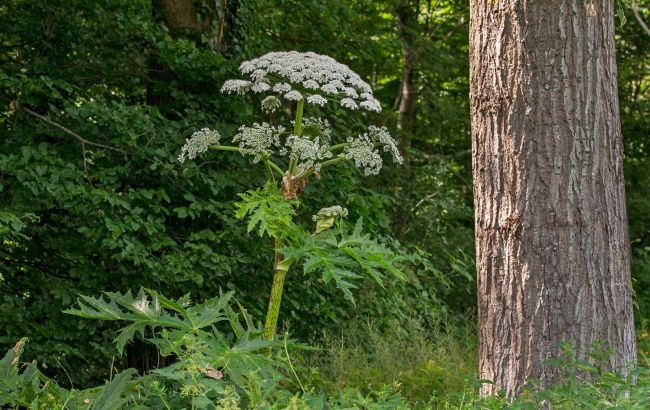 Which plants are dangerous to touch (photo: Getty Images)
Some common wildflowers and weeds can cause severe chemical burns, paralysis, and serious poisoning, which is why it is important to be able to recognize them at first glance.
Daily Express explains which plants should not be touched with bare hands is explained by RBC-Ukraine, citing the Daily Express.
Six dangerous plants
The greatest danger in summer is giant hogweed, which can grow up to five meters tall and has large white umbrella-like flower clusters. Its sap contains furanocoumarins — substances that completely strip the skin of protection against ultraviolet light. The slightest contact with its leaves under sunlight can instantly cause deep chemical burns, blisters, and scars that may last for years.
Its smaller relative, common hogweed, looks similar but grows only up to two meters. It often hides in shrubs and along roadsides. Although it is a good honey plant, its sap is also phototoxic to human and animal skin. Any interaction with these plants requires covered clothing and thick protective gloves.
If nettles only warn you of their presence with an unpleasant sting, some forest plants are true poison, especially for children. Bittersweet nightshade attracts attention with its beautiful purple flowers with yellow centers and bright red berries. However, consuming any part of this plant leads to severe gastrointestinal poisoning.
Even more dangerous is deadly nightshade (Atropa belladonna). This plant, with oval leaves and purple-green bell-shaped flowers, produces black berries that can easily be mistaken for edible blueberries.
All parts of belladonna are deadly poisonous, so if you encounter this shrub during a walk in the forest or near a body of water, you should immediately move away.
Hemlock is an extremely toxic plant that prefers moist conditions. It can be identified by characteristic reddish-purple spots on its stems and a distinct mouse-like smell. Accidental ingestion of hemlock sap causes gradual muscle paralysis, ultimately leading to death by suffocation.
Datura is another dangerous plant that spreads rapidly during hot summers. Its exotic leaves with sharp wavy edges, large white trumpet-shaped flowers, and spiky seed pods look attractive, but they contain strong toxins that cause hallucinations and severe poisoning.
This material is for informational purposes only and should not be used for medical diagnosis or self-treatment. Our goal is to provide readers with accurate information about symptoms, causes, and methods of detecting diseases. RBС-Ukraine is not responsible for any diagnoses that readers may make based on materials from the resource. We do not recommend self-treatment and advise consulting a doctor in case of any health concerns.