6 things in your kitchen silently collecting dangerous bacteria

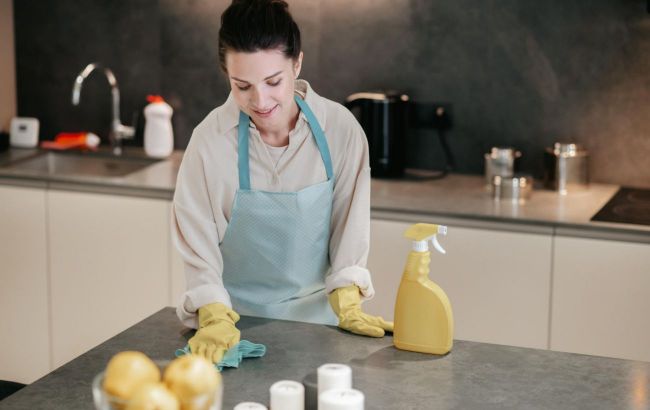 Kitchen items that need thorough cleaning identified (photo: Freepik)
Everyday kitchen items that seem safe to use can actually accumulate dangerous bacteria or lose their properties over time. Some utensils need regular cleaning or complete replacement to avoid health risks and maintain food quality, according to Better Homes & Gardens.
Cutting boards
Cutting boards are one of the most versatile kitchen tools. They are ideal for food preparation, and their stable surface makes cleaning easier.
Most cutting boards have a long service life if properly maintained. If you use a plastic cutting board, wash it in the dishwasher or by hand after each use.
If you use a wooden or bamboo board, wash it by hand with hot, soapy water.
Replace them only when there are signs of wear, such as deep grooves or an unstable surface. Cracks can trap harmful bacteria, making them impossible to fully clean.
Sponges
Because sponges come into contact with a large amount of dirt and bacteria, they become contaminated quickly. For disinfection, you can use 3/4 cup of bleach in 4 liters of water. Soak the sponge for 5 minutes and rinse thoroughly with warm water.
However, cleaning a sponge is only a temporary solution. No sponge lasts forever. They should be replaced approximately every two weeks.
Water filters
Using a water pitcher with a built-in filter is a simple and affordable way to improve drinking water quality. If you do not follow the manufacturer’s replacement instructions, the filter will no longer function properly.
Water bottles
Reusable water bottles are a worthwhile investment. They can last for years with proper care.
As a rule, water bottles should be washed daily. Pay attention to areas that are easy to miss.
Replace the bottle when it shows serious signs of wear, including external cracks or unpleasant odors.
Dish towels
Dish towels are useful for wiping surfaces, but they are also prone to bacterial growth, which can transfer to your hands during use.
Change dishcloths and towels daily to prevent the spread of germs. Wash dirty towels separately in hot water.
Plastic storage containers
Long-term reuse of any plastic container, especially one designed for single use, can be dangerous. Over time, plastic degrades, and chemicals may leach into food.
Pay attention to signs of wear after each use (such as cracks, discoloration, or unusual odors) and always discard disposable packaging after you are done using the product.