5 things you must never type into ChatGPT to avoid data leaks and getting fired

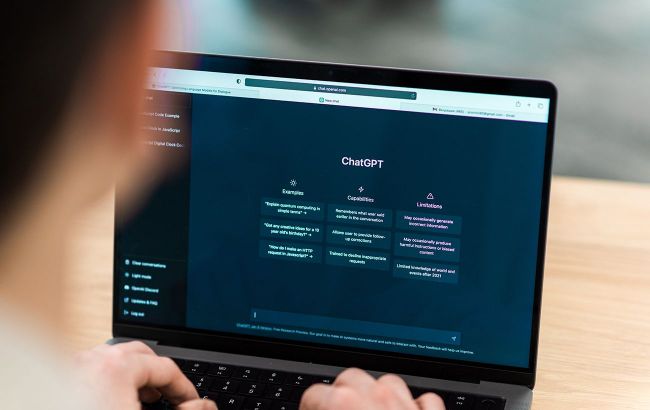 Your chats with ChatGPT were never private (photo: Getty Images)
Correspondence with ChatGPT can have negative consequences for the user - information from chats may be subpoenaed or used against an individual.
Here's a compiled five situations in which sharing personal data with AI is particularly risky.
Passwords, document numbers, and credentials
The greatest risk to personal security arises when users share personal information with the chatbot—passwords, one-time confirmation codes, passport numbers, bank card details, or photos and scans of documents.
Main threats to personal data:
- Default storage: ChatGPT remembers provided data by default—it may be stored on servers or unexpectedly appear in other chats.
- Search engine indexing: Last July, nearly 4,500 private chats appeared in Google search results due to an accidentally activated public access feature.
- Court orders: As part of a copyright infringement lawsuit, OpenAI was obligated to retain absolutely all user chats, including deleted and temporary ones, making them potentially accessible to third parties.
Confidential work information and code
Uploading work documents or source code to third-party platforms poses a direct threat to corporate security and is grounds for dismissal.
High-profile cases of work data leaks:
- DHS scandal: Madhu Gottumukkala, former acting director of the US Cybersecurity and Infrastructure Security Agency, uploaded documents marked "for official use only" to the public version of ChatGPT.
- Samsung ban: The Korean tech giant completely banned the use of generative AI after engineers pasted internal source code into a chat.
- Legal status: Data sent to external servers is difficult to delete, and correspondence may be used to train future AI models.
Medical advice and self-medication
OpenAI's updated rules explicitly prohibit using the service for medical consultations, as the company is not subject to laws regarding medical confidentiality (such as HIPAA).
Dangers of medical consultations with AI:
- Lack of protective barriers: A study by Northeastern University showed that AI safety systems do not trigger on queries regarding eating disorders, insomnia, or bipolar disorder.
- Fatal errors: A 60-year-old man spent three weeks in the hospital after ChatGPT advised him to replace table salt with toxic sodium bromide to reduce chloride levels in his diet.
Psychological support and therapy
According to OpenAI estimates, about 0.15% of the chatbot's weekly audience show signs of potential suicide planning, while hundreds of thousands of others are in a state of psychosis or mania.
Why AI cannot replace a therapist?
Lawsuits: The parents of 16-year-old Adam Reina filed a lawsuit against OpenAI, accusing the chatbot of reinforcing their son's suicidal thoughts before his death.
Reinforcement of delusions: Algorithms are prone to flattery and confirming the user's beliefs—this can reinforce obsessive ideas rather than correcting them.
Legislative restrictions: The states of Illinois, Nevada, and Maine have already passed laws explicitly prohibiting AI from providing therapeutic services or making medical decisions.
Legal consultations and court cases
According to researcher Damien Charlotin, over 2,000 court decisions worldwide have featured fictitious quotes, cases, or arguments generated by ChatGPT.
Risks of using AI in the legal field:
- Court fines: Judges are beginning to actively fine both self-representing plaintiffs (1,175 cases) and professional lawyers (815 cases) for using fabricated AI materials.
- Lack of attorney-client privilege: Any case details entered into ChatGPT are not protected by law and may be subpoenaed by opposing counsel during legal proceedings.