10 vacuuming mistakes that could destroy your machine

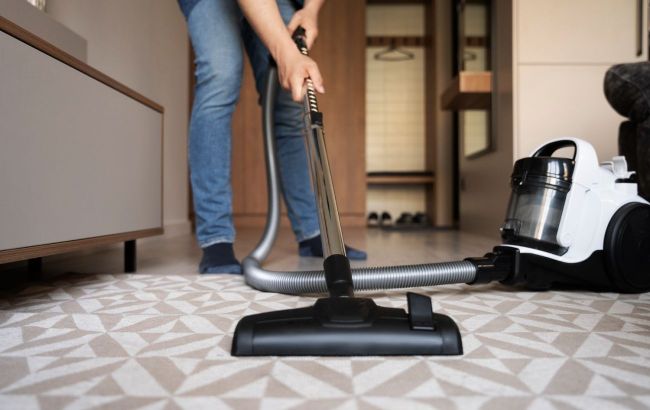 Mistakes that can cause a vacuum cleaner to break down quickly (photo: Freepik)
Even an expensive, high-quality vacuum cleaner can fail quickly, and the reason often lies in seemingly routine actions. Several common mistakes can subtly damage the appliance, according to the Good Housekeeping website.
Using the wrong attachment, or no attachment at all
The additional attachments that come with a vacuum cleaner each serve specific functions. A soft brush attachment is ideal for removing dust from hard surfaces such as shelves and baseboards, but it is not intended for upholstery or fabric.
For floors and low-pile carpets, use a straight suction brush rather than a rotating one, as the latter can scatter more dirt or damage delicate carpets.
Insufficient emptying of the dust container
A full container or a dust bag reduces the vacuum cleaner’s efficiency and can even cause overheating. Make it a habit to empty it after every use.
When the container is full, the motor has to work against greater resistance, causing it to run hotter and wear out faster.
In addition, filters clog more quickly with dust, and finer dust may be released back into the air. Dust, pet hair, and sometimes moisture can accumulate in the container, leading to unpleasant odors and even the growth of bacteria or mold.
Neglecting the filter
Vacuum cleaner filters trap fine dust and allergens, so they need to be cleaned or replaced regularly, depending on whether they are washable. A dirty filter reduces airflow and suction, and can even blow dust back into the air.
If the filter shows signs of wear, is extremely dirty, or is damaged, it’s time to replace it. Check the manual to find out how often to clean or replace it. In general, most filters need to be replaced every six months, depending on usage.
Using incorrect settings
Most vacuum cleaners allow you to adjust the height and suction power for more effective cleaning on different surfaces, so be sure to use these features.
If the vacuum is set too low, it won’t maneuver easily on thick carpets and may even damage the carpet fibers. Conversely, if you use a setting that is too high on hardwood floors, it may miss dirt and debris.
Vacuuming in only one direction
If you vacuum in only one direction, especially on carpets, you may leave behind dirt that has settled deep into the fibers. For a deeper clean, go over these areas in multiple directions.
Vacuuming before cleaning high surfaces
Start cleaning from the top and finish at the bottom. Dust and debris fall when you clean countertops, furniture, shelves, ceiling fans, and any other high surfaces that need dusting.
If you vacuum the floor first, you will likely have to do it twice.
Relying solely on a robot vacuum
Robot vacuums are convenient for light cleaning during the week, but they are not a full replacement for a traditional vacuum cleaner. They cannot handle areas such as stairs and may not remove heavy dirt.
If you want to extend the time between more thorough cleanings, you can use a robot vacuum to collect dust, pet hair, lint, and surface dirt on floors during the week, and then do a deep clean on the weekend.
Large debris
A standard household vacuum cleaner should not be used to pick up solid objects such as coins. These items can get stuck in the hoses or even damage the appliance’s motor.
Therefore, always check the floor for large objects before you start cleaning.
Ignoring brush blockages
The vacuum brush requires regular maintenance, especially if you have pets or family members with long hair, as hair and threads can wrap around the brush, restricting its movement and placing additional strain on the motor.
Most vacuum cleaners have a brush roll that can be easily removed for more thorough cleaning.
Rough handling of the cord
Pulling the power cord out of the socket can damage both the plug and the cord rewind mechanism. Always unplug the cord carefully, and hold the cord in your hand when pressing the button to rewind it onto the reel.
Common mistakes:
- pulling the cord over sharp edges or furniture
- sharp bends, knots, or twisting
- rewinding the cord without releasing tension
- using a damaged cord
- running the cord under doors or heavy objects