10 of world's most stylish restaurants, from Kyiv to Dubai

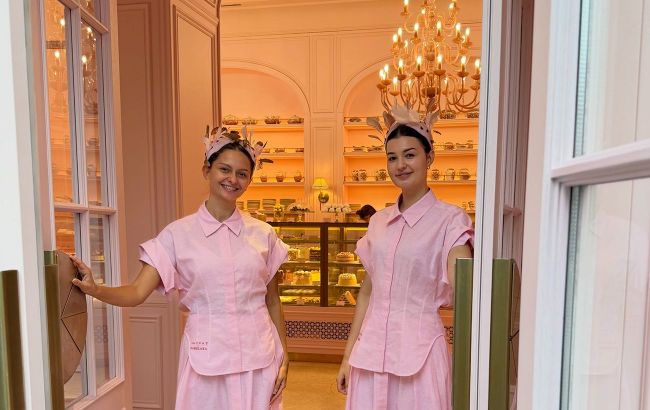 Explore the world's most beautiful restaurants, now including Namelaka from Kyiv (photo: facebook.com/namelaka.kyiv)
Some restaurants and cafes are places people visit to eat. Others are destinations worth changing your travel itinerary for before even looking at the menu. At these establishments, the interior becomes part of the journey, just as much as the cuisine, the city's architecture, and the view from the window.
Kyiv's Namelaka patisserie now belongs to this category. In 2026, it won the European Cafe category at the prestigious international Restaurant & Bar Design Awards. Ukrainian studio NEMOV created its design, turning pink from a decorative detail into the defining material and mood of the entire space.
But Namelaka is far from the only place in the world worth a special stop.
RBC-Ukraine takes a look at ten establishments that demonstrate the many different possibilities of contemporary restaurant design.
Namelaka, Kyiv
The new Namelaka location near the National Academic Operetta Theater feels like someone transported a childhood memory of a patisserie into a sophisticated adult world.
Almost nothing here feels incidental. The space features five varieties of natural pink marble, with the color coming not from paint but directly from the materials themselves. The architecture follows a rhythm of arches reminiscent of 19th-century Parisian interiors.
The design encourages guests to discover the space gradually. First, they enter the main hall, where desserts are displayed almost like museum exhibits.
Next comes a monumental marble counter, a library of Ukrainian fairy tales, a mirrored room, and a fireplace lounge featuring works by Ukrainian artist Natalia Brichuk.
Even the restrooms have a fairytale quality, with wallpaper in shades of pink, green, and burgundy creating an intimate world of their own.
As a result, Namelaka does more than simply look beautiful. It tells a story of childhood, family, Ukrainian memories, and a love of sweets—all expressed through the language of contemporary architecture.
Nobu One Za'abeel, Dubai
In Dubai, it is hard to impress anyone with skyscrapers, rooftop pools, or restaurants with panoramic windows. But Nobu One Za'abeel uses the city's sheer scale as an integral part of its design.
The restaurant is located in The Link, a vast horizontal structure connecting the two towers of the One Za'abeel complex. It offers views of Dubai, but the interior doesn't try to compete with the city.
Instead, it works with the building's geometry. High ceilings, clean lines, sculptural lighting, and geometric details create a sense of movement.
The space gradually leads guests from the entrance to the main dining room and private rooms. This shows that luxury doesn't necessarily mean an abundance of gold. Here, it lies in the scale, materials, and feeling of being high above the city.
Le Fou, Vienna
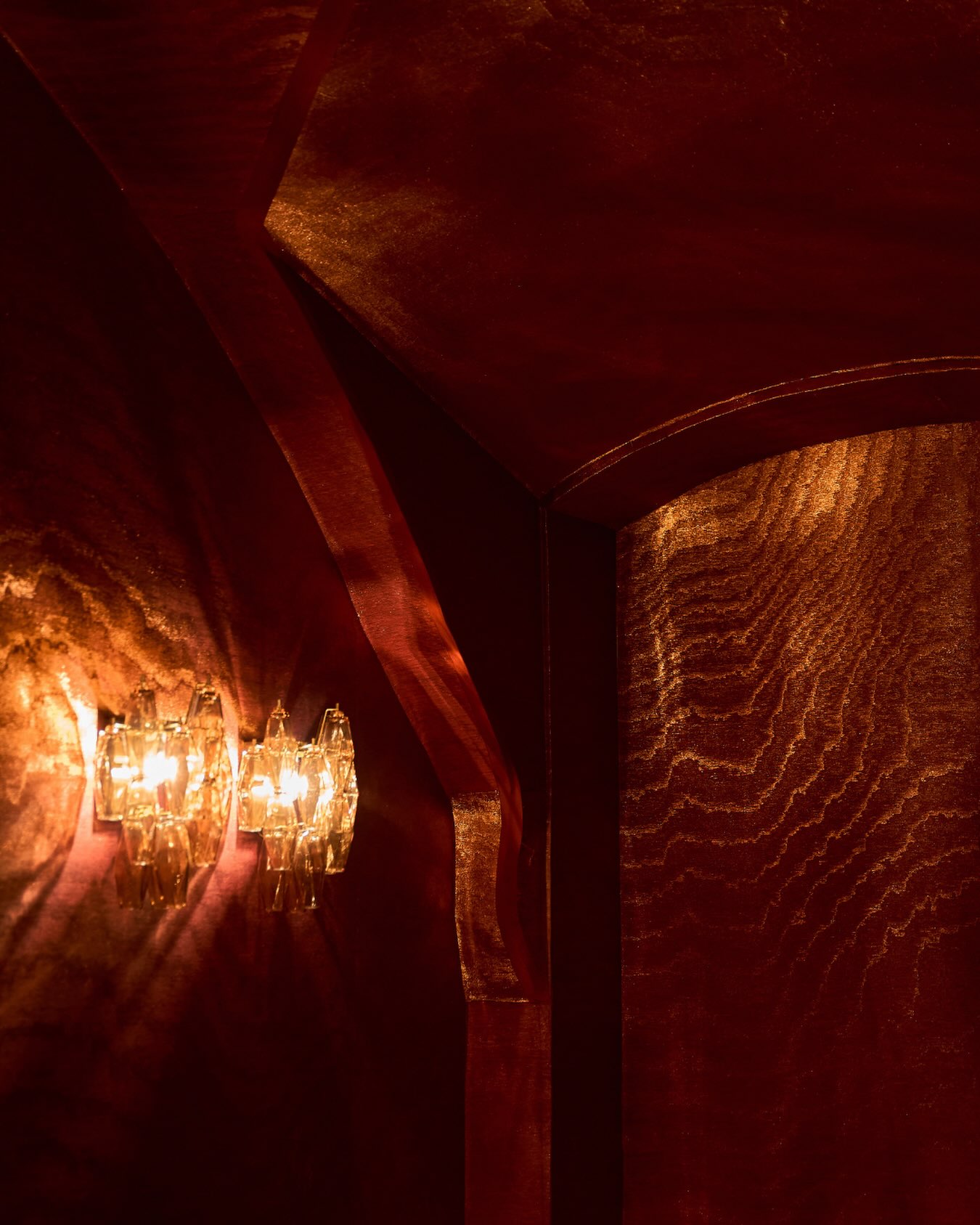
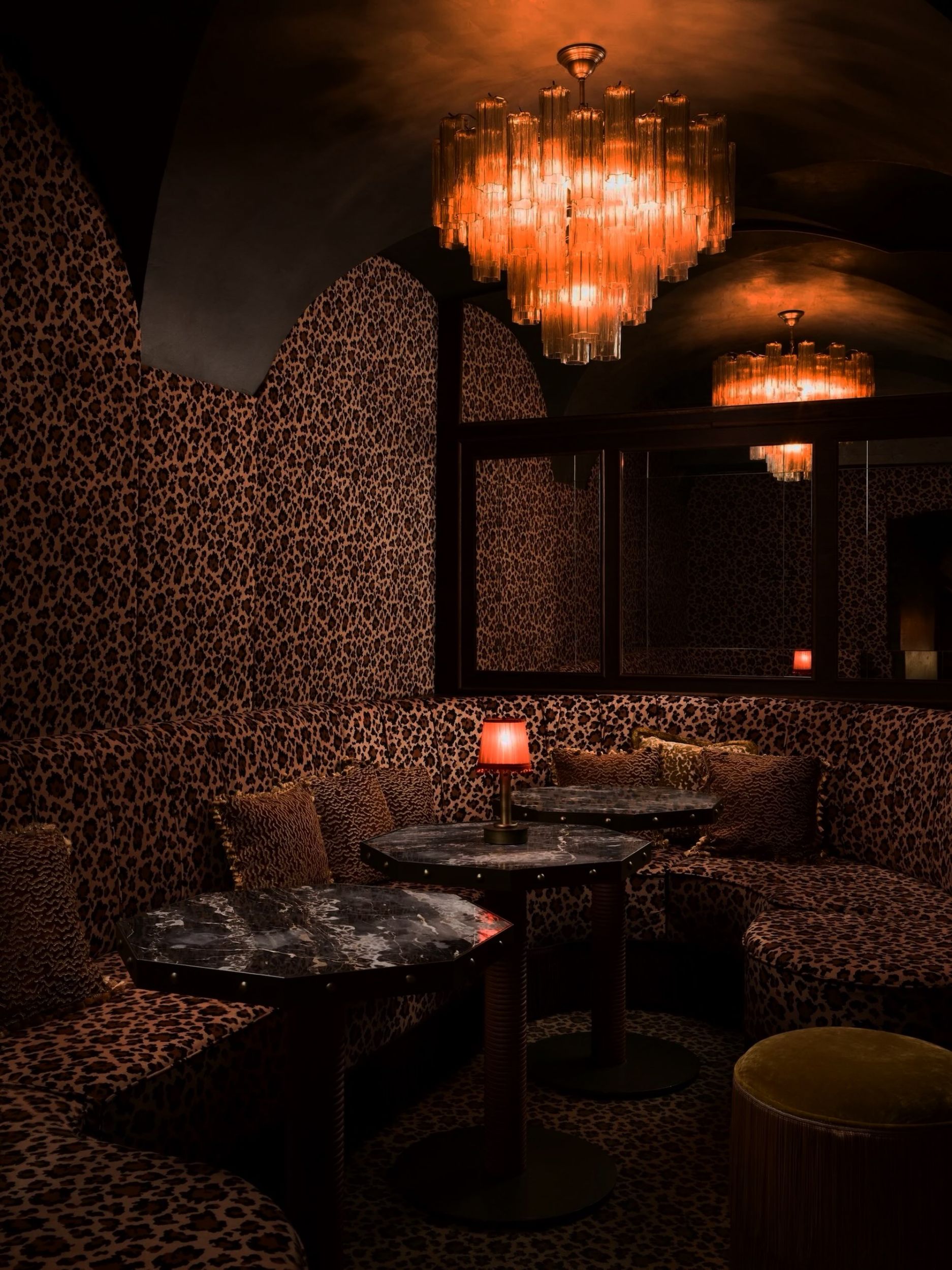
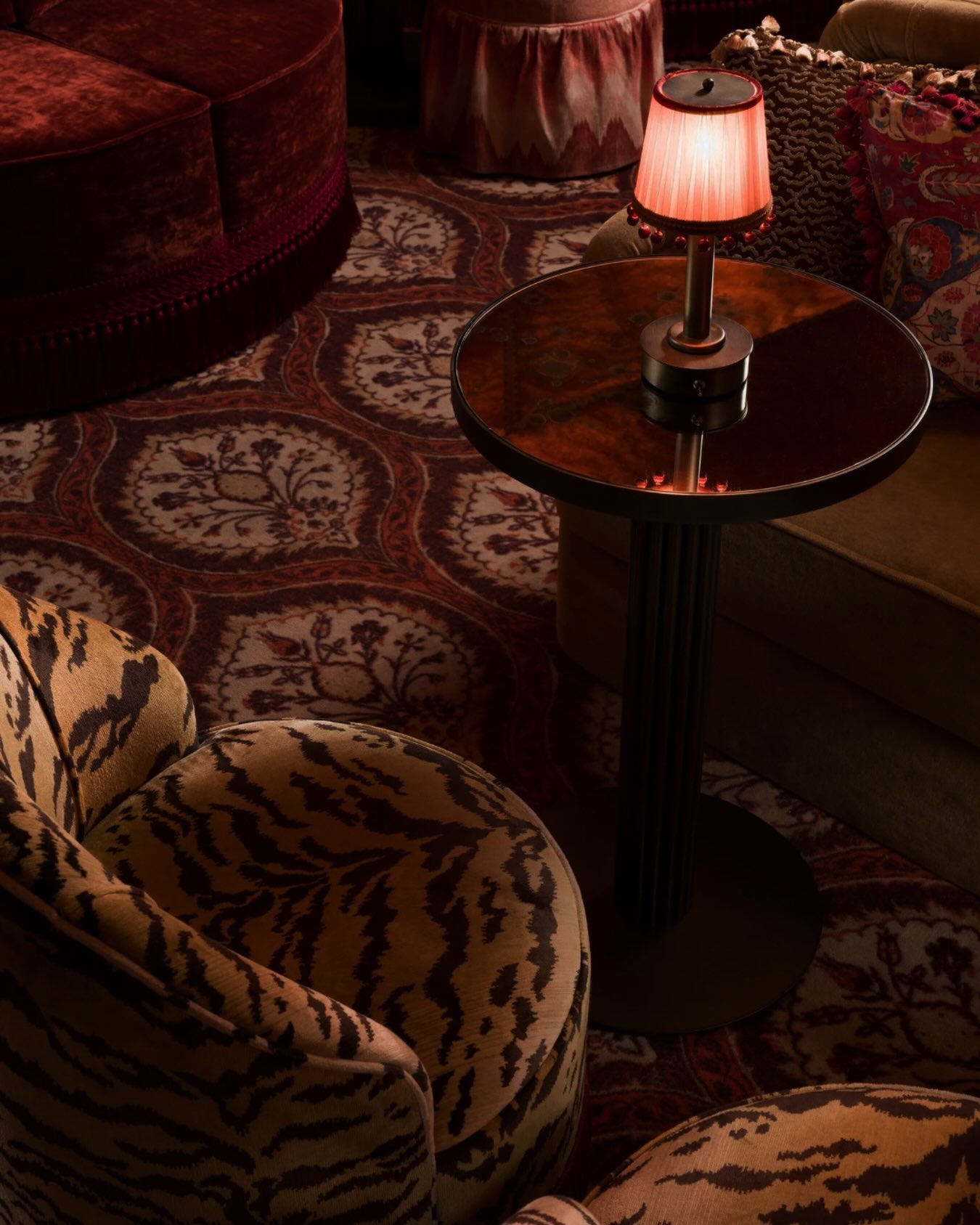
In Vienna, Le Fou plays an entirely different game. Its interior is a sequence of rooms, with the atmosphere growing more intimate, darker, and slightly more theatrical with each transition.
For the interior, founder Alexander Schramm and designer Theresa Obermoser used rusty terracotta tones, velvet, silk, natural stone, and patinated metal to create the feel of an old but impeccably maintained salon.
Deeper inside, the colors grow richer, the lighting softens, and a separate private room featuring leopard print adds a touch of boldness.
Le Fou is also interesting because it does not try to make the same striking impression from the first minute to the last. Its design is all about discovery, literally, one room at a time.
Monti, Gstaad, Switzerland
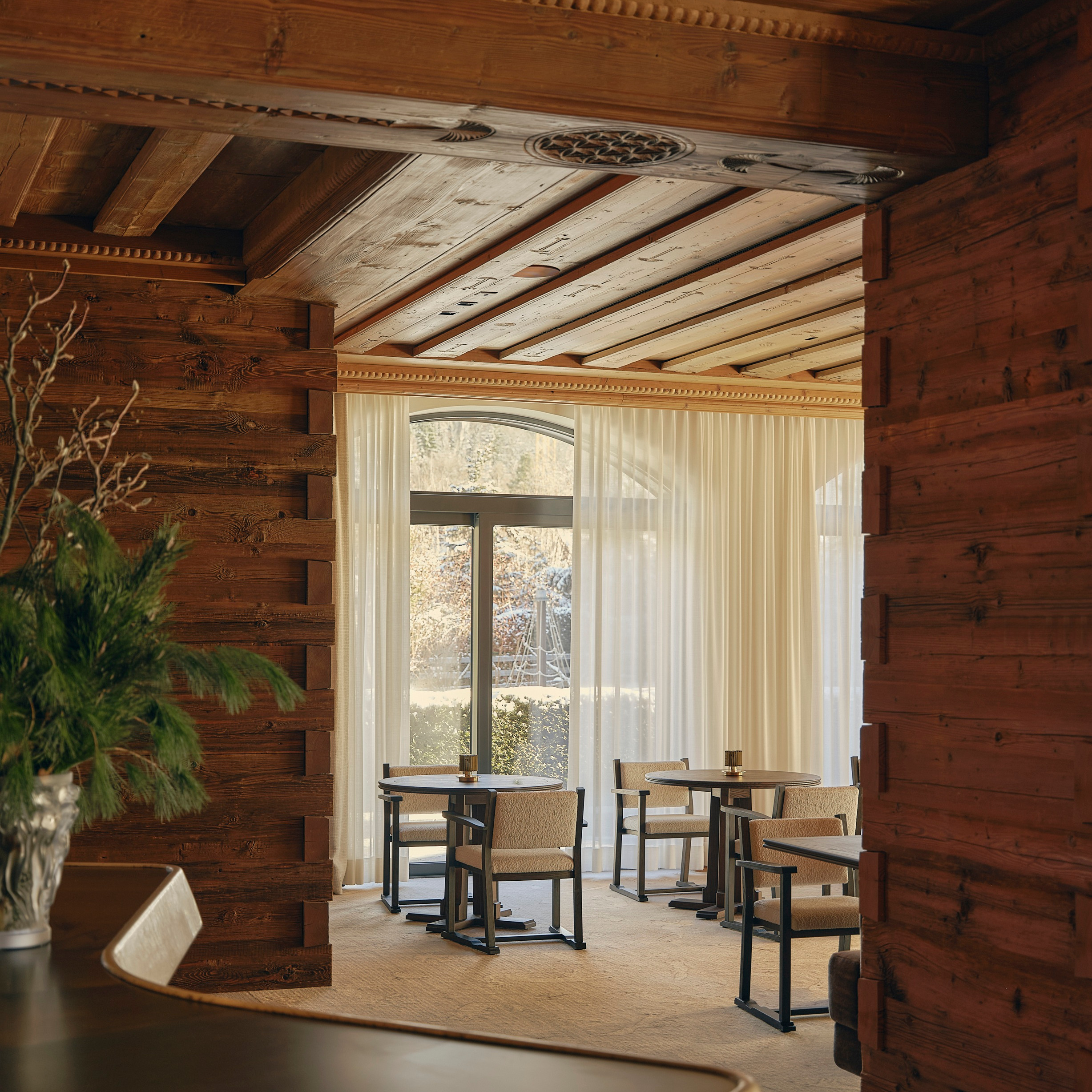
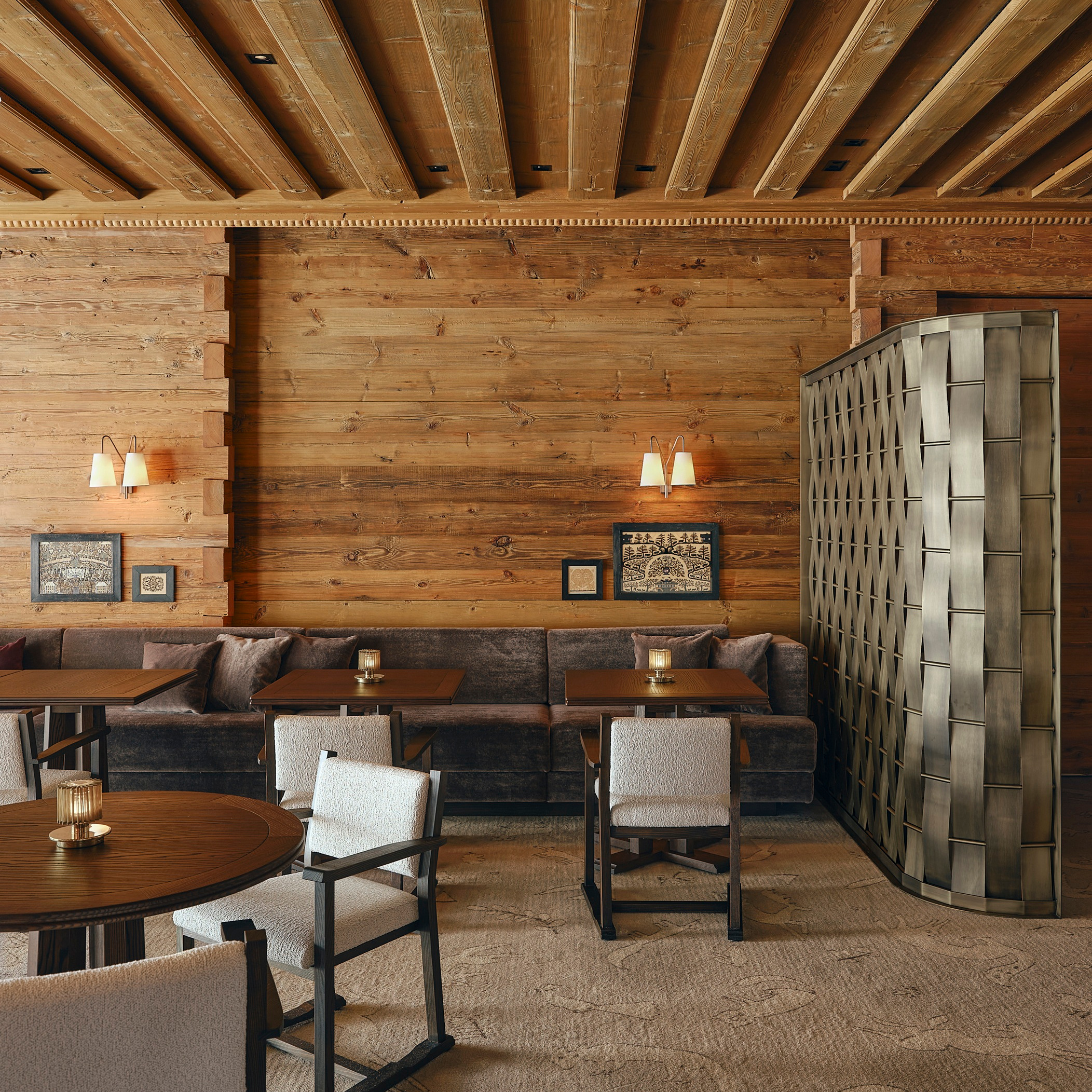
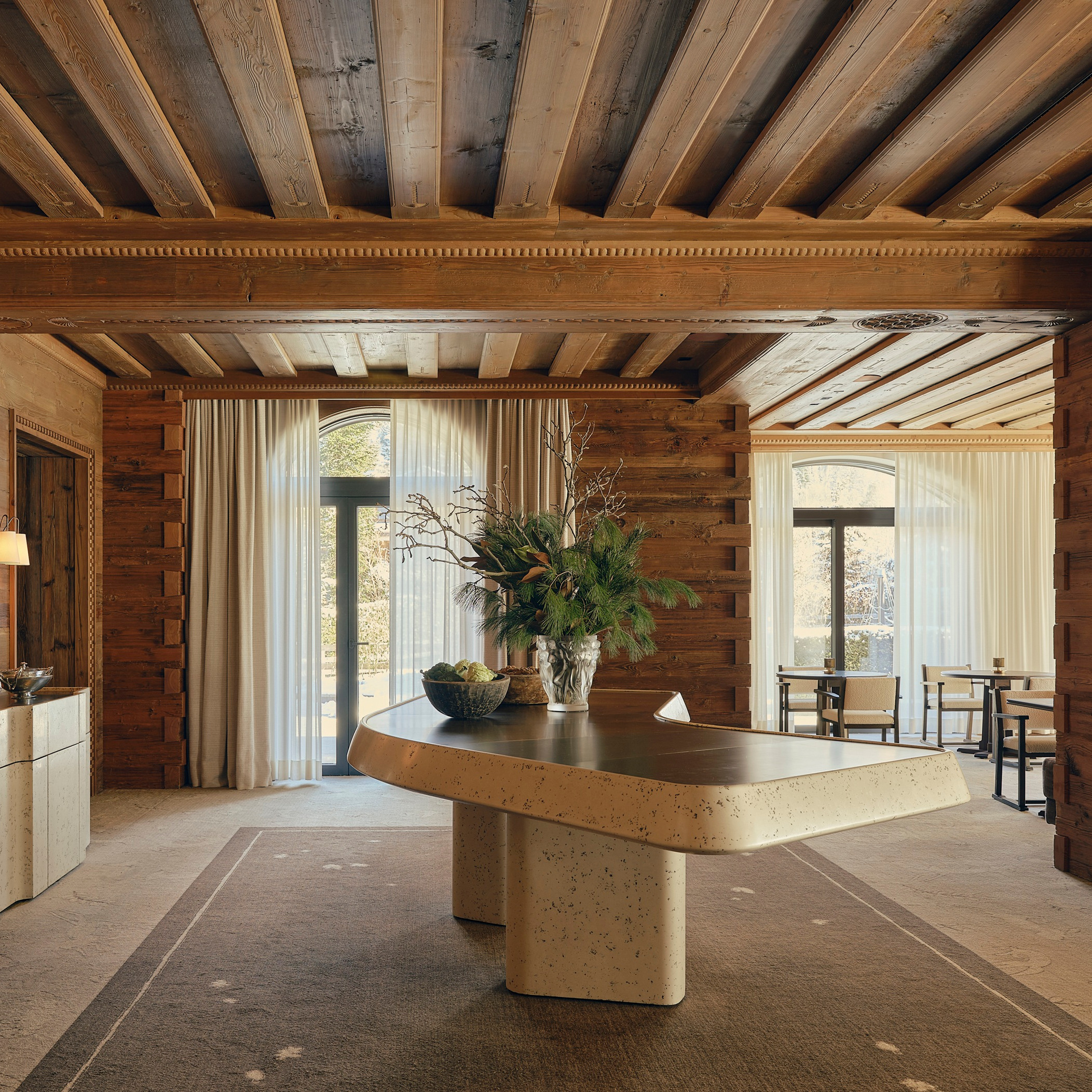
In the Swiss resort town of Gstaad, it would be easy to design a restaurant in a conventional Alpine style, with wood, fur, a fireplace, and plenty of obvious chalet-inspired touches. But Monti has taken a different approach.
Its interior uses materials traditionally associated with the mountains but presents them in a modern, understated way. Architect Jakob Sprenger and creative director Antonia Crespi combine exposed 200-year-old wooden beams, textured rugs, and plush armchairs to create warmth, while woven bronze screens add lightness to the space.
The connection to the setting works particularly well: the Alps stretch out beyond the windows, but the interior makes no attempt to recreate the mountains literally. That is Monti's elegance: the restaurant reflects its location without turning local character into mere decoration.
Akira Back, Hong Kong
Hong Kong's Akira Back is in The Henderson, one of the city's most striking modern skyscrapers in the central district, designed by Zaha Hadid Architects.
The restaurant's interior deliberately contrasts with the building's architecture. Instead of sharp lines, it features rounded forms, wood, and soft lighting. A sculptural ceiling sets the space's rhythm, while small, intimate seating areas make the vast restaurant feel more personal.
Some details reflect not the architecture but the chef's personal story, including artwork dedicated to his mother. The restaurant shows how an upscale establishment can still feel welcoming and human—not through decoration, but through its scale and the details guests want to examine up close.
Hana no Kumo, Hong Kong
The same The Henderson building is home to Hana no Kumo, a much more intimate restaurant with just 24 seats. Its name translates as "flower cloud," an image that perfectly captures the space. Wood, stone, Japanese paper, soft lighting, and details reminiscent of cherry blossom petals create an almost meditative atmosphere.
The design doesn't try to outshine the food. The restaurant is built around the Japanese kappou tradition, where the chef prepares dishes in front of guests, making the counter part of the performance.
Even the decorative light fixture at the entrance, shaped like a translucent ice cube, isn't merely an isolated ornament; it's the opening scene of the restaurant's story.
Escā Playa, Egypt
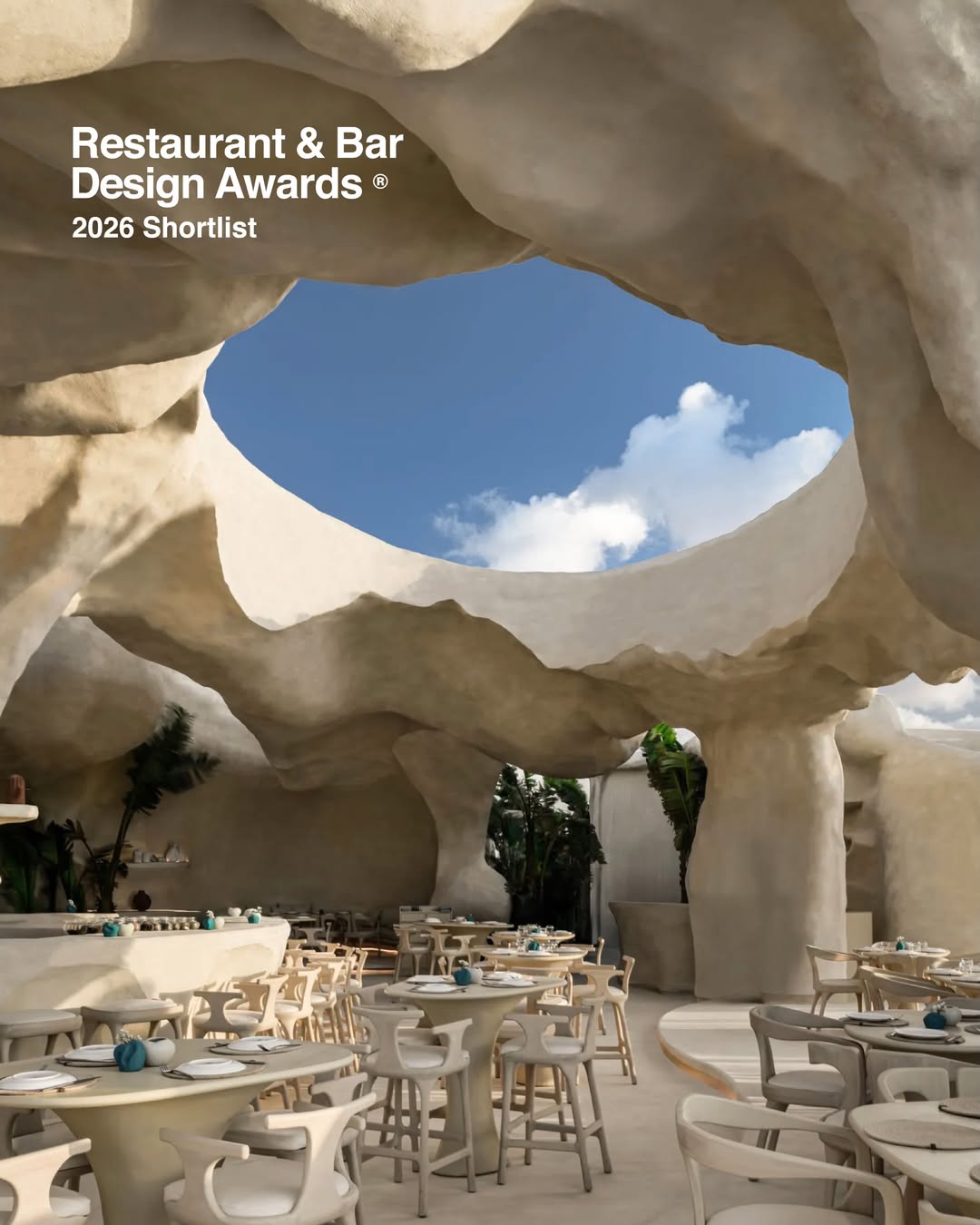
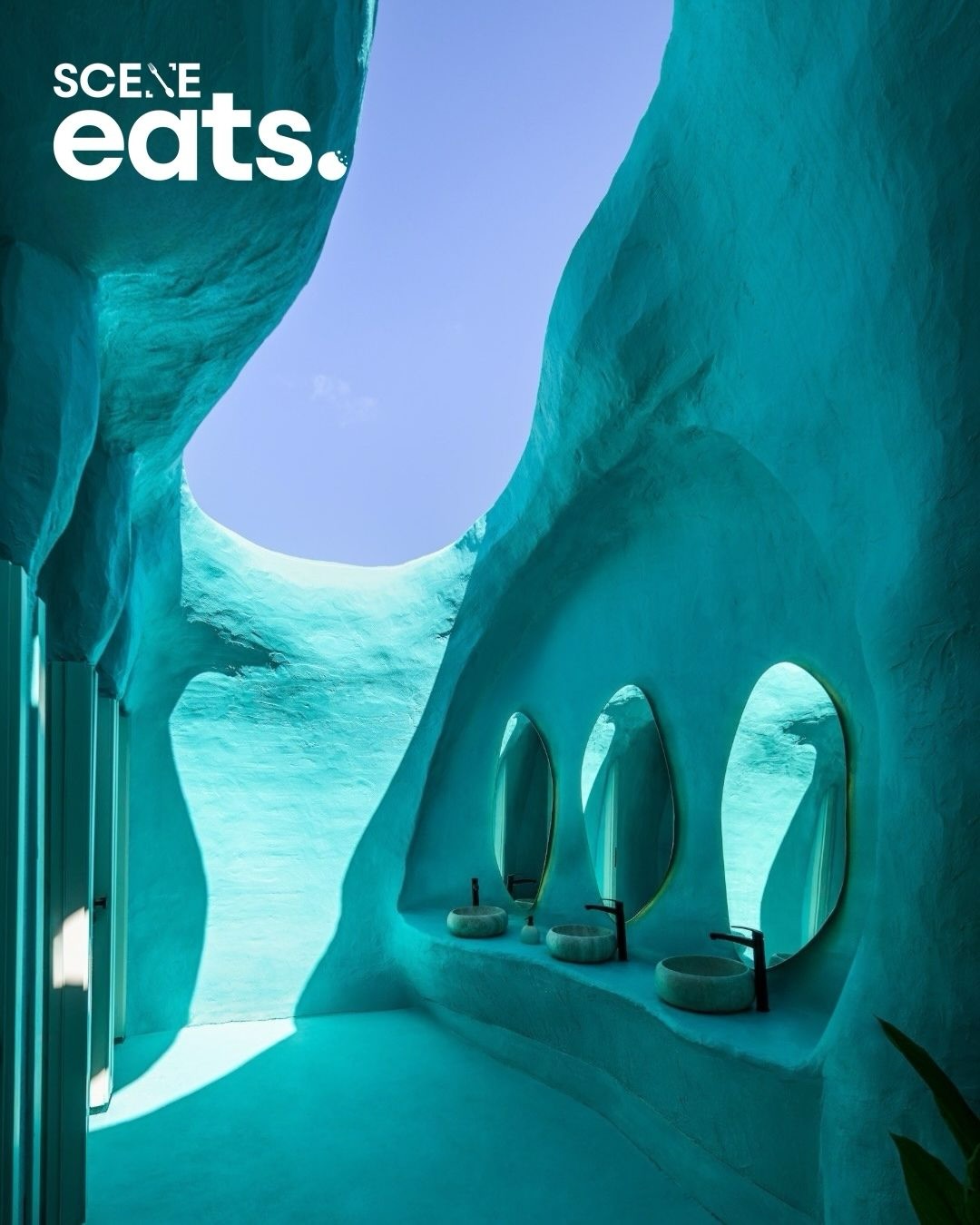
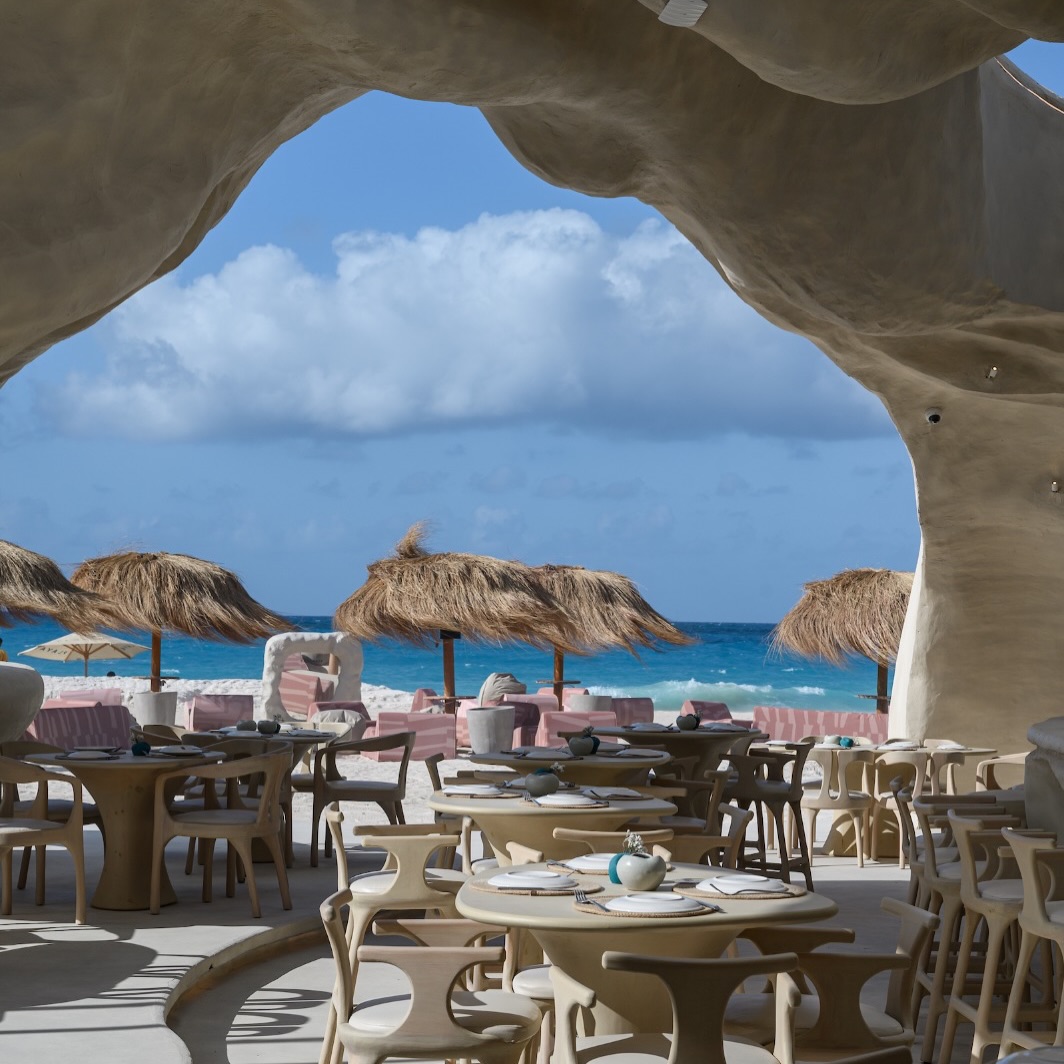
On the Mediterranean coast near Ras El Hekma, Escā Playa stands out as a place that is hard to mistake for a traditional beach restaurant.
Its architecture resembles a natural cliff or a piece of pale stone shaped by the wind. Smooth, almost organic forms suggest the building wasn't simply placed on the coast but grew out of it.
This is where one of the key trends in contemporary restaurant design becomes clear: the best interior isn't always one that can be recreated anywhere. It should make sense in its specific location. The sea, pale stone, sunlight, and rounded forms come together to create a single, unified landscape.
Finlandia Bistro, Helsinki
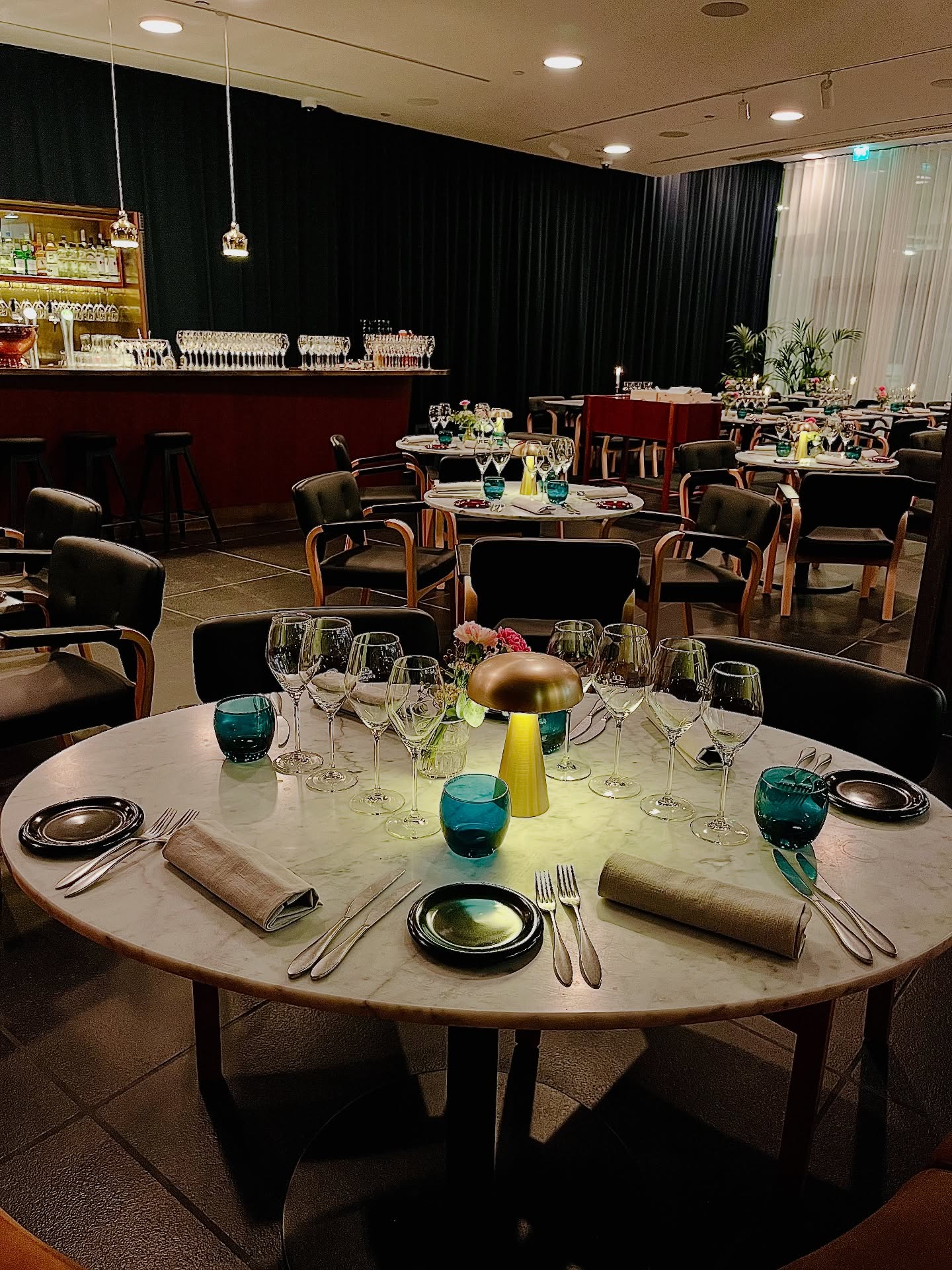
In Helsinki, the restaurant is tucked inside Finlandia Hall, one of the most important examples of modernist architecture by Finnish architect Alvar Aalto. The designers faced a more challenging task than simply creating a beautiful restaurant: they had to avoid compromising the existing architecture.
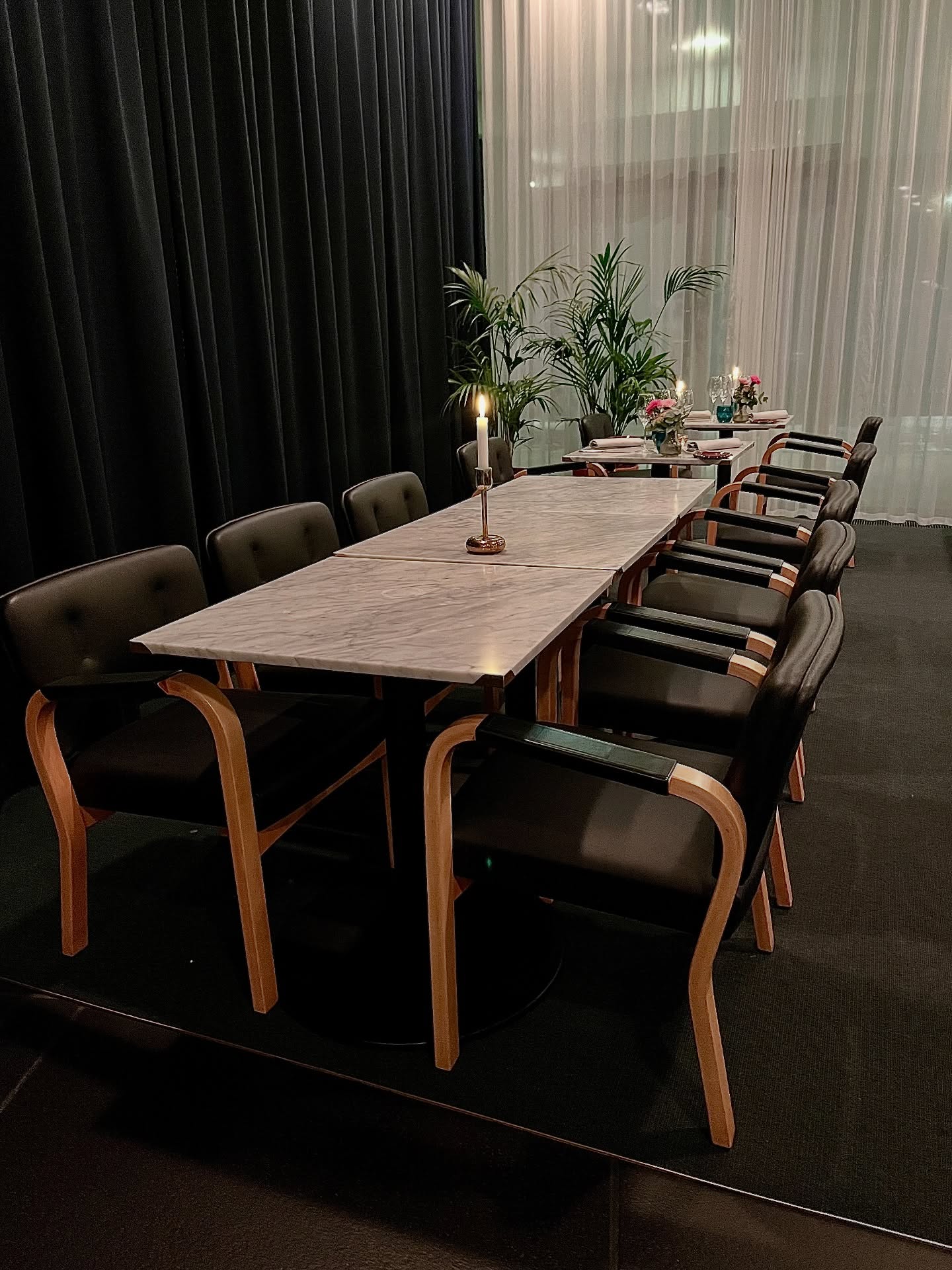
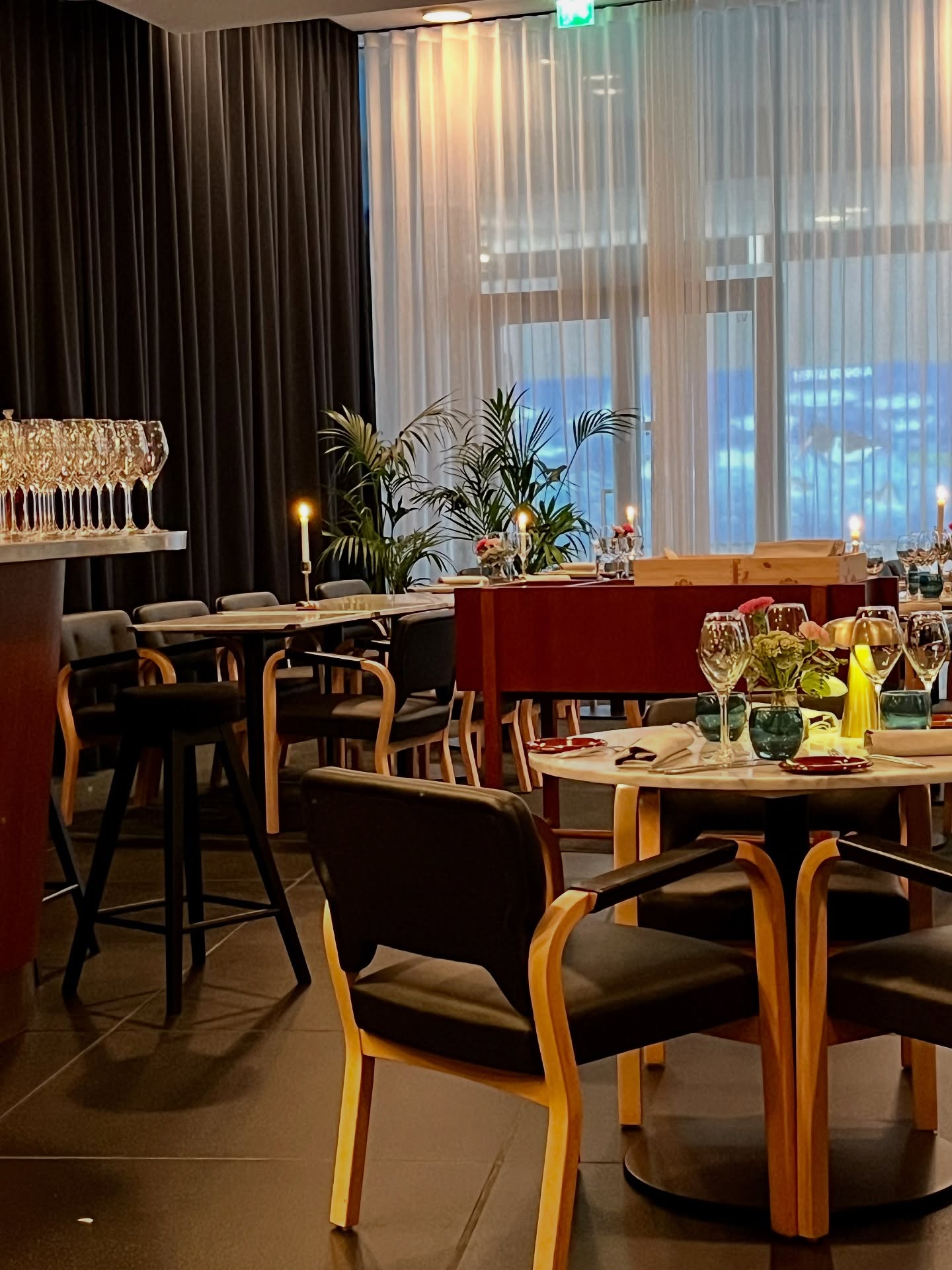
Finlandia Bistro therefore retains Aalto's original furniture, signature materials, and architectural features, while introducing contemporary pieces, textiles, lighting, and a large bar.
The combination of old and new is particularly interesting. Birch-and-black-leather chairs, marble tables, original light fixtures, and a modern curved bar counter do not feel like museum exhibits.
The space remains lively and welcoming. Guests can spend an ordinary evening there while sitting inside a piece of Finland's architectural history.
Carbone, London
London's Carbone offers an entirely different approach to luxury. This restaurant makes no attempt to hide its love of theatricality. Rich, dark colors, glossy surfaces, vintage details, and old-world urban glamour create an atmosphere where an ordinary dinner can easily become an event.
Designer Ken Fulk drew inspiration from classic mid-20th-century New York restaurants and reimagined them for modern London. What matters here is not just the individual statement pieces. Everything, from the furniture to the lighting, contributes to an exaggerated, almost cinematic sense of luxury.
This isn't for anyone seeking minimalism. And that is precisely why it is so memorable.
Amura by Ángel León, Cape Town
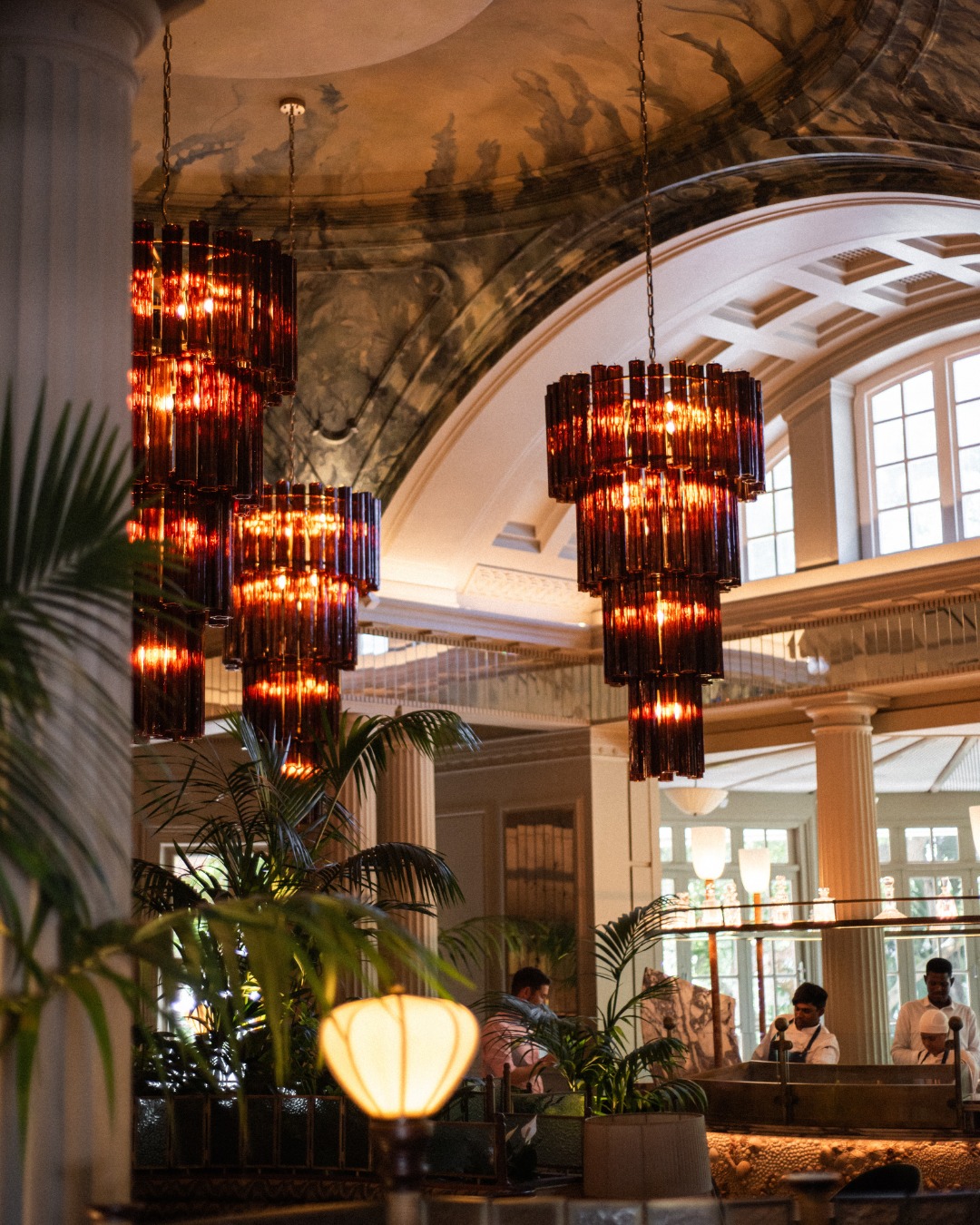
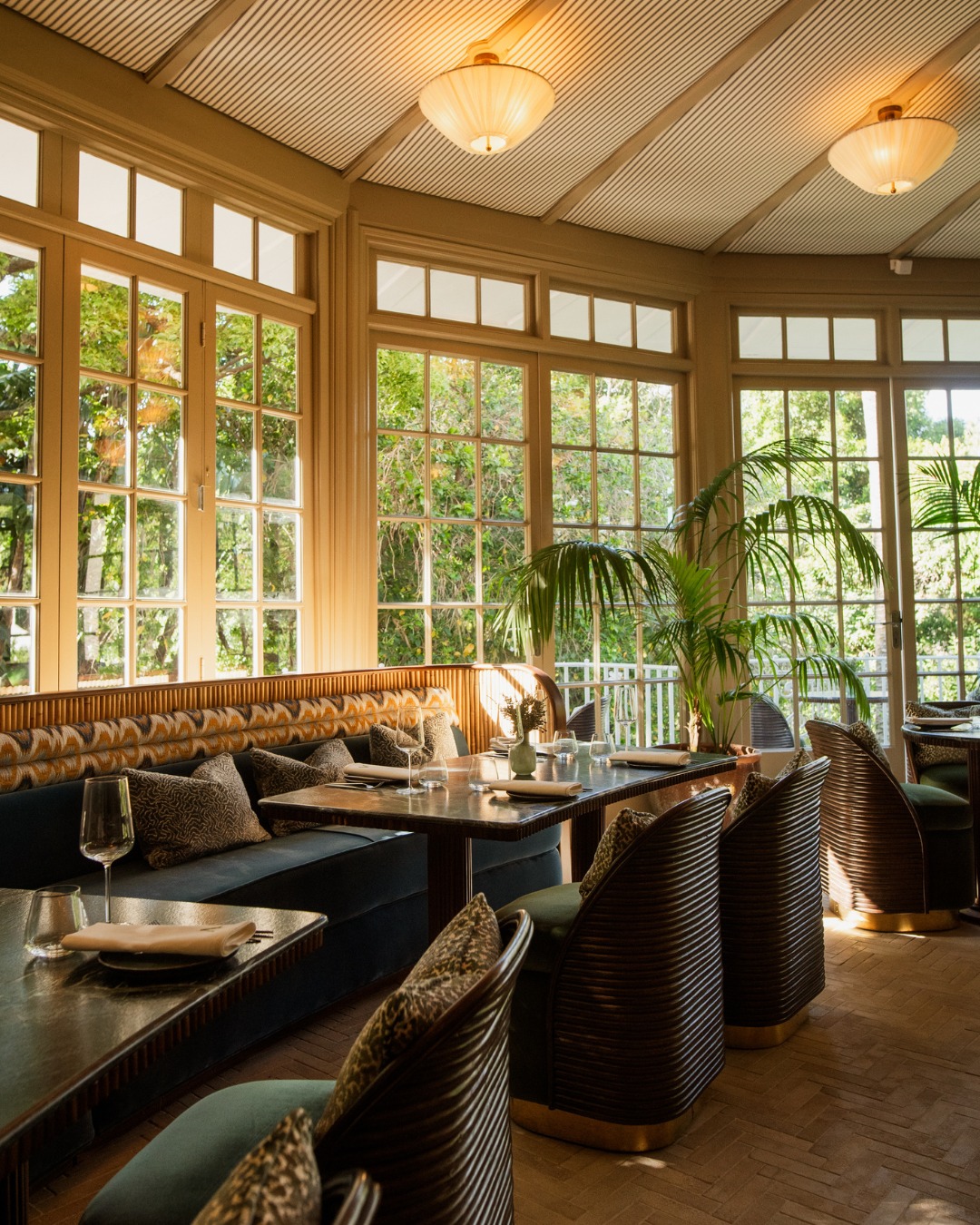
In Cape Town, Amura by Ángel León draws on something you can't bring and recreate in another city: the ocean landscape. The restaurant's design is closely connected to nature and the sea, making the space feel less like an enclosed interior and more like part of a vast landscape.
This is an important principle of contemporary restaurant architecture: sometimes the best design choice is not to add more decoration, but to leave room for what is already there.
While Ukraine's Namelaka shows how cultural memory can be transformed into an interior, Amura takes a different approach, letting the landscape itself become the source of inspiration.
Restaurants as destinations on travel itinerary
All these establishments are very different. But they share one thing: design is no longer seen as mere decoration.
People come here for more than just food. They follow a particular route through the space, noticing the materials, lighting, furniture, window views, and details that tell a story about the city or its culture. That is why such places are increasingly becoming part of tourist itineraries, alongside museums, galleries, and famous buildings.
Namelaka in Kyiv fits naturally into this list. Its win matters not only because a Ukrainian establishment has received an international award.
It shows that contemporary Ukrainian design can engage with the world not by copying other people's trends, but by drawing on its own memories, materials, art, and cultural imagery.