Zucchini vs. cucumbers: Which summer vegetable offers more health benefits?

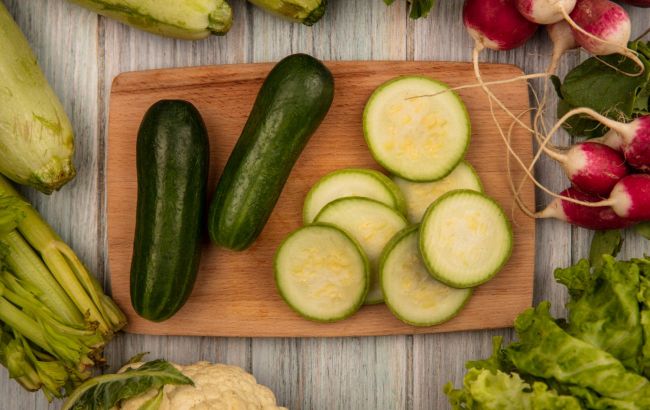 Which is healthier: Cucumbers or zucchini? (Photo: Magnific)
It's hard to imagine a summer table without zucchini and cucumbers. Although these vegetables share many similarities, they differ in nutritional value and offer different health benefits, according to Verywell Health.
Cucumbers are better for hydration
Zucchini can hydrate you almost as well as cucumbers, but cucumbers have a slight edge thanks to their higher water content.
Approximate water content:
- Cucumber: 95–96% water
- Zucchini: 93–95% water
Dietitian Sherri Gray says cucumbers are comparable to watermelon when it comes to hydration. Since cucumbers are usually eaten raw, they retain all of their water content, while cooking zucchini can reduce it.
Zucchini contains more fiber
Both vegetables are rich in fiber, which helps regulate blood sugar levels and prevent constipation.
Zucchini contains slightly more fiber than cucumbers. A 100-gram serving of unpeeled zucchini provides 0.8 grams of fiber, while the same amount of unpeeled cucumber contains 0.5 grams.
Most of the fiber is found in the skin, so it's best not to peel either vegetable.
Vitamin C and vitamin K
In addition to fiber, zucchini contains more potassium, magnesium, folate, and vitamins A, C, and E.
Zucchini generally offers greater nutritional value, with more vitamins and minerals than cucumbers. However, cucumbers are the better choice for vitamin K. Most adults need 90 to 120 micrograms of vitamin K per day to support healthy blood clotting.
Eating a variety of vegetables is the best way to ensure your body gets a wide range of nutrients.
Zucchini is more versatile in the kitchen
Cucumbers are typically eaten raw or pickled, while zucchini is most often cooked. When it comes to versatility, zucchini comes out on top. Its mild, neutral flavor makes it suitable for a wide range of dishes.
Young zucchini can be eaten raw in salads, but it's more commonly sautéed, roasted, grilled, baked, or added to soups, stews, pasta, and casseroles.
Zucchini is also stuffed, preserved, and even used in baking. Thanks to its soft texture, it's a popular ingredient in muffins, cakes, and quick breads.
Food safety matters
Proper preparation and storage are important for food safety. Always wash cucumbers and zucchini before eating or cooking them—even if you plan to peel them.
Rinse vegetables under running water to remove dirt and bacteria. Experts do not recommend using soap or commercial fruit and vegetable washes, as residue from these products can remain on the food.
This material is for informational purposes only and should not be used for medical diagnosis or self-treatment. Our goal is to provide readers with accurate information about symptoms, causes, and methods of detecting diseases. RBС-Ukraine is not responsible for any diagnoses that readers may make based on materials from the resource. We do not recommend self-treatment and advise consulting a doctor in case of any health concerns.