Trump says Iran deal could be 'better than victory' and hints at timeline

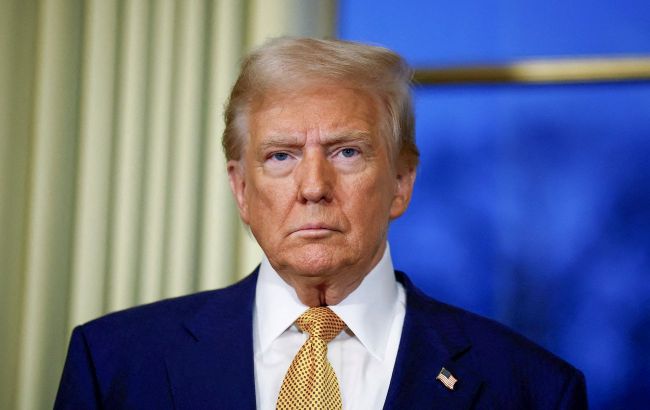 Donald Trump (photo: Getty Images)
US President Donald Trump believes he will be able to reach an agreement with Iran to extend the ceasefire and restore operations in the Strait of Hormuz as early as next week, according to his interview with ABC News.
According to Trump, a small glitch occurred on June 1 because Iran was unhappy with Israel's attacks on Lebanon. However, this situation was resolved.
"There was a little glitch today, but I turned that one around very quickly, as you probably noticed earlier. So, I spoke with Hezbollah, and I said no shooting, and I talked to Bibi [Israeli Prime Minister Benjamin Netanyahu], and said, no shooting, and they both stopped shooting each other," the US president said.
He also stated that a peace agreement with Iran could be even better than a military victory.
"It's not a simple thing. You're talking about a real large country -- them -- very large country making a deal. Tremendous hostility, really. So it's not an easy thing for them. It's actually not easy from our standpoint either. But we're getting what we need to get," the White House chief noted.
Regarding the timeline for finalising a memorandum of understanding (framework agreement) to restore operations in the Strait, Trump said they're talking about next week.
According to him, he has not yet agreed to this deal because he still needs to score a few more points.
Agreement between the US and Iran
At this stage, the US and Iran are working on a framework agreement that addresses the opening of the Strait of Hormuz and several other issues.
If the parties conclude this agreement, they will then have 60 days to finalise a comprehensive agreement with Iran to end the war. And it is in these negotiations that one of the main issues – Tehran's nuclear program – is to be resolved.
According to Reuters, Iran insists on concluding an interim agreement with the US because it would allow easing economic pressure and stabilising the situation in the country without touching the most sensitive issues of the nuclear program.