Trump administration creates new AI task force amid growing fears over technology's risks

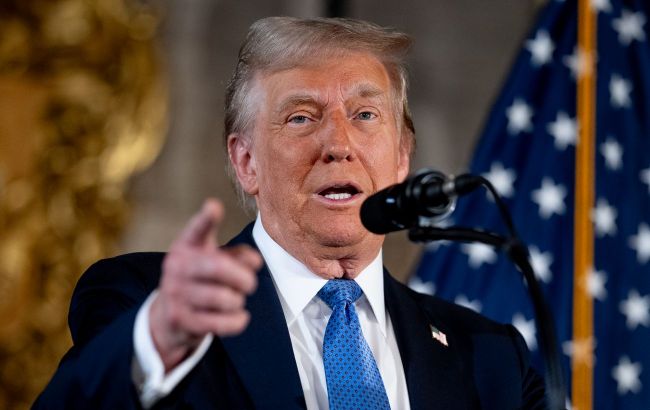 Photo: Donald Trump (Getty Images)
US Director of National Intelligence Jay Clayton said a new White House task force will prepare a report assessing the risks associated with artificial intelligence. It will also determine the responsibility of the US federal government for the technology, according to The Wall Street Journal.
In comments to the publication, Jay Clayton confirmed that he will lead the task force. One source told the WSJ that he would effectively become the Trump administration’s new AI czar.
“The president asked that a group be put together that was going to ensure exactly what he said... that “we stay the leaders in superintelligence, and that the interests of the American people are put first,” Clayton said.
The media outlet reports that the task force has been named the “Super Intelligence Force” and will have 120 days to prepare its report.
The task force’s charter states that it will “develop plans to respond to threats to our society arising from systemic integration, while preventing excessive regulation and regulatory capture that could stifle innovation and competition.”
It will also analyze existing government warnings and systematic reports of breaches, hacks, jailbreaks and other problems, as well as “recommend ways to enhance the government’s response capabilities within existing authorities.”
The task force was created amid growing public concern over AI. The concerns are not limited to the technology’s potential impact on jobs, but also include its ability to carry out sophisticated hacking attacks and be used as a weapon — or even destroy civilization, as some researchers in the field fear.
What preceded it
Recently, US President Donald Trump called it a hoax that artificial intelligence could take over the world. He said the country already has mechanisms to regulate the technology and cited the fact that the United States has a president like himself as an example.
Trump’s remarks came after executives at some of the largest AI companies called for slowing the pace of technological development because of the risks of the situation getting out of control.