This common kettle mistake can cause damage - Check if you do it

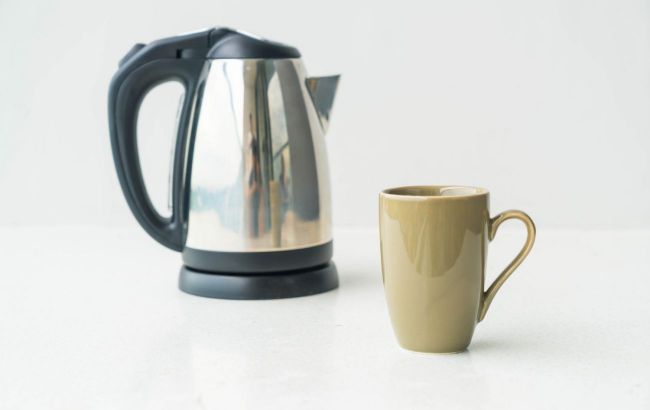 Why you shouldn’t leave water in the kettle (photo: Freepik)
Many people leave water in the kettle after boiling without thinking about the consequences. This habit can affect not only the taste of your drinks but also the appliance's safety and lifespan.
RBC-Ukraine also reports on how to clean your kettle thoroughly from limescale.
Risk of microorganisms
If water stays in the kettle for a long time (especially overnight or longer), it can become a breeding ground for bacteria. Stagnant water can allow bacteria, such as E. coli, to multiply, especially if the kettle isn’t perfectly clean.
Moisture and heat inside the kettle promote microorganism growth.
It’s better to use fresh water before each boiling.
Limescale formation
Water contains minerals like calcium and magnesium that settle when heated. Leaving water in the kettle accelerates limescale buildup on the walls and heating element.
As a result, this can:
- reduce heating efficiency
- increase electricity consumption
- shorten the kettle’s lifespan
Taste and smell of water
Stagnant water changes its properties. It may acquire a metallic or off taste, making beverages less enjoyable.
Optimal habits:
- pour out leftover water after use
- occasionally rinse and dry the kettle
How to clean a kettle from limescale
Citric acid (best option)
- 1 liter of water
- 1–2 teaspoons of citric acid (5–10 g)
Pour water into the kettle and add citric acid. Bring to a boil and leave for 15–30 minutes. Pour out the solution and boil clean water 1–2 times.
This method works for all types of kettles (metal, plastic, glass).
Vinegar
- 500 ml vinegar
- 500 ml water
Boil the solution and leave for 20–30 minutes.
Lemon
Slice a lemon and fill the kettle with water. Boil and rinse thoroughly.