Six triggers of heart attacks in young adults - Check them before it's too late

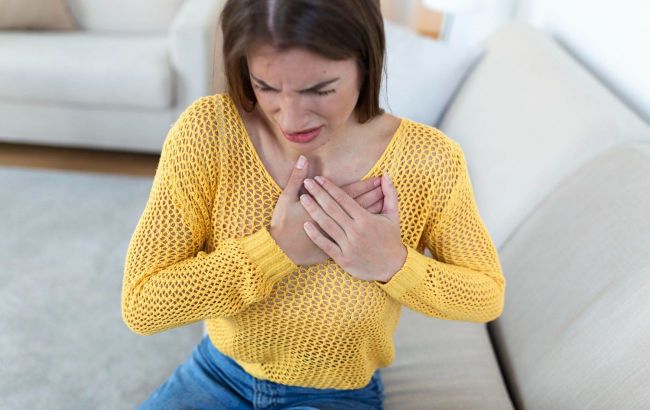 Why heart attacks can occur in young people (photo: Freepik)
Even young adults who appear healthy can suddenly end up in the hospital with a heart attack. Why do seemingly healthy people in their 20s and 30s experience sudden heart problems? Health has named unexpected risk factors everyone should know about.
Causes of heart attacks in people in their 20s and 30s
A heart attack in young adults occurs when the heart’s blood supply is disrupted, usually due to a sudden narrowing or blockage of a coronary artery by a blood clot. At a young age, this is typically not related to “age-related” wear and tear of blood vessels but to other factors.
The U.S. Centers for Disease Control and Prevention (CDC) reports that possible causes may include:
-
High blood pressure and cholesterol
-
Obesity
-
Smoking
-
Diabetes
-
Unhealthy lifestyle (poor diet, lack of exercise)
-
Certain genetic conditions
In young adults, a heart attack often results from a combination of factors rather than a single cause, including smoking, obesity, stress, genetics, hormonal influences, or medications.
Symptoms of a heart attack
Symptoms can include:
-
Chest discomfort or pain
-
Shortness of breath
-
Cold sweat
-
Nausea
-
Discomfort in the arms, back, neck, jaw, or stomach
Women are more likely to experience symptoms not typically associated with heart attacks, such as shortness of breath, nausea or vomiting, back or jaw pain.
How to reduce the risk of cardiovascular disease
It is important to monitor your blood pressure, cholesterol, and triglyceride levels, and treat chronic conditions such as diabetes that increase blood sugar.
Maintain a healthy weight and eat a balanced diet rich in fresh fruits, vegetables, and whole grains.
Limit intake of saturated fats, high-sodium foods, and added sugars.
Stay physically active, reduce alcohol consumption, and avoid smoking.
Manage stress through mindfulness, meditation, or other calming practices.
This material is for informational purposes only and should not be used for medical diagnosis or self-treatment. Our goal is to provide readers with accurate information about symptoms, causes, and methods of detecting diseases. RBС-Ukraine is not responsible for any diagnoses that readers may make based on materials from the resource. We do not recommend self-treatment and advise consulting a doctor in case of any health concerns.