Salmon or mackerel: Which one is richer in omega-3 and nutrients

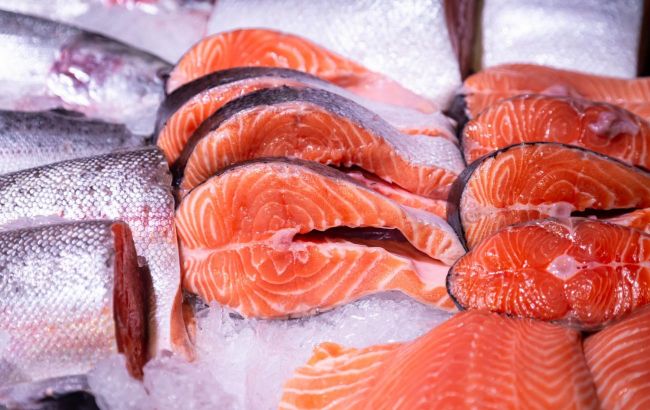 Where is more omega-3: mackerel or salmon (photo: Freepik)
Mackerel and salmon are both fatty sea fish that are key dietary sources of omega-3 fatty acids, but their composition differs. Unexpectedly, one of them contains significantly more omega-3 than the other, according to Verywell Health.
Why fish is beneficial
Both salmon and mackerel are excellent sources of omega-3 fatty acids, which support the heart, brain, immune system, and blood vessels.
The American Heart Association recommends eating two servings of these fish, about 85 g each, per week.
In general, 85 g of mackerel contains:
- Protein — 20 g;
- fat — 15 g;
- Saturated fat — 3.5 g;
- Monounsaturated fat — 6 g;
- Calcium — 12.8 mg;
- Iron — 1.3 mg;
- Magnesium — 82.4 mg;
- Phosphorus — 236 mg;
- Potassium — 341 mg;
Meanwhile, salmon provides the body with:
- Protein — 21.6 g;
- Fat — 6.9 g;
- Saturated fat — 1 g;
- Monounsaturated fat — 2.3 g;
- Calcium — 12.8 mg;
- Iron — 0.9 mg;
- Magnesium — 31.4 mg;
- Phosphorus — 218 mg;
- Potassium — 534 mg;
The body does not produce enough omega-3 fatty acids on its own, so they must be obtained from food.
The amount and type of omega-3 fatty acids in fish may depend on how they are farmed. In many cases, farmed fish have a higher omega-3 content than wild fish.
Which fish contains more omega-3
There are three main types of omega-3 fatty acids:
- Alpha-linolenic acid (ALA) — mainly found in plant oils such as flaxseed, rapeseed, and soybean oil;
- Eicosapentaenoic acid (EPA) — mainly found in fish and seafood;
- Docosahexaenoic acid (DHA) — mainly found in fish and seafood;
Total omega-3 content in fish:
- Mackerel — 2.5–5.0 g per 100 g;
- salmon — 1.5–2.5 g per 100 g;
Benefits of eating mackerel and salmon
Nutrients in fatty fish may provide the following health benefits:
- Support joint and bone health;
- Improve blood flow to the brain;
- Provide neuroprotective effects;
- Help control blood pressure;
- Support fetal and infant nervous system development;
- Prevent blood clot formation;
- Reduce inflammation;
- Lower the risk of certain chronic diseases;
- Support eye health.
Additionally, people with fish or seafood allergies should be careful, as even small amounts can cause reactions such as rash, swelling, or difficulty breathing.
Fish also contains purines, which can increase uric acid levels. Therefore, people with gout or frequent flare-ups should limit fatty fish, especially mackerel.
Mackerel and salmon spoil quickly. Improper storage can lead to histamine poisoning, which may cause flushing, headache, and nausea.
This material is for informational purposes only and should not be used for medical diagnosis or self-treatment. Our goal is to provide readers with accurate information about symptoms, causes, and methods of detecting diseases. RBС-Ukraine is not responsible for any diagnoses that readers may make based on materials from the resource. We do not recommend self-treatment and advise consulting a doctor in case of any health concerns.