Russia's economic decline: Russian Railways cuts investments for third year in row

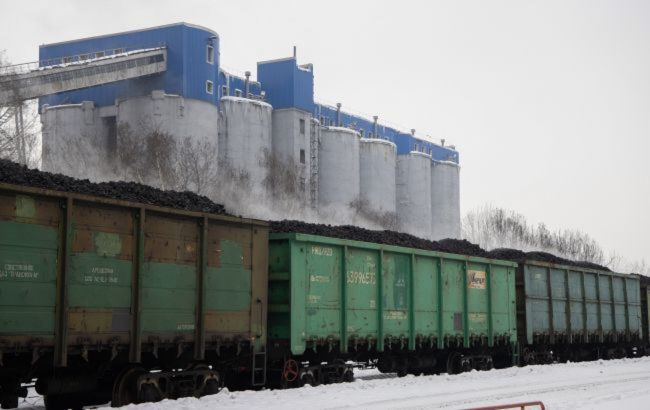 Photo: falling investment levels point to a systemic crisis in transport infrastructure (Getty Images)
Russian Railways has cut investments for the third consecutive year. In particular, the investment program for 2026 has been reduced by nearly one-fifth, signaling an acknowledgment of managerial failure, according to the Foreign Intelligence Service of Ukraine.
Intelligence officials stressed that, against the backdrop of chronic stagnation in Russia’s transport system, further funding cuts will only accelerate its degradation. Instead of development and modernization, most resources are now being channeled into what they described as rudimentary maintenance of worn-out assets and minimal transport safety provision.
They highlighted a particularly critical situation with four projects intended to increase capacity on approaches to Baltic ports. Based on current funding levels, implementation in 2026 has effectively collapsed, leaving strategic routes constrained and depriving the economy of export opportunities.
The Foreign Intelligence Service of Ukraine noted that investment has been declining for the third consecutive year, pointing to a systemic crisis in transport infrastructure. As a result, key projects are not being delivered, contractors are left without work, and the railway network continues to deteriorate.
"This is not merely a sectoral problem; it reflects the overall degradation of Russia’s economy, which is unable to sustain even basic investment programs," the publication said.
An additional signal of weakness was the decision to delay by three years the start of construction of the so-called Arctic railway corridor (the Northern Latitudinal Railway), a project valued at over 800 billion rubles. According to intelligence assessments, funding sources remain undefined, rendering the project’s prospects uncertain.
Against this backdrop, plans by the Russian government to "revive airships" were described as an attempt to create the illusion of technological progress. While a concept through 2035 labels cargo and passenger airships as a "promising technology," intelligence officials argued that, amid systemic funding shortages and failed infrastructure projects, such statements only underscore the chaotic and ineffective nature of transport policy.
In summary, intelligence officials concluded that the market signals are clear: investment is shrinking, projects are collapsing, and strategic plans are turning into fantasies.