Russia's ammonium nitrate production plunges as Ukraine's deep strikes take toll

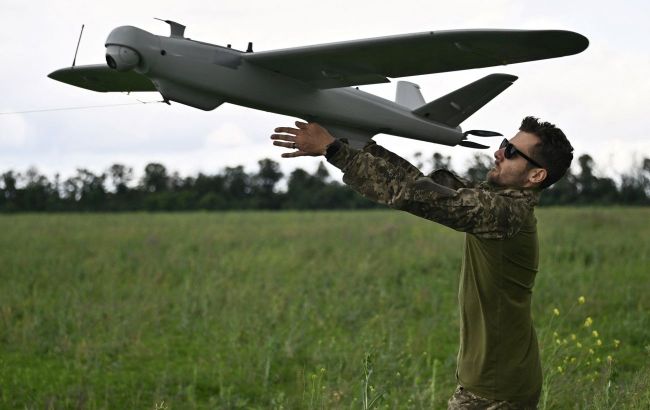 Photo: A Ukrainian soldier launches a drone (Getty Images)
Russia has received another signal of problems in its wartime economy. After the fuel crisis, official statistics have now recorded a decline in ammonium nitrate production, according to the Center for Countering Disinformation.
Ammonium nitrate is a dual-use product needed by both the agricultural sector and the military-industrial complex.
According to Russia's Federal State Statistics Service (Rosstat), its production in Russia fell by 9% year over year. In May alone, output dropped 14% compared with the same month last year, marking the worst result since the beginning of the year.
The Center for Countering Disinformation links the decline to Ukraine's long-range strikes on Russian industrial facilities. Russian officials, meanwhile, attribute the slowdown to unscheduled maintenance.
Most recently, the Azot chemical plant in Russia's Tula region came under attack. It is one of Russia's largest producers of chemical products used by the country's military-industrial complex.
"The decline in production in Russia's chemical industry is further evidence of the effectiveness of Ukraine's long-range strikes. Although Russian propagandists try to pretend that Ukrainian drones are not causing significant damage, even official statistics show the exact opposite," the Center for Countering Disinformation concluded.
Earlier, The Economist noted that Ukraine's long-range strikes on Russia are affecting its economy and military production more than previously believed.
The media estimated that Ukraine carried out 658 strikes in 2025 alone against targets located more than 100 kilometers (62 miles) from the border, while output at Russian oil refineries fell by 15% year over year in the spring.