Russia prepares to mobilize 600,000 people: What the Kremlin is planning

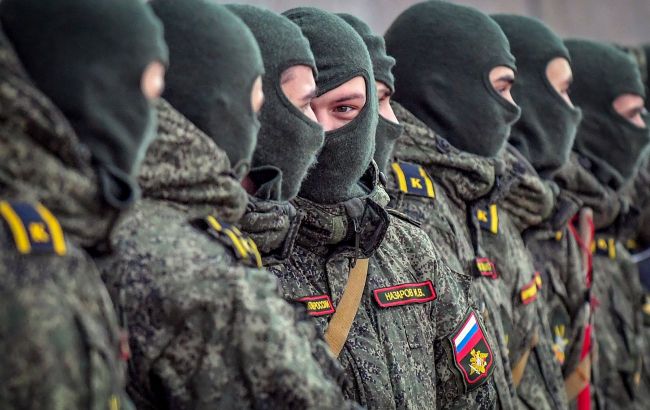 Photo: Mobilization in Russia (Getty Images)
Russia is preparing a new wave of mobilization that could involve up to 600,000 people in 2026-2027. Ukraine’s Defense Intelligence (HUR) reports that legislative changes are being prepared, control over military registration is being tightened, and forced recruitment mechanisms are being expanded, according to the president's website.
Russia is preparing new mobilization
Russia is considering an additional wave of mobilization in 2026-2027. According to Ukrainian intelligence, the Russian leadership plans to recruit 300,000 people this year and another 300,000 next year.
The Russian General Staff has already prepared a mobilization plan involving up to 600,000 people in total. The main focus is on replenishing formations and military units fighting against Ukraine, as well as units that are in the process of being formed.
Losses are rising, while contract recruitment is slowing
One of the reasons for preparing a new mobilization, according to Ukrainian intelligence, is the significant losses suffered by the Russian army and the slowdown in contract recruitment.
From January through July 2026, Russia’s personnel losses amounted to about 240,000 people. At least 140,000 of them were irrecoverable losses. During the same period, fewer than 232,000 people were recruited into the Russian contingent under contract.
Recruitment problems are being recorded in several Russian regions at once. In the Kurgan region, monthly recruitment targets have been met at only 57-69% since the beginning of the year, while in the Volgograd region, the number of potential contract recruits has fallen by 40% compared with 2025.
Russia expands forced recruitment measures
As part of preparations for a new mobilization, Russia is changing its legislation and tightening control over military registration. Mechanisms for additionally recruiting prisoners are also being created, and new measures to pressure potential military personnel are being developed.
The list of convicts who can be sent for military service is being expanded. This includes people with outstanding or unexpunged convictions under a number of serious articles of the Russian Criminal Code.
The possibility of extending mobilization and contract service to certain categories of women serving sentences in Russian prisons and penal camps is also being considered.
Law enforcement agencies are also planning to establish quotas for sending employees to mobilization service.
Training for mobilized personnel could last from 15 to 60 days. Their training at military ranges in Belarus has not been ruled out.
Restrictions for Russians
Russia is already using electronic mobilization orders. An expansion of restrictive measures is being prepared, including bans on leaving the country, obtaining loans, conducting real estate transactions, cancellation of driver's licenses, and blocking funds in bank accounts.
Businesses are increasing the number of employees responsible for mobilization work and military registration. As of the end of July 2026, more than 2,500 job vacancies for such positions had been posted on job-search websites.
According to Ukrainian intelligence, the Russian leader is most likely to make a decision on a new mobilization after the Russian State Duma elections, scheduled for September 18-20.
The Russian authorities are facing a shortage of manpower for the army, so new recruitment methods are being used to replenish military units. Students are being targeted with offers allegedly for service in units associated with drones.