Russia considering ban on foreign phone calls - CCD

 The Kremlin is preparing to block international calls (Photo: Getty Images)
Russia is preparing new restrictions in the communications sphere that may affect both private conversations and citizens’ access to foreign services, according to a post by the Center for Countering Disinformation on Telegram.
Kremlin increases control over communications
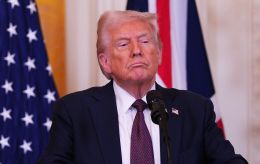
At a meeting of the Human Rights Council, Russian leader Vladimir Putin announced plans to block telephone calls from countries that Moscow considers unfriendly.
According to him, such steps are allegedly needed for the digital protection of citizens from scammers, a topic that Russian media have been actively discussing in recent weeks.
However, the main outcome of such decisions is the further informational isolation of the population.
The Kremlin is consistently restricting any channels through which Russians can receive alternative information or maintain contact with the outside world.
New blocks and pressure on the internet
In recent days, under the pretext of security risks, WhatsApp, FaceTime, Snapchat, and the gaming platform Roblox - popular among teenagers and children - have stopped working in Russia.
At the same time, the authorities are reducing access to services that allow users to bypass censorship and are massively shutting down mobile internet in various regions.
Goal is a fully controlled information space
Such actions fit into the strategy of creating a so-called sovereign internet, where the state controls all communication channels and sources of information.
This allows the Kremlin to shape a closed media environment and limit Russians’ access to any independent information about what is happening inside and outside the country.
Russian propaganda outlets are once again spreading false claims about allegedly establishing full control over Kupyansk, accompanied by fabricated reports about the elimination of Ukrainian sabotage groups on the city’s outskirts.
France is witnessing a significant increase in Russian disinformation operations: investigators have identified more than two hundred fake media platforms, with over 140 of them imitating the design of popular French outlets and spreading distorted, pro-Kremlin narratives under the guise of legitimate reporting.